
Published March 4, 2026
How to Sell Your House: Complete Seller's Guide


Selling your house is one of the most significant financial transactions you will ever undertake, requiring careful planning, market knowledge, and strategic execution. A successful sale involves far more than simply placing a sign in the yard; it requires a systematic approach to prepare the property, accurately gauge market conditions, and negotiate effectively with buyers. By following a comprehensive methodology, you can maximize your home's equity, minimize the time it spends on the market, and reduce the overall stress of the transaction.
At the Rob Visnjak Real Estate Group, we have built a reputation for guiding homeowners across the Fraser Valley through this complex process with clarity and confidence. We understand that every home and seller situation is unique, which is why a personalized, data-driven approach is essential for achieving top dollar. From the initial consultation to the final signature at the closing table, having a proven roadmap ensures that no detail is overlooked and every opportunity to enhance your property's value is leveraged.
This comprehensive guide breaks down the entire home-selling journey into actionable steps. Whether you are a first-time seller or an experienced investor, understanding the intricacies of pricing, staging, marketing, and closing will empower you to make informed decisions.
Key Takeaways
-
Plan Ahead: Begin your preparation 2 to 3 months before your target listing date to avoid rushing critical steps.
-
Price Strategically: Accurate pricing based on recent comparable sales is the single most important factor in attracting buyers.
-
Stage to Sell: Decluttering, depersonalizing, and professional staging can significantly increase perceived value and lead to faster offers.
-
Market Digitally: Professional photography and robust online syndication are mandatory, as the vast majority of buyers start their search on the internet.
-
Look Beyond Price: The highest offer isn't always the best; consider contingencies, timelines, and financing strength during negotiations.
Step 1: Establish Your Timeline and Strategy
The home selling process should ideally begin several months before you plan to list the property. This preparation window gives you ample time to complete necessary repairs, interview real estate professionals, and organize your finances. Start by calculating your expected net proceeds: review your current mortgage payoff balance, estimate closing costs (which typically run 6% to 10% of the sale price, including agent commissions and taxes), and determine your target timeline for moving.
Partnering with an experienced real estate team early in the process provides a significant advantage. A skilled agent will perform a preliminary walkthrough to identify high-return improvements and help you avoid spending money on renovations that will not recoup their cost. By exploring our Who We Are page, you can learn how our team's local expertise in the Fraser Valley helps sellers structure a customized, stress-free timeline.
Step 2: Determine the Right Asking Price
Setting the correct asking price from day one is critical, as a home receives its highest level of buyer interest during the first two weeks on the market. To determine fair market value, your agent will conduct a Comparative Market Analysis (CMA), which evaluates recently sold homes in your specific neighborhood that share similar square footage, features, and condition. Pricing a home too high can cause it to stagnate on the market, eventually leading to price drops that signal desperation to buyers.
Conversely, pricing the property slightly below market value can occasionally trigger a bidding war, ultimately driving the final sale price above your initial expectations. While relying on automated online estimates can give you a rough baseline, they often fail to account for unique neighborhood nuances or recent interior upgrades. You can use our home value calculator to get an initial estimate, and then pair it with our detailed monthly market reports to understand the current economic trends driving prices in your specific area.
Step 3: Prepare, Repair, and Stage
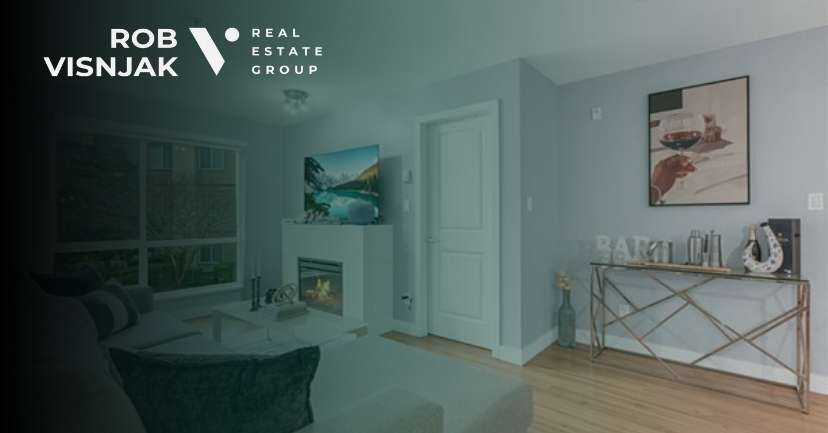
Once the pricing strategy is established, you must transform your personal living space into a neutral, highly marketable product. Start with a rigorous decluttering process, aiming to remove at least 50% of everyday items, personal photographs, and bulky furniture to make rooms feel larger and more inviting. Follow this with a professional-level deep clean, paying special attention to kitchens, bathrooms, windows, and flooring.
Address minor maintenance issues that could turn off potential buyers, such as leaky faucets, scuffed paint, cracked tiles, or burnt-out lightbulbs. A fresh coat of neutral paint is widely considered the highest-return investment you can make before listing. Finally, staging the home—whether using your own edited furniture or hiring a professional—helps define the purpose of each room and allows buyers to easily envision their own lives unfolding in the space. If your property has struggled to attract offers in the past, understanding why homes don't sell can help you avoid making the same preparation mistakes twice.
Step 4: Execute a High-Impact Marketing Plan
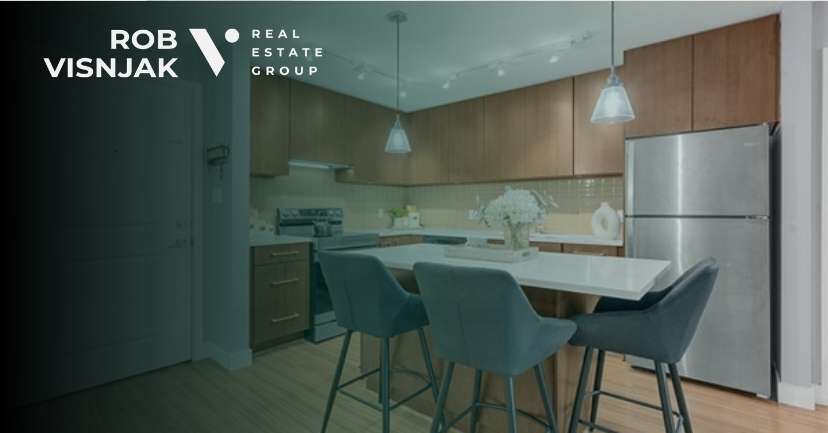
In today's digital real estate landscape, your property's online presentation serves as its first showing. Hiring a professional real estate photographer is non-negotiable; homes with high-quality, well-lit photos receive significantly more online views and showing requests than those with amateur imagery. Enhancing the listing with 3D virtual tours, floor plans, and drone videography provides out-of-town buyers with a comprehensive understanding of the property's layout before they step through the door.
A compelling listing description should highlight the home's best features, recent upgrades, and lifestyle benefits, rather than just listing basic specifications. Your agent will syndicate this listing across the Multiple Listing Service (MLS) and top real estate portals to guarantee maximum exposure. For properties in highly sought-after communities like Surrey and Langley, localized social media advertising and targeted email campaigns are highly effective tools for reaching qualified buyers. You can review our comprehensive strategies to sell your home to see how aggressive marketing drives premium offers.
Step 5: Manage Showings and Open Houses
When the listing goes live, your home must remain in pristine condition at all times to accommodate prospective buyers. Flexibility is key during this phase; you should be prepared to leave the house on relatively short notice so buyers can tour the property comfortably with their agents. Buyers often feel awkward and rush through a showing if the current homeowner is present, so it is best to take your pets and step out during appointments.
Open houses can also generate concentrated foot traffic over a single weekend, creating a sense of urgency and competition among potential buyers. After each showing or open house, your agent will follow up with the buyers' representatives to gather feedback regarding the home's price, condition, and appeal. Understanding the home buying process from the buyer's perspective allows you to proactively address their common concerns and objections during these viewings.
Step 6: Review Offers and Negotiate
Receiving an offer is an exciting milestone, but evaluating it requires looking closely at the entire contract, not just the top-line purchase price. A strong offer includes favorable terms such as a substantial earnest money deposit, pre-approval from a reputable lender, a preferred closing date, and limited contingencies. Often, an offer from well-prepared first-time home buyers with minimal contingencies can be more reliable than a slightly higher offer loaded with restrictive conditions.
You have three options when an offer arrives: accept it as written, reject it outright, or issue a formal counteroffer. Negotiations frequently involve counter-proposing the purchase price, adjusting closing timelines, or debating which appliances and fixtures will be included in the sale. Having a seasoned negotiator on your side ensures your financial interests are protected while keeping the buyer engaged. Reading our client reviews will show you how expert negotiation consistently secures the best possible outcomes for our sellers.
Step 7: Navigate Inspections and Appraisals
Once you and the buyer sign the purchase agreement, the transaction enters the escrow or contract period. During this time, the buyer will typically hire a licensed inspector to thoroughly evaluate the property's structural and mechanical systems. If the inspection reveals hidden defects, the buyer may ask you to complete repairs or request a financial credit at closing to handle the issues themselves.

Simultaneously, the buyer's mortgage lender will order an independent appraisal to ensure the home's value justifies the loan amount. If the appraisal comes in lower than the agreed-upon purchase price, the buyer's lender will not cover the difference. In this scenario, you must negotiate a solution: you can lower the price to match the appraisal, the buyer can make up the difference in cash, or you can meet somewhere in the middle. Your agent will help you navigate these hurdles to keep the deal from falling apart.
Step 8: Final Walkthrough and Closing
As closing day approaches, the buyer will conduct a final walkthrough of the property, usually 24 to 48 hours before signing the paperwork. The purpose of this visit is to verify that the home is in the agreed-upon condition, that all negotiated repairs have been completed, and that no damage occurred during your move-out. You must ensure the house is completely empty and broom-clean prior to this walkthrough.
The closing itself involves signing a large stack of legal documents to officially transfer the property's title to the buyer. Your closing agent, lawyer, or notary will distribute the funds, paying off your remaining mortgage balance, settling real estate commissions, and paying any outstanding property taxes or local fees. Once the documents are recorded and the funds are disbursed, you will hand over the keys, officially completing the sale of your house.
Frequently Asked Questions (FAQ)
1. How do I determine the right asking price?
Work with an agent to analyze a Comparative Market Analysis (CMA), which looks at recent sales of similar homes in your specific neighborhood, adjusting for your property's condition and upgrades.
2. Should I renovate my kitchen or bathrooms before selling?
Usually, no. Major renovations rarely yield a 100% return on investment. Focus instead on minor, high-impact cosmetic updates like fresh paint, modern lighting, and deep cleaning.
3. How long does the closing process typically take?
The period between signing a purchase agreement and the final closing typically spans 30 to 45 days, which provides necessary time for inspections, appraisals, and mortgage underwriting.
4. What documents do I need to sell my house?
You should gather your original purchase contract, recent property tax statements, mortgage payoff details, warranties for appliances or a new roof, and a comprehensive seller's disclosure statement.
5. How important are professional photos for the listing?
They are absolutely critical. The vast majority of buyers evaluate homes online before deciding to visit in person, and professional photography drastically increases showing requests.
6. Do I have to accept the highest offer I receive?
No. You should evaluate the entire offer package, including financing contingencies, down payment amounts, proposed closing dates, and the overall financial strength of the buyer.
7. What happens if the home appraisal comes in low?
If the appraisal is below the purchase price, you can negotiate to lower the price, ask the buyer to cover the difference out of pocket, or split the difference to save the transaction.
8. Can I sell my house if I still have a mortgage on it?
Yes. During the closing process, the escrow agent or lawyer will use the incoming funds from the buyer to pay off your existing mortgage balance before distributing the remaining net profits to you.
Conclusion
Selling your house is a multi-faceted process that requires diligent preparation, precise pricing, and strategic marketing. By taking the time to repair and stage your property, relying on data to set your asking price, and navigating negotiations with a focus on both price and terms, you can ensure a profitable and efficient transaction. While the steps can feel overwhelming, approaching them methodically prevents costly errors and protects your hard-earned equity.
You do not have to navigate this complex financial journey alone. Partnering with experienced professionals ensures your property reaches the right buyers and that you are protected during contract negotiations and closing. If you are ready to start the process of selling your home, we invite you to connect with us today. The Rob Visnjak Real Estate Group is dedicated to providing the expertise and local market knowledge necessary to achieve your real estate goals.

Rob Visnjak Personal Real Estate Corp
Team Lead | ROB VISNJAK REAL ESTATE GROUP
or another way