
Published January 1, 2026
How Do I List My House for Sale by Owner? Step‑by‑Step Guide

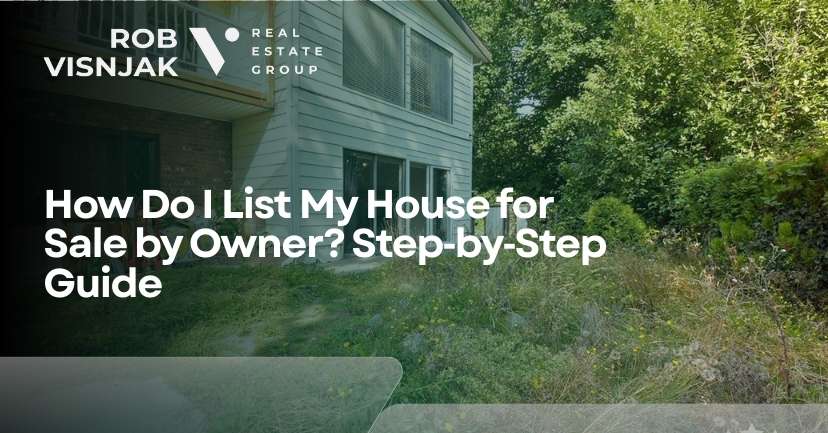
Deciding to sell your house without a real estate agent can be both empowering and challenging. Understanding how to list your house for sale by owner properly is essential to maximizing your sale price while avoiding costly mistakes that could derail your transaction. For Sale By Owner (FSBO) sales represent approximately 6% of all home transactions, and while they can potentially save you commission costs, they require significant time, effort, and knowledge to execute successfully.
At the Rob Visnjak Real Estate Group, we recognize that some homeowners feel confident taking on the challenge of selling independently. While we typically provide full-service representation, we believe all sellers deserve access to accurate information about the FSBO process. The reality is that FSBO selling involves complex legal requirements, marketing expertise, negotiation skills, and transaction management that professional agents handle daily. If you choose this route, preparation and education are your most valuable tools.
This comprehensive guide will walk you through every step of listing and selling your house as FSBO. From pricing and preparation to marketing, negotiations, and closing, we'll cover the essential tasks you need to complete for a successful sale. Whether you're motivated by potential commission savings or simply want to maintain complete control over the process, this guide provides the knowledge you need to make informed decisions and protect your interests throughout the transaction.
Key Takeaways
-
Price Accurately: Overpricing is the top reason FSBO homes don't sell.
-
Prepare Thoroughly: Your home must be in pristine condition to compete with agent listings.
-
Market Aggressively: You need professional photos, online listings, and consistent promotion.
-
Understand Legal Requirements: Each state/province has specific disclosure and contract requirements.
-
Consider Hiring Help: A real estate attorney is essential to protect your interests.
Research and Price Your Home Accurately
Setting the right price is the most critical decision you'll make when listing your house for sale by owner. Overpricing is the number one reason FSBO homes fail to sell, while underpricing costs you thousands of dollars in lost equity. Start by conducting thorough market research using online tools like Zillow, Redfin, and Realtor.com to find comparable sales (comps) in your neighborhood. Look for homes similar in size, condition, age, and features that have sold within the past 3-6 months.

Pay attention to the actual sale prices, not just asking prices, as this reflects real market value. Compare your home's features, upgrades, and condition to these comps objectively. Consider getting a professional appraisal to provide an unbiased valuation—this typically costs $300-$500 but can prevent costly pricing mistakes. Remember that buyers working with agents will see the same comps and will negotiate based on true market value, not your desired price.
Be aware that FSBO homes often take longer to sell than agent-listed properties, partly due to pricing issues. Buyers may also assume they should get a discount since you're not paying a listing agent commission. Price competitively from the start rather than testing the market with a high price and reducing later, as this creates a "stale listing" perception. Understanding local market values in areas like Langley or Surrey is crucial, and our home value calculator can provide a starting reference point.
Prepare and Stage Your Home
Your home must be in pristine condition to compete with professionally marketed listings. Start by completing all necessary repairs, including fixing leaky faucets, patching holes in walls, repairing cracked tiles, replacing worn caulking, and addressing any deferred maintenance issues. Buyers notice every flaw and may overestimate repair costs, using them to negotiate lower prices.
Deep clean every surface or hire professional cleaners to ensure the home sparkles. This includes windows, carpets, appliances, grout lines, and often-neglected areas like ceiling fans and baseboards. Consider repainting rooms with bold colors in neutral tones that appeal to the broadest buyer demographic. Fresh paint is one of the highest return-on-investment improvements you can make.
Stage your home to highlight its best features and help buyers envision themselves living there. Declutter by removing at least 50% of your belongings, depersonalize by packing away family photos and personal items, rearrange furniture to maximize space and flow, and enhance curb appeal with fresh landscaping, power washing, and a welcoming entrance. Stage key rooms like the living room, kitchen, and primary bedroom, as these have the most influence on buyer decisions. Consider getting a pre-listing inspection to identify issues before buyers discover them.
Create Professional Marketing Materials
High-quality photography is absolutely essential for FSBO success. The vast majority of buyers start their search online, and your photos are the first impression that determines whether they'll schedule a showing. Invest in professional real estate photography or, at minimum, use a high-quality camera with proper lighting and staging. Take photos during daylight hours to maximize natural light, and shoot from angles that make rooms look spacious.
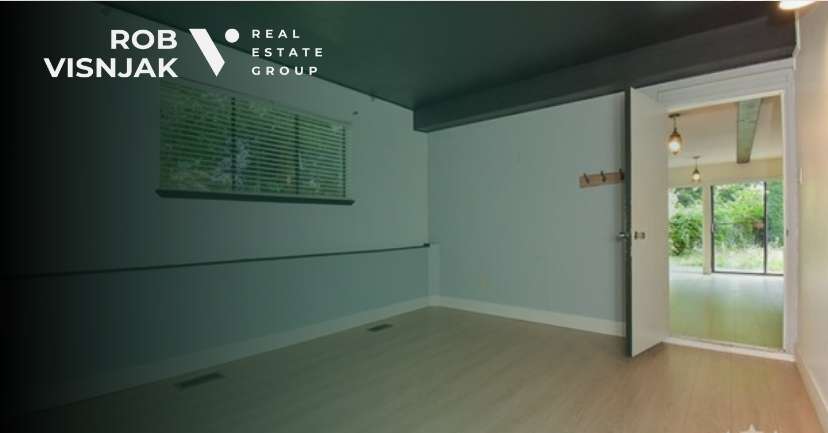
Consider creating a virtual tour or video walkthrough, as these significantly increase buyer engagement. Modern smartphones can capture decent video, but professional videographers create polished results that make your listing stand out. Write a compelling property description that highlights unique features, recent upgrades, desirable neighborhood amenities, and lifestyle benefits. Focus on what makes your home special rather than generic statements.
Create printed flyers with your best photos and key property details for potential buyers to take during showings. Design a professional-looking yard sign with clear contact information. These physical marketing materials remain important even in the digital age, as they engage neighbors who might know potential buyers.
List Your Property Online and on MLS
Getting maximum exposure for your listing is crucial to attracting qualified buyers. Start by listing your home on FSBO-friendly platforms that allow owner listings for free or minimal cost. Major sites include Zillow, Trulia, ForSaleByOwner.com, Craigslist (local), and Facebook Marketplace.
The most important marketing platform is the Multiple Listing Service (MLS), where the vast majority of buyers and their agents search for properties. Traditionally, only licensed real estate agents could post to the MLS, but now you can access it through flat-fee MLS companies like Houzeo or FSBOList.com. These services charge a flat fee (typically $100-$500) to post your listing to the MLS, which then syndicates to all major real estate websites.
When creating your listing, be thorough and accurate with all details including square footage, number of bedrooms and bathrooms, lot size, year built, recent upgrades, and unique features. Be honest about the property's condition to avoid wasting time with buyers whose expectations don't match reality. Update your listing regularly to keep it fresh in search results, and respond promptly to all inquiries.
Understand Your Disclosure Requirements
Legal disclosure requirements vary by state and province, but failing to properly disclose known defects can result in expensive lawsuits after closing. Research your jurisdiction's specific requirements or consult with a real estate attorney to ensure compliance. Most areas require disclosure of structural issues, past flooding or water damage, lead-based paint (homes built before 1978), environmental hazards, roof age and condition, HVAC and major system status, past repairs and renovations, and homeowners association rules and fees.
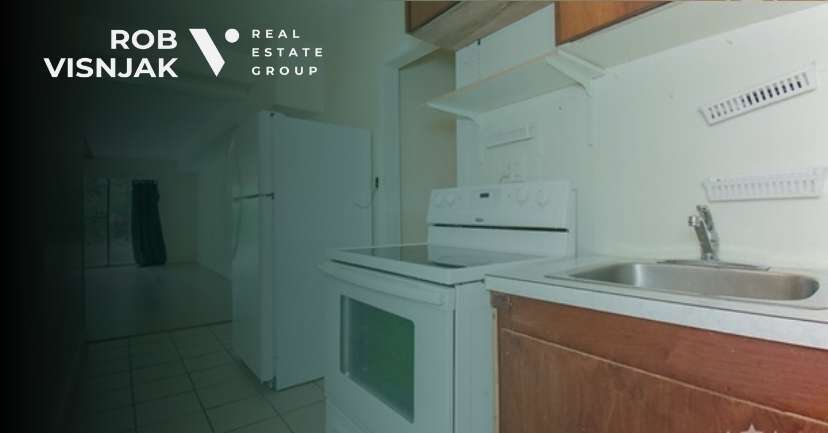
Complete all required disclosure forms accurately and honestly. Don't attempt to hide known problems, as buyers will likely discover them during inspections, and non-disclosure can void the sale or lead to litigation. If you're unsure whether something needs to be disclosed, err on the side of transparency. Providing complete disclosures upfront builds trust with buyers and actually facilitates negotiations because there are no surprises.
Keep copies of all disclosure documents for your records. If selling in British Columbia, ensure you're familiar with provincial requirements, and consider how the home buying process works from the buyer's perspective by reviewing resources like the home buying process.
Manage Showings and Screen Buyers
Safety and security are important considerations when allowing strangers into your home. Require all potential buyers to provide basic contact information before scheduling showings. Consider requiring visitors to be accompanied by their real estate agent if they have one, as this provides some level of screening. Never conduct showings alone—have a friend or family member present, or schedule open houses when multiple people will be viewing.
Prepare your home before each showing by turning on all lights, opening curtains and blinds, adjusting temperature to comfortable levels, removing pets and their supplies, and ensuring the home is clean and fresh-smelling. Be present during showings to answer questions, but give buyers space to explore and discuss the home privately.
Pre-qualify potential buyers before investing time in showings and negotiations. Request proof of funds for cash buyers or mortgage pre-approval letters for financed purchases. Note that pre-approval is more reliable than pre-qualification. This screening process protects you from time-wasters and helps you identify serious buyers who can actually complete the purchase.
Negotiate Offers and Handle Contracts
When you receive an offer, carefully review all terms—not just the price. Important factors include purchase price, earnest money deposit amount, buyer's financing terms and contingencies, requested closing date, inspection and appraisal contingencies, and requests for repairs or credits. Don't automatically accept the highest offer if it comes with risky terms or contingencies that could cause the deal to fall through.
This is where hiring a real estate attorney becomes essential. They can review offers, help you understand the implications of various terms, draft counteroffers, and ensure all contracts protect your interests. Attorney fees are modest compared to the financial risk of signing unfavorable contract terms or failing to comply with legal requirements.
Be prepared to negotiate. Most buyers will submit initial offers below asking price and may request repairs based on inspection findings. Decide in advance which terms are negotiable and which are deal-breakers. Respond to offers promptly to keep buyers engaged and prevent them from moving on to other properties.
Navigate Inspections and Appraisals
After accepting an offer, the buyer will typically schedule a home inspection within 7-10 days. The inspector will examine the property's condition and provide a detailed report of any issues. Review the inspection report carefully and be prepared to negotiate repairs, offer credits, or adjust the price based on findings. Not all inspection items require action—focus on significant safety or structural concerns.
The buyer's lender will also order an appraisal to ensure the property's value supports the loan amount. If the appraisal comes in below the purchase price, you may need to lower the price, the buyer may need to bring more cash to closing, or the deal could fall through. This is another reason why accurate initial pricing is so critical.
During this period, maintain communication with the buyer and their agent. Respond to requests promptly and professionally. Be flexible where reasonable, but don't let buyers take advantage of the situation. Your attorney can guide you through appropriate responses to inspection and appraisal issues.
Close the Transaction
The closing process typically takes 30-60 days from contract signing and involves significant paperwork and coordination. Work with a title company or real estate attorney to handle the closing logistics. They will conduct a title search to ensure clear ownership, prepare all closing documents, calculate prorated property taxes and fees, coordinate fund transfers, and record the deed transfer.
You'll be responsible for several closing costs including title insurance, attorney fees, prorated property taxes, HOA fees (if applicable), and potentially the buyer's agent commission if you agreed to pay it. These costs typically range from 1-3% of the sale price. Review the closing disclosure carefully before the closing date to ensure all numbers are correct.
On closing day, you'll sign the deed transferring ownership to the buyer, receive your proceeds after all costs are deducted, and hand over the keys. Make sure you've moved out completely and left the property in the agreed-upon condition. Keep copies of all closing documents for your tax records.
Frequently Asked Questions (FAQ)
1. Can I really save money selling FSBO?
Potentially, but you'll still pay closing costs, possibly buyer's agent commission, and you'll invest significant time and effort. Many FSBO sellers net less than they would with an agent due to pricing errors.
2. How do I get my FSBO listing on the MLS?
Use a flat-fee MLS service like Houzeo or FSBOList.com to post your listing without hiring a full-service agent.
3. Do I have to pay the buyer's agent commission?
This is negotiable, but refusing to pay buyer's agent commissions significantly limits your buyer pool, as most buyers work with agents.
4. What legal documents do I need?
At minimum, you need a purchase and sale agreement, disclosure statements, and deed. Requirements vary by state/province—consult an attorney.
5. How do I handle offers and negotiations?
Hire a real estate attorney to review offers, advise on terms, and draft counteroffers. Don't negotiate major contracts without legal support.
6. Should I allow showings without being present?
Never conduct showings alone for safety reasons. Have someone with you or require buyers to be accompanied by their agent.
7. What happens if issues come up during inspection?
You can agree to make repairs, offer a credit, reduce the price, or refuse—which might cause the buyer to walk away. Your attorney can advise.
8. Is FSBO right for me?
FSBO works best if you have a buyer lined up, you're selling in a hot market, you have marketing skills, and you're comfortable with legal complexity.
Conclusion
Listing your house for sale by owner is a complex undertaking that requires significant time, knowledge, and effort. While FSBO can potentially save commission costs, success depends on accurate pricing, professional marketing, legal compliance, and skilled negotiation. Many sellers underestimate the challenges and end up listing with an agent after months of frustration. If you choose the FSBO route, arm yourself with knowledge, hire professional help where needed, and be prepared for a steep learning curve.
Remember, you don't have to navigate real estate alone. The Rob Visnjak Real Estate Group offers various service levels to meet different seller needs, from full representation to consultation services. Our experience in the Fraser Valley market can help you make informed decisions about the best approach for your situation. If you're considering selling your home and want to explore your options, we invite you to connect with us today. Let us help you determine the best path forward for your unique circumstances.

Rob Visnjak Personal Real Estate Corp
Team Lead | ROB VISNJAK REAL ESTATE GROUP
or another way