
Published February 7, 2026
First-Time Home Buyer in BC: Complete Guide (2026)

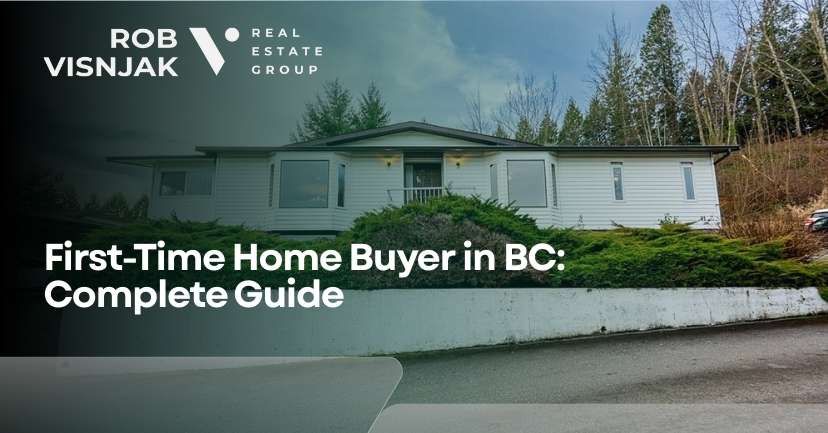
Buying your first home in British Columbia is an exciting milestone that comes with unique challenges and opportunities. Understanding what's available as a first-time home buyer in BC for 2026 is essential to accessing valuable programs, incentives, and tax exemptions that can save you thousands of dollars on your purchase. While BC's real estate market remains among the most expensive in Canada, multiple federal and provincial programs exist specifically to help first-time buyers overcome financial barriers and achieve homeownership.
At the Rob Visnjak Real Estate Group, we specialize in helping first-time buyers navigate the complexities of purchasing their first home throughout the Fraser Valley. We understand that for many buyers, understanding available programs, calculating affordability, and navigating the paperwork can feel overwhelming. Our goal is to simplify the process and ensure you take advantage of every incentive and program you qualify for, whether you're purchasing in Langley, Surrey, or surrounding communities.
This comprehensive guide covers everything first-time home buyers in BC need to know for 2026. From understanding eligibility requirements for the First-Time Home Buyers' Program to exploring federal incentives like the First Home Savings Account, calculating your budget, and navigating the purchase process step-by-step, we provide the complete roadmap to homeownership. By understanding the programs available and preparing strategically, you can make your first home purchase more affordable and less stressful.
Key Takeaways
-
Property Transfer Tax Exemption: Save up to $8,000 on homes valued up to $835,000.
-
First Home Savings Account: Save up to $40,000 tax-free specifically for your first home.
-
Home Buyers' Plan: Withdraw up to $35,000 from RRSP tax-free for down payment.
-
BC Home Owner Grant: Receive $570-$770 annually off property taxes.
-
Minimum Down Payment: 5% on first $500K, 10% on portion from $500K-$1M, 20% above $1M.
BC First-Time Home Buyers' Program (Property Transfer Tax Exemption)
The BC First-Time Home Buyers' Program is the most valuable provincial incentive, offering full or partial exemption from Property Transfer Tax (PTT)—potentially saving you up to $8,000 when you purchase your first home in 2026. This program helps reduce one of the biggest upfront costs for first-time buyers in BC, freeing up cash for renovations, furnishings, or savings.

The exemption details for 2026 include full exemption for homes valued up to $835,000, with partial exemption available for homes valued between $835,000 and $860,000. Above $860,000, no first-time buyer exemption applies. To calculate your potential savings, the standard PTT rates are 1% on the first $200,000, 2% on the portion from $200,000 to $2 million, 3% on the portion from $2 million to $3 million, and 5% on amounts above $3 million. For a $750,000 home, you would normally pay $13,000 in PTT, but the exemption eliminates this cost entirely.
To qualify for the BC First-Time Home Buyers' Program, you must meet several criteria. You must be a Canadian citizen or permanent resident, have lived in BC for at least 12 consecutive months immediately before the registration date OR filed at least two income tax returns as a BC resident in the six years immediately before the registration date. You must have never received a first time home buyers' exemption or refund in British Columbia or any other province or country. You must have never owned a principal residence anywhere in the world. The property must become your principal residence within 92 days of registration.
First Home Savings Account (FHSA)
The First Home Savings Account is a federal program launched to help Canadians save for their first home purchase. This registered plan combines the best features of TFSAs and RRSPs, allowing you to contribute up to $8,000 annually with a lifetime maximum of $40,000. Contributions are tax-deductible like an RRSP, and withdrawals for your first home purchase are tax-free like a TFSA.
The FHSA offers significant tax advantages for first-time buyers saving for a down payment. If you're in a 30% tax bracket and contribute the full $8,000 annually, you save $2,400 in taxes each year. Over five years of maximum contributions, you could accumulate $40,000 in savings plus investment growth, while receiving $12,000 in tax refunds. These tax savings can be redirected into additional FHSA contributions, accelerating your down payment savings.
To be eligible for an FHSA, you must be a resident of Canada, at least 18 years old (or the age of majority in your province), and a first-time home buyer. The definition of first-time buyer for FHSA purposes means you did not live in a home that you owned (or that your spouse or common-law partner owned) in the calendar year the account was opened or the preceding four years. The account must be used within 15 years of opening, providing ample time to save.
Home Buyers' Plan (HBP)
The Home Buyers' Plan is a federal program that allows first-time home buyers to withdraw up to $35,000 from their Registered Retirement Savings Plan (RRSP) to purchase or build a qualifying home, without paying tax on the withdrawal. If you're buying with a spouse or common-law partner who is also a first-time buyer, you can each withdraw $35,000, for a combined total of $70,000 for your down payment.
The withdrawn amount must be repaid to your RRSP over 15 years, starting the second year after withdrawal. For a $35,000 withdrawal, minimum annual repayments of approximately $2,333 are required. Any amount not repaid in a given year is added to your taxable income for that year. The HBP provides valuable flexibility for buyers who have RRSP savings but need liquidity for a down payment.
To use the Home Buyers' Plan, you must be considered a first-time home buyer, meaning you did not occupy a home that you owned (or that your current spouse or common-law partner owned) in the four-year period beginning January 1 of the fourth year before the withdrawal. The funds must be withdrawn within 30 days before or after the purchase date, and the home must become your principal residence within one year of purchase.
BC Home Owner Grant
The BC Home Owner Grant reduces your annual property taxes on your principal residence. While not limited to first-time buyers, this grant is valuable for new homeowners and provides ongoing savings throughout your homeownership. The basic grant is $570 per year off your property tax bill if your home is in a designated urban area including Metro Vancouver, the Fraser Valley, or Greater Victoria. For homes in rural or northern areas, the grant is higher at $770 per year.
To qualify for the Home Owner Grant, the property's assessed value must be under $2,175,000 for 2026, the property must be your principal residence, and you must be a Canadian citizen or permanent resident living in BC. Seniors (age 65+), veterans, or persons with disabilities may qualify for an additional grant on top of the basic amount, for up to a total of $1,045 in relief. Most first-time buyers' homes will fall well under the assessed value threshold.
The grant is claimed annually when you pay your property taxes, typically in July. For first-time buyers purchasing a property mid-year, you may be able to claim the grant in the current tax year if the previous owner did not claim the grant on the property. This ongoing annual savings helps offset the ongoing costs of homeownership.
GST/HST New Housing Rebate
If you're purchasing a newly constructed home or substantially renovated property in BC, you may qualify for the GST/HST New Housing Rebate. This federal rebate allows first-time home buyers to recover some of the GST paid on eligible new homes. The federal rebate provides up to 36% of the GST paid, capped at $6,300, for homes with a fair market value under $450,000.
BC also offers a provincial new housing rebate for the provincial portion of the HST on new homes. The combined federal and provincial rebates can significantly reduce the upfront cost of a new home purchase. The rebate amounts gradually phase out for homes valued between $350,000 and $450,000 for the federal portion, with no rebate available above $450,000.
To be eligible, the home must be your primary place of residence, you must be purchasing the home as a residence for yourself or a relation, and the fair market value must fall within the rebate thresholds. The rebate is typically assigned to the builder at closing, reducing the purchase price, though in some cases buyers apply for the rebate directly after closing.
Understanding Minimum Down Payment Requirements
Understanding down payment requirements is crucial for first-time buyers planning their purchase in BC for 2026. The minimum down payment in Canada varies based on the home's purchase price. For homes priced up to $500,000, the minimum down payment is 5%. For homes priced between $500,000 and $1 million, you need 5% on the first $500,000 and 10% on the portion above $500,000. For homes priced above $1 million, the minimum down payment is 20%.
For example, on a $600,000 home (common in many Fraser Valley markets), the minimum down payment would be $35,000: 5% of the first $500,000 ($25,000) plus 10% of the remaining $100,000 ($10,000). On an $800,000 home, the minimum down payment would be $55,000. On a $1.2 million home, you would need $240,000 (20%).
If your down payment is less than 20%, you'll need mortgage default insurance through CMHC, Sagen, or Canada Guaranty. This insurance protects the lender if you default on your mortgage and adds a premium to your total mortgage amount. Insurance premiums range from 0.6% to 4% of the mortgage amount depending on your down payment size. A larger down payment (20% or more) eliminates the need for mortgage insurance and qualifies you for better mortgage rates.
Getting Pre-Approved for a Mortgage
Before you start house hunting, getting pre-approved for a mortgage is essential. Pre-approval tells you how much you can afford to borrow and shows sellers you're a serious, qualified buyer. The pre-approval process typically involves a credit check, income verification through pay stubs and employment letter, proof of down payment through bank statements, and review of your debt obligations.
Canadian lenders assess your affordability using two key ratios. The Gross Debt Service (GDS) ratio measures your housing costs (mortgage, property taxes, heating, and 50% of condo fees if applicable) and should not exceed 32-39% of your gross monthly income. The Total Debt Service (TDS) ratio includes housing costs plus all other debt payments (car loans, credit cards, student loans) and should not exceed 42-44% of your gross monthly income.
Many first-time buyers benefit from working with a mortgage broker who can access multiple lenders and help you find the best rate and terms for your situation. Mortgage pre-approval typically lasts 90-120 days and locks in a rate, protecting you from rate increases during your home search. Resources on the home buying process can help you understand what comes after pre-approval.
Working With a Real Estate Agent
Working with an experienced real estate agent who understands first-time buyer needs is invaluable. A good agent helps you understand what you can afford, identifies properties that meet your needs and budget, provides market insights and neighbourhood information, negotiates on your behalf, coordinates inspections and appraisals, and guides you through the paperwork and closing process.
For first-time buyers, look for agents who specialize in working with new buyers and have a track record of helping them succeed. At Rob Visnjak Real Estate Group, we work extensively with first-time homebuyers throughout the Fraser Valley, ensuring they understand every step and take advantage of all available programs.
Your agent's commission is typically paid by the seller, meaning representation costs you nothing as a buyer. Don't try to navigate your first purchase alone—professional guidance prevents costly mistakes and often results in better deals than buyers could negotiate themselves.
Making an Offer and Closing the Deal
When you find a home you love, your agent will help you prepare a Contract of Purchase and Sale. This legal document includes the offer price, deposit amount (usually 5% of the purchase price), subject conditions such as financing approval and home inspection, closing and possession dates, and included items like appliances and window coverings.
Subject conditions protect you as a buyer. Common subjects include subject to financing approval (ensuring you can secure your mortgage), subject to satisfactory home inspection (allowing you to identify issues or renegotiate), and subject to reviewing strata documents if purchasing a condo or townhome. Subject removal periods typically last 5-10 days, during which you must satisfy these conditions or the contract becomes null and void.
Once subjects are removed, the sale becomes legally binding and you proceed to closing. You'll need to arrange home insurance before closing, conduct a final walk-through to ensure the property's condition hasn't changed, meet with your notary or lawyer to sign final documents, and provide the balance of your down payment and closing costs. Closing costs typically total 1.5-3% of the purchase price and include legal fees, property transfer tax (if not exempt), title insurance, and various adjustments.
Understanding Closing Costs
First-time buyers often underestimate closing costs beyond the down payment. In BC, expect to budget 1.5-3% of the purchase price for closing costs. On a $700,000 home, this means $10,500-$21,000 in additional costs. Major closing costs include property transfer tax (if not exempt as a first-time buyer), legal or notary fees ($1,000-$2,000), home inspection ($400-$600), property appraisal ($300-$500), title insurance ($200-$400), and land title and mortgage registration fees.
Moving costs, utility connection fees, and immediate home needs like window coverings or minor repairs should also be budgeted. Additionally, you'll need to set aside funds for ongoing homeownership costs including property taxes, home insurance, utilities, maintenance and repairs (budget 1% of home value annually), and strata fees if applicable.
Don't deplete all your savings for down payment and closing costs. Maintain an emergency fund with at least 3-6 months of expenses to cover unexpected repairs, job loss, or other financial emergencies. This financial cushion prevents you from facing foreclosure if challenges arise.
Frequently Asked Questions (FAQ)
1. What qualifies as a first-time home buyer in BC?
You've never received a first-time buyer exemption before and have never owned a principal residence anywhere in the world.
2. How much can I save with the BC Property Transfer Tax exemption?
Up to $8,000 on homes valued up to $835,000, with partial exemptions up to $860,000.
3. What is the minimum down payment for a first home in BC?
5% on the first $500K, 10% on the portion from $500K-$1M, and 20% above $1M.
4. Can I combine the FHSA and Home Buyers' Plan?
Yes, you can use both programs together, withdrawing from both your FHSA and RRSP for your down payment.
5. Do I need mortgage insurance?
If your down payment is less than 20%, you'll need mortgage default insurance through CMHC, Sagen, or Canada Guaranty.
6. How long does it take to buy a home in BC?
Typically 30-90 days from offer acceptance to closing, depending on conditions and financing timelines.
7. What credit score do I need to buy a home?
Most lenders prefer credit scores of 650+, with 700+ qualifying for the best rates.
8. Should I buy a new or resale home?
Both have advantages; new homes may qualify for GST rebates while resale homes often offer better value and established neighborhoods.
Conclusion
Buying your first home in British Columbia for 2026 is more achievable than many first-time buyers realize when you understand and utilize available programs and incentives. From the BC First-Time Home Buyers' Program that can save you thousands in property transfer tax to federal programs like the First Home Savings Account and Home Buyers' Plan that help you save for a down payment, multiple tools exist to support your homeownership goals. By preparing financially, understanding the process, and working with experienced professionals, you can navigate your first purchase with confidence.
The Rob Visnjak Real Estate Group specializes in helping first-time buyers throughout the Fraser Valley achieve their homeownership dreams. We understand the programs, the process, and the local markets in Langley, Surrey, and surrounding communities. Our goal is to ensure you take advantage of every incentive you qualify for while finding the right home for your needs and budget. If you're ready to start your first-time homebuyer journey in BC, we invite you to connect with us today. Let us guide you from first-time buyer to proud homeowner.
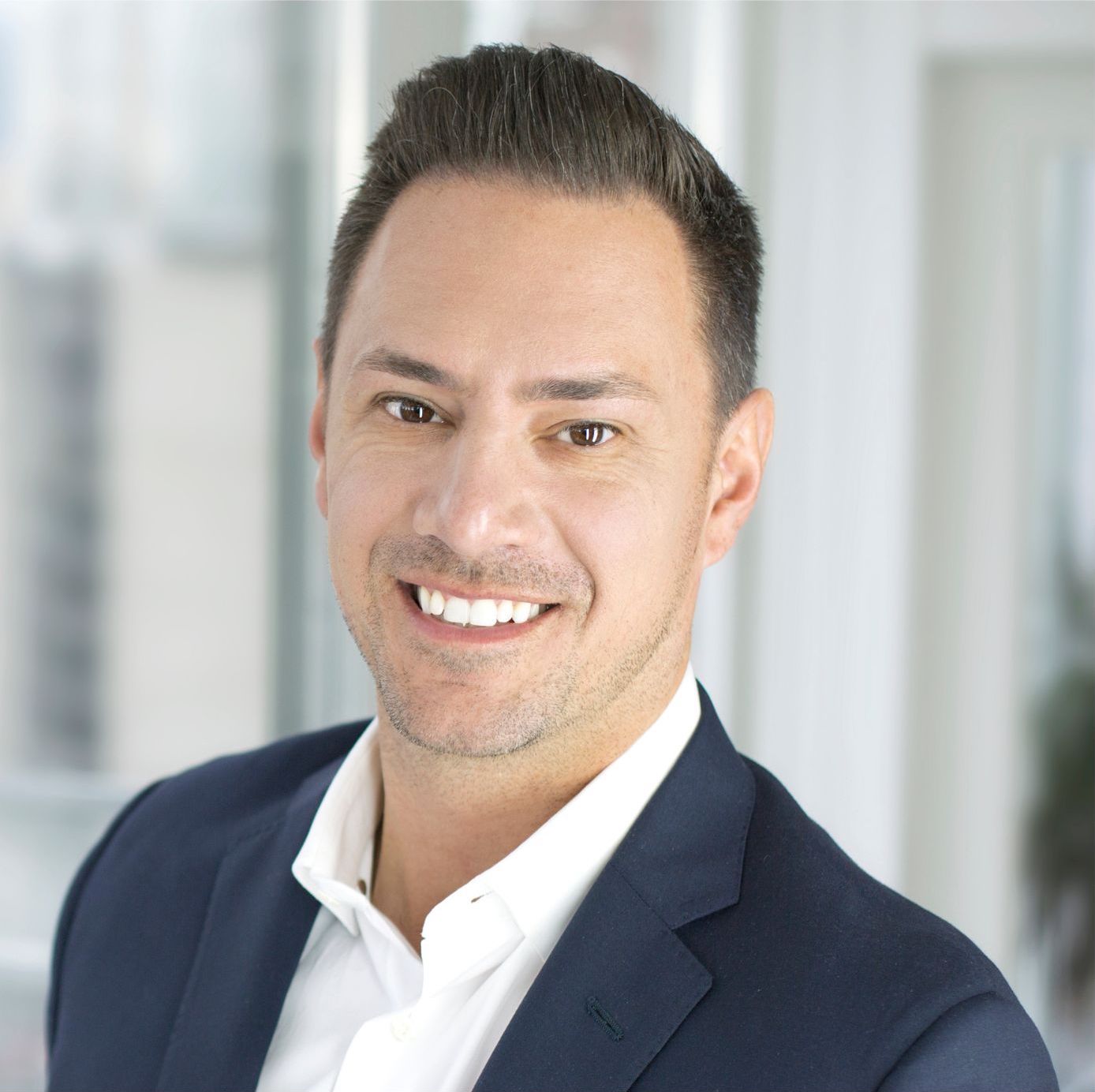
Rob Visnjak Personal Real Estate Corp
Team Lead | ROB VISNJAK REAL ESTATE GROUP
or another way