
Published February 5, 2026
Buying a House Checklist: Everything You Need

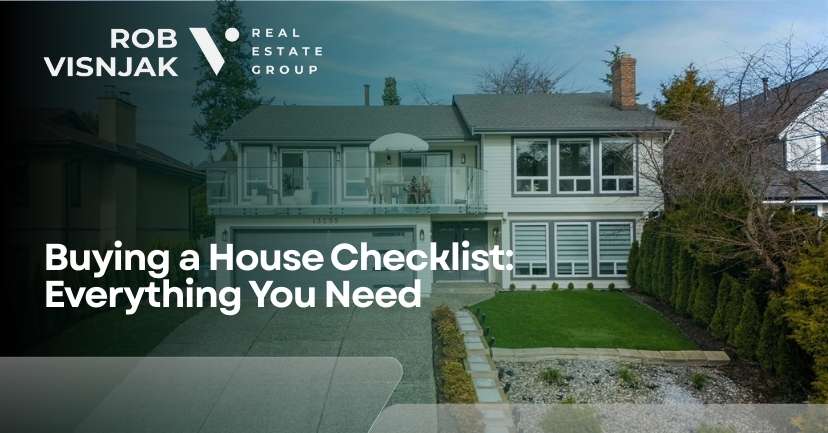
Buying a house is one of the most significant financial decisions you'll make, and having a comprehensive checklist ensures you don't miss critical steps along the way. Understanding everything involved in the buying a house checklist is essential to navigating the process smoothly, avoiding costly mistakes, and making informed decisions at every stage. From initial financial preparation through closing day, each step builds on the previous one to culminate in successful homeownership.
At the Rob Visnjak Real Estate Group, we guide buyers through every stage of the home buying journey throughout the Fraser Valley. While the process can seem overwhelming—especially for first-time buyers—breaking it down into manageable steps with a clear checklist makes it far less daunting. This systematic approach ensures you're financially prepared, legally protected, and confident in your purchase decision. Whether you're buying in Langley, Surrey, or other Fraser Valley communities, following a comprehensive checklist protects your interests and streamlines the journey to homeownership.
This complete guide provides everything you need on your home buying checklist, from pre-purchase preparation through move-in day. We cover financial readiness, assembling your professional team, house hunting strategies, making offers, navigating inspections, and finalizing your purchase. Each section includes actionable items you can check off as you progress, ensuring nothing falls through the cracks during this exciting but complex process.
Key Takeaways
-
Start with Finances: Get pre-approved before house hunting to know your budget and strengthen offers.
-
Assemble Your Team: Work with professionals including a realtor, lawyer, and home inspector.
-
Budget Beyond Purchase Price: Factor in closing costs, property taxes, insurance, and ongoing maintenance.
-
Never Skip Inspection: Professional home inspections identify issues before you commit.
-
Understand Timelines: The process typically takes 60-90 days from offer to closing.
Before You Start House Hunting
Assess Your Financial Readiness
Before you begin searching for homes, evaluate your complete financial situation. Check your credit score through Equifax or TransUnion Canada—most lenders prefer scores of 650+ for favorable mortgage terms. Review your credit report for errors or issues that need addressing. Calculate your debt-to-income ratio by dividing your monthly debt payments by your gross monthly income; lenders typically want this below 42-44%.

Determine how much you've saved for a down payment. In Canada, you need a minimum of 5% down, though 20% or more qualifies you for conventional mortgages without mortgage insurance. Calculate your total available funds including down payment, closing costs (typically 1.5-4% of purchase price), and emergency reserves for unexpected homeownership expenses.
Create a realistic monthly budget that includes mortgage payments (principal and interest), property taxes, home insurance, utilities (electricity, heating, water), maintenance and repairs (budget 1-2% of home value annually), and condo fees if applicable. Ensure you can comfortably afford these expenses while maintaining your lifestyle.
Get Mortgage Pre-Approval
Obtain mortgage pre-approval before you start viewing properties. Pre-approval means a lender has reviewed your financial situation and committed to lending you a specific amount (subject to conditions). This critical step provides several advantages: you know exactly how much you can afford to borrow, you strengthen your negotiating position with sellers, you lock in an interest rate for 90-120 days, and you can move quickly when you find the right home.
To get pre-approved, gather required documentation including recent pay stubs or proof of income, Notice of Assessment from recent tax returns, employment letter confirming position and salary, list of assets and liabilities, and identification. Meet with your mortgage broker or lender to review options and get formally pre-approved before beginning your search.
Decide What You Want
Before viewing properties, clarify what you're looking for to streamline your search. Create a "must-haves" list including number of bedrooms and bathrooms, desired neighborhoods or areas, proximity to work, schools, and amenities, property type (detached, townhouse, condo), and essential features like parking or yard space. Then create a "nice-to-haves" list of features you're willing to compromise on.
Consider your lifestyle needs and how the home will serve you now and in the future. Are you planning to start or grow a family? Do you work from home and need office space? How important is outdoor space? Answering these questions helps focus your search on properties that truly fit your needs.
Assembling Your Professional Team
Hire a Real Estate Agent
Find a qualified real estate agent to guide you through the buying process. A good buyer's agent provides access to MLS listings and off-market properties, expert knowledge of local neighborhoods and market conditions, skilled negotiation on your behalf, coordination of viewings and showings, and guidance through offers, inspections, and closing. Choose an agent who specializes in your target areas and understands your needs.
Your agent should be readily available, communicative, and willing to answer your questions throughout the process. They'll help you evaluate properties objectively, identify potential issues, and make competitive offers. In most cases, the seller pays your agent's commission, so their services cost you nothing directly.
Secure a Lawyer or Notary
Hire a real estate lawyer (or notary in Quebec) early in the process. Your lawyer protects your legal interests by reviewing purchase agreements and contracts, conducting title searches to ensure clear ownership, explaining legal documents and your obligations, registering the property transfer, and handling closing day fund transfers. Don't wait until you have an accepted offer—establish this relationship early.
Your lawyer will also calculate closing costs including land transfer taxes, legal fees and disbursements, title insurance, and adjustments for prepaid property taxes or utilities. Having legal representation ensures you understand what you're signing and protects you from potential legal issues.
Find a Home Inspector
Research qualified home inspectors in your area before you need one. A professional home inspector examines the property's condition including structural integrity, roofing, foundation, electrical systems, plumbing, HVAC systems, and visible defects or concerns. The inspection typically takes 2-4 hours and costs several hundred dollars depending on property size.
Never skip the home inspection, even in competitive markets. The inspection report identifies issues that may affect your decision to proceed, provides leverage for price negotiation, and helps you budget for future repairs. Many buyers arrange to attend the inspection to ask questions and better understand the property.
House Hunting Phase
Start Your Property Search
Begin searching for properties within your pre-approved budget. Use online real estate platforms like Realtor.ca to view listings, get a sense of pricing in desired areas, and identify properties worth viewing. Work closely with your agent who can filter listings based on your criteria and arrange viewings efficiently.
When viewing properties, bring a checklist to evaluate each home consistently. Take photos and notes to remember details. Consider creating a scoring system for must-haves and nice-to-haves to objectively compare properties. Don't rush—view multiple properties to understand what's available in your price range.
Evaluate Location and Neighborhood
Don't just evaluate the house—thoroughly research the location. Consider quality of schools if you have or plan children, access to public transportation and major routes, proximity to work, shopping, and essential services, neighborhood safety and crime statistics, planned developments that could affect property values, and community amenities like parks and recreation. Drive through the area at different times of day to get a complete picture.

Research property tax rates in your target areas as this represents ongoing costs. Investigate whether the neighborhood is stable, declining, or growing—this affects future property values. Your agent can provide insights into market trends and neighborhood dynamics.
Attend Open Houses and Viewings
Attend open houses and schedule private viewings of promising properties. During viewings, look beyond cosmetic details to evaluate home condition, layout and flow, natural light, storage space, signs of water damage or structural issues, and quality of major systems and appliances. Ask questions about property age, recent renovations, reason for selling, and included items.
Pay attention to your emotional response but make decisions based on practical factors. A house might look beautiful but have significant underlying issues, or it might need cosmetic updates but have excellent bones. Try to separate emotion from analysis.
Making an Offer
Prepare Your Offer
When you find a property you want to purchase, work with your agent to prepare a competitive offer. Your offer should include purchase price based on comparable sales and market conditions, deposit amount (typically 5% of purchase price), closing date that works for your situation, and conditions (subjects) to protect your interests including financing, inspection, and potentially others.
In competitive markets, you may need to make your offer more attractive by offering above asking price, reducing conditions, or providing flexible closing dates. Your agent advises on appropriate offer strategy based on current market conditions and the specific property.
Include Appropriate Conditions
Protect yourself with appropriate conditions in your offer. Standard conditions include financing condition allowing you to back out if mortgage approval falls through, home inspection condition letting you renegotiate or withdraw based on inspection findings, and potentially property disclosure review, condominium document review for condos, or sale of current home. Each condition includes a timeline for removal.
While removing conditions makes offers more competitive, they exist to protect buyers from unforeseen problems. In balanced or buyer's markets, include full conditions. In seller's markets, work with your agent to determine which conditions are essential versus negotiable.
Due Diligence Period
Schedule and Attend Home Inspection
Once your offer is accepted, immediately schedule the home inspection—typically within 5-10 days. The inspector examines visible, accessible areas of the property without opening walls or floors. They'll provide a detailed report identifying defects, safety concerns, systems approaching end-of-life, and recommended repairs.
Attend the inspection to ask questions and gain understanding of the property's condition. Review the report carefully with your agent and lawyer. Based on findings, you can proceed as planned, negotiate repairs or price reduction, or potentially withdraw if issues are significant.
Remove or Satisfy Conditions
Work to satisfy all conditions within specified timelines. For financing conditions, finalize your mortgage approval and ensure the lender has all required documentation. For inspection conditions, review the report and decide whether to proceed, renegotiate, or withdraw. Document removal of each condition in writing through your agent.
The lender will order a property appraisal to ensure the home's value supports the mortgage amount. If the appraisal comes in below purchase price, you may need to renegotiate, increase your down payment, or potentially walk away.
Review All Legal Documents
Your lawyer reviews all legal documents including the Agreement of Purchase and Sale, title search results, property tax information, utility costs, and any property-specific documents like condo/strata bylaws. They'll explain your obligations and identify any issues requiring attention.
Review everything carefully before signing. Understand exactly what's included in the sale, what happens if either party defaults, and your responsibilities going forward. Don't hesitate to ask your lawyer questions about anything unclear.
Preparing for Closing
Arrange Home Insurance
Secure property insurance before your closing date—lenders require proof of insurance. Shop for competitive rates by comparing quotes from multiple insurers. Ensure coverage is adequate for rebuilding costs, not just market value. Consider additional coverage for personal belongings, liability protection, and optional coverages like sewer backup.

Provide your insurance information to your lawyer and lender as required. Insurance typically begins on your closing date.
Finalize Mortgage and Transfer Funds
Complete final mortgage paperwork with your lender several days before closing. Confirm all details including interest rate, payment schedule, and terms. Transfer your down payment and closing cost funds to your lawyer's trust account as instructed, typically 2-3 days before closing.
Verify the exact amount required with your lawyer including down payment, closing costs, legal fees, land transfer taxes, and adjustments. Ensure funds are available and transferred on time to avoid delays.
Conduct Final Walk-Through
Arrange a final walk-through inspection 24-48 hours before closing. This is your last chance to ensure the property is in the agreed-upon condition, all agreed-upon repairs have been completed, all fixtures and appliances included in the sale are present, and the property is vacant and clean. Bring your purchase agreement to verify what should be included.
If issues arise during the final walk-through, contact your lawyer immediately. Don't assume problems will be resolved after closing address them before finalizing.
Closing Day
Sign Final Documents
On closing day, meet with your lawyer to sign all final documents including mortgage documents, transfer documents, and closing statements. Review everything carefully before signing. Your lawyer will answer questions and explain each document.
The lawyer ensures the property title transfers to your name, registers the mortgage, pays the seller, and handles all financial transactions. This process typically takes a few hours.
Receive Your Keys
Once all documents are signed and the transaction is complete, you'll receive the keys to your new home. Congratulations—you're now a homeowner! Your lawyer will provide copies of all closing documents for your records.
Complete Move-In Tasks
After receiving keys, complete essential move-in tasks including changing locks for security, setting up utilities in your name (electricity, water, gas, internet), updating your address with relevant organizations, inspecting the property for any last issues, and planning your move. Consider doing a final cleaning before moving furniture in.
Frequently Asked Questions (FAQ)
1. How long does the home buying process take?
Typically 60-90 days from accepted offer to closing, though timelines vary based on conditions and circumstances.
2. What are typical closing costs in Canada?
Expect 1.5-4% of purchase price including legal fees, land transfer taxes, home inspection, appraisal, and other costs.
3. How much down payment do I need?
Minimum 5% for homes under $500,000, though 20% or more avoids mortgage insurance and gets better rates.
4. Should I get pre-approved before house hunting?
Yes, pre-approval shows sellers you're serious and helps you understand your exact budget.
5. Can I waive the home inspection to make my offer competitive?
While possible, it's risky and not recommended—inspections identify issues that could cost thousands.
6. What happens if the appraisal comes in low?
You can renegotiate the price, increase your down payment to cover the gap, or potentially withdraw if you included an appraisal condition.
7. Do I need a real estate lawyer?
Yes, lawyers are essential in Canada to review contracts, conduct title searches, and handle the legal transfer of property.
8. When do I need home insurance?
Secure insurance before closing—lenders require proof of coverage before releasing mortgage funds.
Conclusion
Buying a house involves numerous steps, documents, and decisions, but following a comprehensive checklist ensures you navigate the process successfully. From initial financial preparation and mortgage pre-approval through house hunting, making offers, completing due diligence, and finalizing your purchase, each step builds toward successful homeownership. While the journey can seem overwhelming, working with experienced professionals and staying organized makes it manageable and rewarding.
The Rob Visnjak Real Estate Group guides buyers through every step of the home buying process throughout the Fraser Valley. Our experience and local knowledge help you avoid pitfalls, make informed decisions, and find the right property at the right price. Understanding
the home buying process is just the beginning—having expert guidance makes all the difference. If you're ready to begin your home buying journey in Langley, Surrey, or surrounding communities, we invite you to connect with us today. Let us help you navigate every item on your home buying checklist with confidence.

Rob Visnjak Personal Real Estate Corp
Team Lead | ROB VISNJAK REAL ESTATE GROUP
or another way