
Published December 11, 2025
A‑Frame Houses for Sale: What Buyers Need to Know

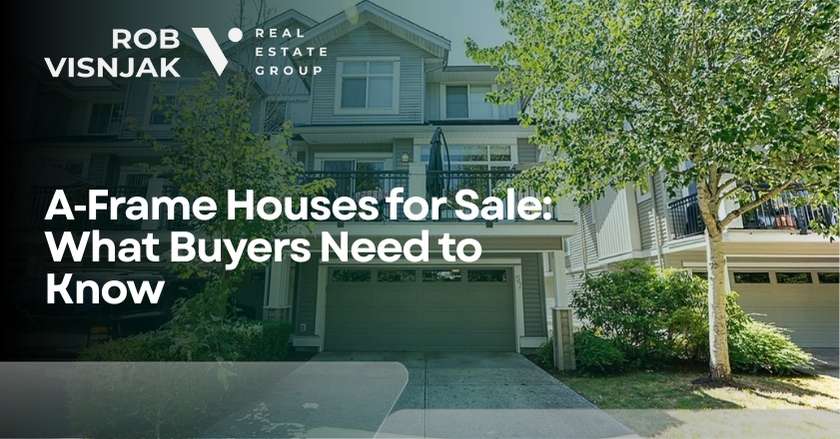
A-frame houses represent one of the most distinctive and recognizable architectural styles in residential real estate, characterized by their steep triangular rooflines that extend nearly to the ground. These unique structures have experienced a remarkable resurgence in popularity among homebuyers seeking something different from traditional suburban architecture. Originally popularized in the 1950s and 1960s as vacation homes and mountain retreats, A-frame houses are now finding their way into diverse markets, including urban and suburban areas like Surrey, where buyers appreciate their modern aesthetic and efficient use of space.
The appeal of A-frame houses lies in their perfect blend of form and function. Their distinctive triangular shape isn't just visually striking – it serves practical purposes including excellent snow load distribution, efficient heating and cooling, and maximum interior volume with minimal exterior wall surface. For buyers searching for an a frame house for sale, these properties offer a unique opportunity to own something truly distinctive while potentially benefiting from lower construction and maintenance costs compared to traditional homes.
In today's competitive real estate market, A-frame houses stand out as conversation starters and Instagram-worthy homes that appeal particularly to millennials and Gen Z buyers who value unique experiences over conventional luxury. Whether you're exploring the home buying process or searching for houses for sale in Surrey, A-frame properties offer a lifestyle choice that emphasizes connection with nature, minimalist living, and architectural innovation.
The growing interest in sustainable living and alternative housing solutions has brought A-frame houses back into the spotlight. These homes often incorporate eco-friendly features more easily than traditional structures, making them attractive to environmentally conscious buyers. Additionally, their relatively simple construction can make them more affordable to build and maintain, though buyers should understand both the advantages and challenges that come with this unique architectural style.
Key Takeaways
-
Distinctive Architecture: A-frame houses feature steep triangular rooflines that create dramatic interior spaces with soaring ceilings and large windows that maximize natural light and views
-
Cost Efficiency: The simple geometric design often results in lower construction costs per square foot compared to traditional homes, making them an attractive option for budget-conscious buyers
-
Energy Performance: The compact design and steep roof angle contribute to excellent energy efficiency, with reduced surface area for heat loss and natural snow shedding capabilities
-
Space Limitations: While visually impressive, A-frame houses typically offer less usable floor space due to sloped walls, requiring creative furniture placement and storage solutions
-
Maintenance Considerations: The steep roof design requires specialized maintenance access and may need more frequent attention to gutters, windows, and exterior elements
-
Resale Value: Market appeal can vary significantly by location, with some areas embracing the unique style while others may have limited buyer pools for unconventional architecture
-
Zoning and Permits: Some municipalities may have specific regulations regarding A-frame construction, making it important to verify local building codes and restrictions
-
Insurance Factors: Unique architectural features may affect homeowner's insurance rates and coverage options, requiring specialized evaluation by insurance providers
Understanding A-Frame House Architecture and Design
A-frame houses are defined by their most prominent feature: a steeply angled roofline that typically starts at or near the foundation and meets at a ridge at the top, creating the characteristic "A" shape when viewed from the front or back. This design philosophy prioritizes simplicity and efficiency, with the roof serving as both the primary structural element and the defining aesthetic feature. The steep pitch, usually between 45 and 60 degrees, serves multiple practical purposes including efficient water runoff, snow shedding, and creating dramatic interior spaces with cathedral ceilings.
The structural simplicity of A-frame design means that the triangular frame can support the entire load of the house, often requiring fewer interior support walls than traditional construction. This creates open, flowing interior spaces that feel larger than their actual square footage might suggest. Large windows are typically installed in the triangular front and back faces, flooding the interior with natural light and providing panoramic views of the surrounding landscape.
Modern A-frame houses have evolved significantly from their mid-century origins, incorporating contemporary materials and design elements while maintaining the essential triangular profile. Today's versions might feature steel frames instead of traditional wood, floor-to-ceiling glass walls, sustainable materials, and smart home technology. Some designs include dormers or extensions that add usable space while preserving the overall A-frame aesthetic.
Advantages of Buying an A-Frame House
One of the most compelling advantages of A-frame houses is their cost-effectiveness both in initial purchase price and ongoing maintenance. The simple geometric design requires fewer materials and less complex construction techniques compared to traditional homes, often resulting in lower per-square-foot costs. This efficiency extends to heating and cooling, as the compact design creates less volume to climate-control, and the steep roof angle promotes natural air circulation that can reduce energy costs throughout the year.
The aesthetic appeal of A-frame houses cannot be overstated, particularly for buyers seeking a home that makes a statement. These structures photograph beautifully and create an immediate sense of living in something special rather than ordinary. The dramatic interior spaces with soaring ceilings and abundant natural light create an atmosphere that many homeowners find inspiring and energizing. For those working from home or pursuing creative endeavors, the unique environment can provide daily motivation and a sense of living in a retreat-like setting.
A-frame houses excel in challenging weather conditions, particularly in areas with heavy snowfall. The steep roof angle allows snow to slide off naturally rather than accumulating, reducing the risk of ice dams and structural stress from snow loads. This makes them particularly suitable for mountain locations and northern climates where snow removal and ice prevention are ongoing concerns with traditional roof designs.
From an investment perspective, A-frame houses often perform well as vacation rentals or short-term rental properties. Their unique appearance and Instagram-worthy aesthetics make them popular with travelers seeking memorable accommodations. This can provide additional income streams for owners and potentially offset mortgage costs while building equity in a distinctive property.
Potential Challenges and Considerations
While A-frame houses offer many advantages, potential buyers must carefully consider the challenges that come with this unique architectural style. The most significant limitation is the reduced usable floor space created by the sloped walls. In traditional homes, walls extend vertically from floor to ceiling, providing maximum usable space throughout the room. In A-frame houses, the sloped walls mean that much of the upper portion of rooms cannot accommodate standard furniture or storage solutions, effectively reducing the functional square footage despite impressive ceiling heights.
Furniture placement becomes a creative challenge in A-frame houses, as standard rectangular furniture pieces don't always work well against angled walls. This often necessitates custom-built furniture, built-in storage solutions, or careful selection of pieces that complement the angular architecture. Homeowners may find themselves spending more on specialized furniture or renovation costs to create adequate storage and functional living spaces.
Maintenance access can be problematic with A-frame houses, particularly for exterior cleaning, gutter maintenance, and roof repairs. The steep angles that make these homes architecturally striking also make them challenging for routine maintenance tasks. Professional services may charge premium rates for working on steep roofs, and some maintenance tasks that homeowners might typically handle themselves become impractical or dangerous.
Financing and Insurance Considerations
Financing an A-frame house can present unique challenges that buyers should understand before beginning their search. Traditional mortgage lenders may view A-frame houses as non-conforming properties, particularly if they're located in areas where this architectural style is uncommon. This classification can affect loan terms, interest rates, and down payment requirements. Understanding home financing options becomes especially important when purchasing unique properties.
The appraisal process for A-frame houses requires appraisers familiar with this architectural style and its market value in the specific area. Finding comparable sales can be challenging in markets where A-frame houses are rare, potentially leading to conservative appraisals that could affect loan approval amounts. Buyers should be prepared for the possibility that their chosen property might appraise for less than the purchase price, requiring additional cash to close or renegotiation with the seller.
Insurance considerations for A-frame houses involve several unique factors that can affect both coverage options and premium costs. The steep roof design and large windows that characterize these homes may be viewed as higher risk by some insurance companies, particularly in areas prone to severe weather. The Canada Mortgage and Housing Corporation provides valuable resources for understanding housing finance solutions and mortgage insurance requirements .
Working with real estate professionals experienced in unique properties can be invaluable when purchasing an A-frame house. Agents familiar with alternative architecture understand the specific challenges and advantages of these homes and can help navigate the financing and insurance landscape more effectively. They can also provide valuable insights into local market conditions and help set realistic expectations for both the purchase process and long-term ownership experience.
Location and Market Considerations in Surrey
When searching for houses for sale in Surrey, A-frame properties represent a unique segment of the market that appeals to buyers seeking distinctive architecture in British Columbia's diverse real estate landscape. Surrey's varied neighborhoods, from urban centers to more rural and forested areas, can provide suitable settings for A-frame houses, though their acceptance and value can vary significantly depending on the specific location and surrounding architectural context.
The Surrey real estate market has shown increasing appreciation for unique and alternative housing styles, partly driven by younger demographics who value distinctive living experiences over traditional suburban conformity. A-frame houses in Surrey benefit from the region's natural beauty, with many properties positioned to take advantage of mountain views, forest settings, or proximity to parks and green spaces that complement the architectural style's connection to nature.
Market analysis shows that A-frame houses in the Surrey area tend to perform best in neighborhoods that already embrace architectural diversity or in locations where the natural setting supports the cabin-like aesthetic these homes often embody. Areas near Green Timbers Urban Forest, Bear Creek Park, or the more rural sections of South Surrey provide ideal contexts where A-frame houses feel integrated with their surroundings rather than out of place among traditional suburban developments.
Pricing considerations for A-frame houses in Surrey reflect both the unique nature of the properties and local market dynamics. While these homes may offer cost advantages in terms of construction and energy efficiency, their market value depends heavily on local buyer preferences and the availability of comparable properties. Working with real estate professionals who understand the Surrey market's nuances can provide insights into neighborhood-specific trends for unique properties.
The investment potential for A-frame houses in Surrey includes considerations beyond traditional residential appreciation. The proximity to Vancouver, mountain recreation areas, and the growing popularity of unique accommodations for short-term rentals create additional value propositions. However, buyers should carefully research local zoning regulations, homeowners association rules, and municipal guidelines that might affect their intended use of an A-frame property.
Frequently Asked Questions
Are A-frame houses more expensive to heat and cool?
A-frame houses can actually be more energy-efficient than traditional homes due to their compact design and reduced surface area for heat loss. However, the high ceilings can create temperature stratification, requiring strategic HVAC planning and possibly ceiling fans to circulate air effectively.
Do A-frame houses hold their value well?
The resale value of A-frame houses depends heavily on location and local market preferences. In areas where unique architecture is appreciated or where the style fits the natural setting, they can maintain or increase value well. However, the buyer pool may be more limited than for traditional homes.
Can you add onto an A-frame house easily?
Adding onto A-frame houses requires careful planning to maintain the architectural integrity. Common additions include dormers for extra headroom, attached garages, or complementary structures. The triangular design can make some additions more challenging than with traditional rectangular homes.
What are the biggest maintenance challenges with A-frame houses?
The primary maintenance challenges include accessing the steep roof for cleaning and repairs, maintaining large windows, and ensuring proper gutter function. The steep angles that define the style can make routine maintenance more difficult and potentially more expensive.
Are there building code restrictions for A-frame houses?
Building codes vary by municipality, but most areas allow A-frame construction as long as it meets standard structural, electrical, and plumbing requirements. Some areas may have specific requirements for steep roof construction or minimum ceiling heights in living areas.
How much usable space do you lose with sloped walls?
The amount of lost usable space depends on the roof pitch and ceiling height, but typically 15-25% of the floor area may have limited functionality due to sloped walls. Creative design and built-in solutions can help maximize the usable space.
Are A-frame houses suitable for families with children?
A-frame houses can work well for families, though parents should consider safety aspects like loft areas and steep stairs. The open design can be great for family interaction, while the unique environment can be exciting for children. Adequate storage and play space planning is important.
What should I look for when viewing an A-frame house for sale?
Pay special attention to the structural integrity of the frame, condition of large windows, evidence of water intrusion, adequacy of insulation, and the functionality of the HVAC system. Also consider the practical aspects of furniture placement and storage solutions already in place.
Conclusion
A-frame houses represent a unique opportunity in today's real estate market, offering buyers the chance to own something truly distinctive while potentially benefiting from cost efficiencies and energy performance advantages. These architectural gems appeal particularly to buyers who value unique design, connection with nature, and the satisfaction of living in a home that stands out from conventional suburban architecture. For those searching for an a frame house for sale, understanding both the advantages and challenges is crucial for making an informed decision.
The key to successful A-frame house ownership lies in realistic expectations and proper planning. First-time homebuyers and experienced property owners alike who appreciate the aesthetic and lifestyle benefits while understanding the practical limitations tend to be the most satisfied with their purchase. The reduced usable space, maintenance challenges, and potential financing complications are offset by the dramatic living spaces, energy efficiency, and unique character that these homes provide.
In markets like Surrey, where architectural diversity is increasingly valued and natural settings provide ideal contexts for A-frame houses, these properties can offer both lifestyle and investment benefits. Working with knowledgeable real estate professionals who understand the unique aspects of these properties can help buyers navigate the specific challenges and opportunities that A-frame houses present. Those ready to buy a home should consider scheduling a consultation to discuss their unique property needs.
Whether you're drawn to A-frame houses for their Instagram-worthy aesthetics, their connection to nature, their energy efficiency, or their potential as unique rental properties, success depends on thorough research, realistic planning, and appreciation for what makes these homes special. For the right buyer in the right location, an A-frame house can provide years of satisfaction and a truly distinctive living experience that conventional homes simply cannot match.

Rob Visnjak Personal Real Estate Corp
Team Lead | ROB VISNJAK REAL ESTATE GROUP
or another way