
Published December 12, 2025
A‑Frame Houses for Sale: Pros, Cons, and Costs

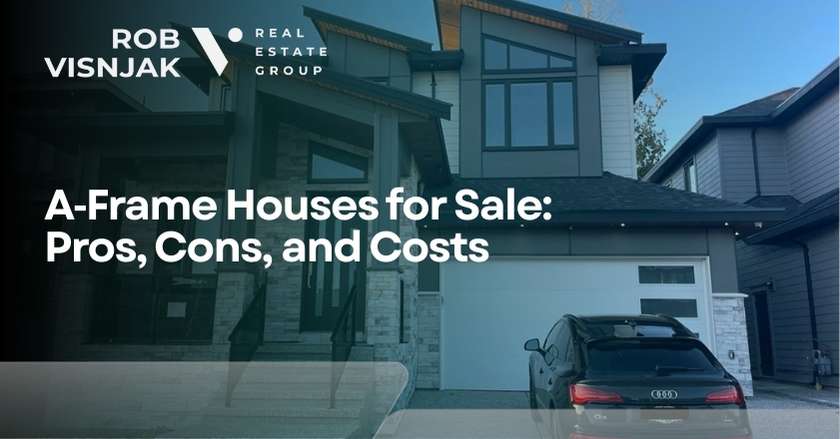
A-frame houses have captured the imagination of homebuyers and architecture enthusiasts for decades with their distinctive triangular silhouette and unique design aesthetic. These iconic structures, reminiscent of cozy mountain cabins and modern architectural marvels, offer a compelling alternative to traditional rectangular homes. When searching for an A-frame house for sale, potential buyers enter a niche market filled with both extraordinary opportunities and specific challenges that require careful consideration.
The appeal of A-frame homes extends far beyond their Instagram-worthy appearance. These structures represent a fascinating intersection of form and function, where bold architectural choices meet practical living solutions. Originally popularized in the mid-20th century as affordable vacation homes, A-frame houses have experienced a remarkable renaissance in recent years, driven by changing lifestyle preferences, remote work flexibility, and a growing appreciation for unique architectural styles.
For prospective homebuyers considering an A-frame property, understanding the complete picture is essential. These homes offer distinctive advantages that can enhance your living experience, from their efficient heating systems to their striking visual impact. However, they also present unique challenges that differ significantly from conventional housing options. The steep rooflines that define their character can create functional limitations, while their specialized design may impact everything from furniture placement to resale considerations.
The current real estate market has seen increased interest in alternative housing styles, with A-frame homes commanding attention from buyers seeking distinctive properties that reflect their personal style and values. Whether you're drawn to the cozy cabin aesthetic, the potential for energy efficiency, or the opportunity to own something truly unique, exploring the world of A-frame homes requires a comprehensive understanding of what these properties offer and what they demand from their owners.
Key Takeaways
-
Unique Investment Opportunity: A-frame houses represent a distinctive segment of the real estate market, often appealing to buyers seeking character-rich properties that stand out from conventional housing options.
-
Structural Advantages: The triangular design provides excellent structural integrity and snow load distribution, making these homes particularly suitable for mountainous or heavy snowfall regions.
-
Energy Efficiency Potential: When properly designed and insulated, A-frame homes can offer superior energy efficiency due to their compact interior volume and efficient heating distribution.
-
Space Utilization Challenges: The sloped walls create unique interior design challenges, requiring creative solutions for furniture placement and storage in areas with reduced headroom.
-
Construction Cost Considerations: Building or renovating A-frame homes often involves specialized expertise and materials, potentially impacting both initial costs and ongoing maintenance expenses.
-
Market Appeal Factors: These properties often attract vacation rental interest and appeal to buyers seeking unique architectural features, potentially offering diverse investment opportunities.
-
Maintenance Requirements: The steep roof design requires specific maintenance considerations, particularly regarding snow removal, gutter systems, and roof access for repairs.
-
Financing Considerations: Some lenders may have specific requirements or limitations when financing non-conventional architectural styles, requiring buyers to research mortgage options carefully.
Understanding A-Frame House Architecture and Design
A-frame houses derive their name from their distinctive triangular shape, which resembles the letter "A" when viewed from the front or back. This architectural style features steeply pitched rooflines that typically extend from the foundation to the peak, creating walls that serve dual purposes as both structural elements and roofing systems. The design originated from practical needs, particularly in regions with heavy snowfall, where the steep angles allow snow to slide off naturally rather than accumulating and creating structural stress. For more on historical architectural styles, the National Trust for Historic Preservation offers extensive resources.
The architectural appeal of A-frame homes lies in their bold simplicity and geometric precision. Large windows often dominate the front and rear facades, taking advantage of the expansive triangular surfaces to maximize natural light and create dramatic interior spaces. These windows not only serve practical purposes but also establish strong connections between indoor and outdoor environments, making A-frame homes particularly popular in scenic locations where views are a primary consideration.
Modern A-frame construction has evolved significantly from its mid-century origins, incorporating contemporary materials, energy-efficient systems, and innovative design solutions. Today's A-frame houses often feature modified designs that address some traditional limitations while maintaining the essential character that makes these homes so appealing. Variations include extended A-frames with additional wings, hybrid designs that combine A-frame sections with conventional structures, and contemporary interpretations that emphasize sustainable materials and smart home technologies.
The structural engineering of A-frame homes presents both advantages and considerations for potential buyers. The triangular configuration distributes loads efficiently, creating inherently stable structures that can withstand significant environmental stresses. However, this same geometry creates interior spaces with sloped walls that require thoughtful planning and design to maximize usability and comfort.
Advantages of Owning an A-Frame House
The structural benefits of A-frame houses extend well beyond their striking appearance, offering practical advantages that can significantly enhance the ownership experience. The triangular design creates exceptional structural integrity, with the steep roof angles naturally distributing weight and stress loads throughout the frame. This inherent strength makes A-frame homes particularly well-suited for challenging environments, including areas prone to heavy snow loads, strong winds, or seismic activity.
Energy efficiency represents another compelling advantage of well-designed A-frame homes. The compact interior volume relative to floor space means less air to heat and cool, potentially reducing energy consumption compared to conventional homes of similar square footage. The steep roof angles also facilitate excellent natural ventilation, with warm air rising efficiently through the structure and creating comfortable airflow patterns during warmer months. When combined with proper insulation and energy-efficient windows, these characteristics can result in notably lower utility costs. The U.S. Department of Energy highlights how efficient design choices can further optimize these natural benefits .
The aesthetic appeal and uniqueness of A-frame homes cannot be overstated. These properties offer owners the opportunity to live in architecturally distinctive spaces that reflect personal style and creativity. The dramatic interior volumes created by cathedral ceilings and exposed structural elements provide a sense of spaciousness that often exceeds what the actual square footage might suggest. Large windows typical of A-frame designs create bright, airy interiors with strong connections to outdoor environments.
From an investment perspective, A-frame homes often demonstrate strong appeal in vacation rental markets, particularly in scenic locations. Their distinctive character and photogenic qualities make them attractive to travelers seeking unique accommodation experiences, potentially providing owners with additional income opportunities. The memorable nature of these properties can also contribute to strong brand recognition if used for commercial purposes.
Maintenance advantages include the self-clearing roof design that naturally sheds snow, ice, and debris, reducing the need for regular roof cleaning and minimizing ice dam formation. The simple geometric form also means fewer complex architectural details that might require specialized maintenance, though this must be balanced against the challenges of accessing steep roof surfaces when repairs are needed.
Challenges and Disadvantages of A-Frame Living
While A-frame houses offer unique benefits, potential buyers must carefully consider the challenges that come with this distinctive architectural style. The most immediate concern for many homeowners involves the practical limitations created by sloped walls and reduced usable space in upper levels. The triangular interior configuration means that significant portions of the upper floor may have insufficient headroom for comfortable use, effectively reducing the functional square footage compared to conventional homes with the same footprint.
Furniture placement and interior design present ongoing challenges in A-frame homes. Standard furniture pieces often don't fit well against sloped walls, requiring creative arrangements or custom-built solutions. Storage can be particularly problematic, as traditional wardrobes, bookcases, and cabinets may not work effectively in spaces with angled walls. These limitations can impact both daily living comfort and the overall functionality of the home, particularly for families with extensive storage needs. If you are struggling with layout, you might want to consult a professional for creative solutions.
Construction and renovation costs for A-frame homes often exceed those of conventional structures due to specialized requirements and limited contractor familiarity with this architectural style. The steep roof angles require specific expertise for installation and maintenance, while custom windows and structural elements can significantly increase material costs. Finding contractors experienced with A-frame construction may be challenging in some markets, potentially leading to higher labor costs or the need to bring in specialists from distant locations.
Heating and cooling efficiency, while potentially advantageous in some respects, can also present challenges. The large interior volumes and extensive window areas typical of A-frame designs can create temperature control difficulties, particularly in extreme weather conditions. Heat loss through large glass surfaces and the challenge of maintaining consistent temperatures throughout the vertical space may result in higher energy costs than the compact design might initially suggest.
Resale considerations represent another important factor, as A-frame homes appeal to a more limited buyer pool compared to conventional properties. While this uniqueness can be an advantage in the right market, it may also result in longer selling times or price adjustments when market conditions are challenging. Financing can also be more complex, as some lenders may require additional appraisals or have specific requirements for non-conventional architectural styles.
Cost Considerations for A-Frame House Purchases
Understanding the financial implications of purchasing an A-frame house requires examining both initial acquisition costs and long-term ownership expenses. The purchase price of A-frame homes varies significantly based on location, size, condition, and architectural quality, but buyers should expect pricing that reflects the unique nature of these properties. In desirable vacation destinations or areas with limited A-frame inventory, prices may command premiums compared to conventional homes of similar size. For a better understanding of current pricing, you can request a home value assessment.
Initial purchase considerations extend beyond the listing price to include potential renovation or customization needs. Many existing A-frame homes were built during the style's peak popularity in the 1960s and 1970s, meaning buyers may encounter properties requiring updates to electrical systems, plumbing, insulation, or windows to meet contemporary standards. The specialized nature of A-frame construction can make these updates more expensive than similar work in conventional homes.
Insurance costs for A-frame homes may differ from standard homeowner policies, particularly in areas prone to severe weather. The unique roof design and potential for large glass areas can impact insurance premiums, though the structural strength of the triangular design may offset some concerns. Buyers should obtain insurance quotes early in the purchasing process to understand the full cost implications of ownership.
Ongoing maintenance expenses require careful budgeting, particularly for roof-related work. While the steep angles help shed snow and debris, accessing the roof for repairs, cleaning, or maintenance can require specialized equipment or professional services. Window cleaning for large, high-mounted glass surfaces may also require professional services more frequently than conventional homes.
Utility costs in A-frame homes can vary dramatically based on the quality of insulation, window efficiency, and heating systems. Well-designed modern A-frame homes may achieve excellent energy efficiency, while older or poorly insulated properties might experience higher heating and cooling costs due to the large interior volumes and extensive glass areas. Buyers should request utility history and consider energy audits to understand potential ongoing expenses.
Property taxes may reflect the unique character and potential vacation rental appeal of A-frame homes, particularly in tourist-oriented markets. The distinctive architecture and potential for higher rental income may result in assessments that reflect investment property potential rather than primary residence valuations. You can calculate potential payments using our mortgage tools to see if the numbers work for you.
Finding and Evaluating A-Frame Houses for Sale
Successfully locating quality A-frame houses for sale requires a strategic approach that acknowledges the specialized nature of this market segment. These properties are often concentrated in specific geographic areas, particularly mountain regions, lake communities, and other scenic locations where the architectural style complements natural settings. Working with real estate professionals who understand A-frame properties and their unique characteristics can provide significant advantages in identifying suitable options and navigating the home buying process.
When evaluating an A-frame house for sale, buyers should pay particular attention to structural elements that may not be immediately apparent in conventional home inspections. The steep roof structure requires careful examination for signs of stress, proper load distribution, and adequate support systems. Snow load capacity becomes particularly important in regions with heavy winter weather, as inadequate structural support can lead to serious safety and financial consequences. Resources from agencies like FEMA provide guidelines on snow load safety which can be a useful reference .
Window and door systems deserve special attention in A-frame homes, as these elements often represent significant portions of the exterior envelope. Large triangular windows that define the A-frame aesthetic must be properly sealed, energy-efficient, and structurally sound. Replacement costs for custom-sized windows can be substantial, making the condition of existing windows an important factor in purchase decisions.
Interior space evaluation requires a different approach than conventional home assessment. Buyers should carefully measure and evaluate usable space, particularly in upper levels where sloped walls may limit functionality. Understanding how the unique interior geometry will accommodate intended uses, furniture, and lifestyle needs is crucial for making informed purchase decisions.
Professional inspections for A-frame homes should include specialists familiar with this architectural style. Standard home inspectors may not have sufficient experience with the unique structural and design elements that characterize A-frame construction. Seeking inspectors with specific A-frame experience or supplementing standard inspections with structural engineering evaluations can provide important insights into property condition and potential issues.
Market timing and negotiation strategies for A-frame properties may differ from conventional real estate transactions. The limited inventory and specialized buyer pool can create unique market dynamics, with properties potentially staying on the market longer but also commanding strong interest from motivated buyers seeking this specific style. Understanding local market conditions and working with experienced professionals can help buyers navigate these unique market characteristics effectively. If you've been struggling to sell a unique property, you might find our guide on why homes don't sell helpful.
Frequently Asked Questions
Are A-frame houses more expensive to build than conventional homes?
A-frame houses can be more expensive to build than conventional homes due to specialized design requirements, custom materials, and the need for contractors experienced with this architectural style. However, the simpler geometric form may offset some costs compared to more complex conventional designs.
Do A-frame houses hold their value well?
A-frame houses can hold their value well in appropriate markets, particularly scenic locations where their unique character is appreciated. However, the limited buyer pool may impact resale speed and pricing flexibility compared to conventional homes.
What are the biggest challenges of living in an A-frame house?
The primary challenges include limited usable space due to sloped walls, furniture placement difficulties, potential heating and cooling inefficiencies, and higher maintenance costs for specialized roof and window systems.
Are A-frame houses suitable for year-round living?
Yes, A-frame houses can be excellent for year-round living when properly designed and insulated. Their structural strength and snow-shedding capabilities make them particularly well-suited for climates with harsh winters.
How do I find contractors experienced with A-frame construction?
Look for contractors specializing in custom or unique architectural styles, contact A-frame manufacturers or kit companies for referrals, and consult with architectural firms that have A-frame experience. Rob Visnjak can provide recommendations for qualified professionals in your area.
What should I look for when inspecting an A-frame house?
Focus on structural integrity, roof condition, window seals and efficiency, insulation quality, and proper load distribution. Pay special attention to areas where the steep roof meets the foundation and ensure adequate moisture control systems.
Can A-frame houses be good rental investments?
A-frame houses often perform well as vacation rentals due to their unique character and photogenic appeal. Their distinctive architecture can command premium rental rates in appropriate markets, particularly scenic vacation destinations.
What financing options are available for A-frame houses?
Most conventional mortgage products are available for A-frame houses, though some lenders may require additional documentation or appraisals due to the unique architecture. Working with experienced mortgage professionals can help navigate any special requirements.
Conclusion
A-frame houses represent a unique opportunity in today's real estate market, offering distinctive architectural character and practical benefits for buyers seeking alternatives to conventional housing. The pros and cons of A-frame houses create a complex decision matrix that requires careful consideration of individual needs, lifestyle preferences, and long-term goals. While these properties present certain challenges in terms of space utilization, maintenance requirements, and specialized construction needs, they also offer compelling advantages including structural strength, energy efficiency potential, and unmistakable aesthetic appeal.
For buyers considering an A-frame house for sale, success depends on thorough research, professional guidance, and realistic expectations about both the benefits and limitations of this architectural style. Working with experienced real estate professionals like Rob Visnjak, who understand the unique characteristics and market dynamics of A-frame properties, can provide invaluable assistance in finding, evaluating, and purchasing the right property.
The growing interest in unique architectural styles and alternative living arrangements has created renewed appreciation for A-frame homes, potentially making them attractive long-term investments for buyers who understand and embrace their distinctive characteristics. Whether seeking a primary residence, vacation home, or investment property, A-frame houses offer the opportunity to own something truly special while enjoying the practical benefits of thoughtful architectural design. To get started on your journey, feel free to connect with us today.

Rob Visnjak Personal Real Estate Corp
Team Lead | ROB VISNJAK REAL ESTATE GROUP
or another way