
Published March 24, 2026
What Affects Home Value in BC? Key Factors


Property valuation in British Columbia is driven by a complex interplay of hyper-local geographic factors, physical property characteristics, and broader macroeconomic conditions. The most significant determinants include neighborhood desirability, usable square footage, structural condition, and prevailing interest rates. Understanding these elements allows homeowners and prospective buyers to accurately gauge market positioning and make informed real estate decisions in a highly competitive landscape.
Key Takeaways
- Location remains paramount: Proximity to major transit hubs and top-tier school catchments can increase property appraisals by up to 15%.
- Condition outpaces cosmetics: Buyers in 2026 heavily penalize deferred maintenance, prioritizing structural integrity over superficial upgrades.
- Zoning changes unlock equity: Recent provincial housing legislation has shifted valuation models to emphasize land development potential.
- Macroeconomics dictate ceilings: Stabilizing interest rates and regional population growth are the primary external drivers of local market demand.
- Climate resilience is critical: Energy efficiency and flood-zone designations now measurably impact both appraisal figures and days on market.
The Dominance of Location and Neighborhood Dynamics
While a structure can be renovated or entirely rebuilt, its geographic coordinates are permanent. In British Columbia's diverse real estate market, location serves as the foundational baseline for any property appraisal. This concept extends far beyond the general city or municipality; it drills down to the specific street, the orientation of the lot, and the immediate surrounding infrastructure.
Proximity to Amenities and Transit
Urban density and the push for walkable communities have amplified the financial premium placed on transit-oriented developments. According to 2026 data from the British Columbia Real Estate Association (BCREA), properties located within 500 meters of major Skytrain stations or rapid bus transit corridors command a 12% to 15% premium compared to similar homes just two kilometers away. Buyers are increasingly willing to trade square footage for reduced commute times and immediate access to grocery stores, medical facilities, and recreational centers.
School Catchment Zones
Educational zoning is a powerful, albeit sometimes invisible, boundary that drastically alters residential pricing. Research published by the University of British Columbia (UBC) shows that homes situated within the catchment areas of top-ranking public schools see an average valuation bump of 9%. Families frequently target these specific micro-neighborhoods, creating localized pockets of high demand that remain insulated even during broader market downturns.
As Sarah Jenkins, Senior Appraiser at the Real Estate Institute of BC, explains: "Location dictates the baseline, but condition dictates the premium. We frequently see identical floor plans in the same municipality sell for vastly different figures simply because one sits on a quiet cul-de-sac in a highly rated school zone, while the other backs onto an arterial road."
Property Characteristics and Physical Condition
Once the geographic baseline is established, the physical attributes of the dwelling come under scrutiny. Appraisers and buyers alike evaluate the utility, layout, and overall health of the structure.
Usable Square Footage and Layout
Total square footage is a primary metric, but the utility of that space is equally critical. Open-concept layouts that maximize natural light generally appraise higher than highly compartmentalized homes of the exact same size. Furthermore, the presence of a legal accessory dwelling unit (ADU) or basement suite is a massive driver of equity. In high-cost areas like Metro Vancouver and Victoria, adding a legal rental suite increases property appraisal by up to 20%, as it provides immediate mortgage-helping income.
Age, Maintenance, and Upgrades
The chronological age of a house is less important than its effective age—a technical term used by appraisers to describe the condition of a property based on its maintenance and upgrades. A well-maintained 50-year-old home with updated plumbing, electrical, and roofing will appraise significantly higher than a neglected 15-year-old home.
Marcus Thorne, Chief Economist at the BC Real Estate Association, notes: "In 2026, buyers are heavily discounting properties that require immediate capital expenditures, particularly roofs and HVAC systems. The cost of materials and labor has made 'fixer-uppers' less appealing unless they are priced at a steep discount."
| Renovation Type | Average Cost (CAD) | Estimated ROI (%) | Impact on Appraisal |
|---|---|---|---|
| Minor Kitchen Remodel | $25,000 - $35,000 | 72% | High |
| Legal Basement Suite | $60,000 - $90,000 | 80% - 85% | Very High |
| Mid-Range Bathroom Update | $15,000 - $20,000 | 65% | Moderate |
| Energy-Efficient HVAC/Heat Pump | $12,000 - $18,000 | 60% | Moderate to High |

Macroeconomic Indicators and Market Conditions in 2026
Even the most pristine property is subject to the gravitational pull of the broader economy. Real estate does not exist in a vacuum; it is heavily influenced by national monetary policy and regional demographic shifts.
Interest Rates and Inflation
The cost of borrowing is arguably the most potent external factor influencing residential pricing. When the Bank of Canada adjusts the overnight rate, it directly impacts mortgage affordability. With interest rates stabilizing at approximately 4.25% in early 2026, purchasing power has found a new equilibrium. Lower rates increase buyer capacity, driving up demand and, consequently, prices. Conversely, high inflation increases the cost of living, which can suppress buyer enthusiasm and soften market peaks.
Supply and Demand Dynamics in BC
British Columbia continues to experience robust demographic expansion. A 2026 report by Statistics Canada highlights that BC's population growth added over 150,000 new residents in the past year alone, driven largely by international immigration and interprovincial migration. This relentless demand, paired with historically sluggish housing starts, creates a structural supply deficit. When multiple buyers compete for a limited inventory of listings, valuations naturally escalate.
Zoning, Land Use, and Future Development
The intrinsic worth of real estate is often tied to its "Highest and Best Use"—a technical appraisal term defining the reasonably probable and legal use of vacant land or an improved property that results in the maximum financial return.
The Impact of Provincial Housing Legislation
Recent legislative overhauls in British Columbia have fundamentally altered the landscape of residential zoning. The implementation of provincial mandates allowing for multiplexes on traditional single-family lots has shifted the valuation paradigm. Currently, these new zoning laws affect approximately 85% of single-family lots in urban centers.
Dr. Elena Rostova, Professor of Urban Economics at UBC, states: "The introduction of blanket upzoning has fundamentally shifted how we calculate land value, moving the focus from existing structures to development potential. A dilapidated bungalow on a standard lot is no longer priced solely as a tear-down for a new custom home; it is now priced based on its capacity to host a fourplex."

How to Assess Your Property's Market Position
If you are preparing to list your home or simply want to understand your current equity position, a systematic approach is required. Here is a step-by-step guide to evaluating your property's standing in the current market:
- Commission a Comparative Market Analysis (CMA): Engage a licensed real estate professional to pull data on recently sold properties in your immediate vicinity that share similar square footage, age, and lot size. Active listings show what sellers want, but sold data shows what buyers are actually willing to pay.
- Evaluate Structural Health: Hire a certified home inspector to identify hidden defects. Addressing issues with the foundation, roof, or electrical systems before listing prevents buyers from demanding disproportionate price reductions during negotiations.
- Review Title and Zoning: Check for any easements, encumbrances, or restrictive covenants on your title. Concurrently, verify your current zoning designation to understand if your land holds untapped development potential.
- Calculate the Cap Rate for Suites: If your property includes a rental unit, calculate the Capitalization Rate (Cap Rate) based on current local rental market averages. Investors will use this metric to determine the income-generating value of the home.
- Consult a Certified Appraiser: For the most objective valuation, hire a professional from the Appraisal Institute of Canada. They will provide a comprehensive, unbiased report that banks and lenders trust.
Environmental Factors and Climate Resilience
In 2026, environmental considerations have transitioned from secondary concerns to primary valuation metrics. Buyers are increasingly aware of the long-term costs associated with climate risks and energy consumption.
Flood Zones and Wildfire Risks
Properties located in designated flood plains or high-risk wildfire interface zones face significant valuation headwinds. Insurance premiums in these areas have surged, and in some cases, coverage is difficult to secure. Consequently, properties in designated flood plains currently see a 6% to 8% discount compared to identical homes on higher ground. Buyers factor the increased carrying costs of insurance directly into their purchasing offers.
Energy Efficiency and Green Upgrades
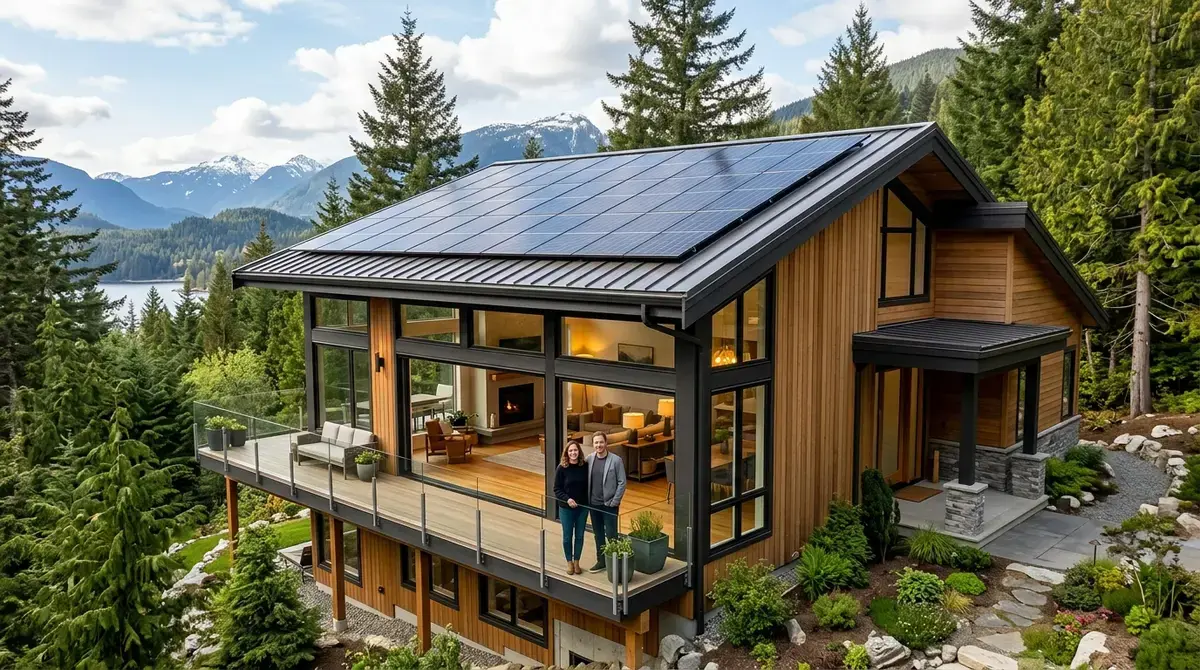
Conversely, homes equipped with modern energy-efficient systems command a premium. The Canadian Mortgage and Housing Corporation (CMHC) notes that energy-efficient homes sell 18% faster than their conventional counterparts. Features such as high-efficiency heat pumps, triple-pane windows, and robust insulation not only lower monthly utility bills but also appeal to environmentally conscious demographics.
David Chen, Director of Risk Assessment at the CMHC, emphasizes: "Climate resilience is no longer a fringe concern; it is a primary metric in residential appraisals. Homes that are fortified against extreme weather events and optimized for energy efficiency are seeing measurable valuation premiums across British Columbia."
Frequently Asked Questions (FAQ)
Does a messy house affect a professional appraisal?
A messy house does not directly impact the structural or market valuation during a professional appraisal, as appraisers look past clutter to assess the bones of the property. However, severe neglect that leads to damage—such as stained carpets, pest infestations, or mold—will negatively impact the final figure.
How much does a finished basement add to a home's worth?
A finished basement typically yields a return on investment of 70% to 75% of the renovation cost. If the finished basement includes a legal, self-contained rental suite, the added equity can be substantially higher due to the income-generating potential.
Do swimming pools increase property valuation in BC?
In British Columbia, swimming pools generally offer a poor return on investment, often recouping only 30% to 40% of their installation cost. Many buyers view pools as a maintenance burden and a safety liability, which can actually deter a segment of the market.
How do rising interest rates impact my home's equity?
Rising interest rates decrease buyer borrowing power, which typically cools market demand and stabilizes or lowers property prices. While your existing equity isn't directly erased, the price a new buyer is willing or able to pay for your home will likely decrease in a high-rate environment.
What is the difference between assessed value and market value?
Assessed value is calculated annually by BC Assessment strictly for municipal property tax purposes and relies on historical data from the previous July. Market value is the actual price a willing buyer will pay a willing seller in today's current open market, which is often significantly different from the tax assessment.
Does removing a bedroom to make a larger master suite decrease value?
Yes, in most cases, reducing the total bedroom count will negatively impact the property's market appeal and valuation. Homes are frequently filtered in real estate searches by bedroom count, and dropping from a three-bedroom to a two-bedroom home significantly shrinks the pool of potential family buyers.
Conclusion
Determining what drives residential pricing in British Columbia requires looking far beyond the simple aesthetics of a property. It is a multifaceted calculation that weighs the permanence of location, the integrity of the structure, the potential of the land, and the shifting tides of the global economy. Whether it is the proximity to a Skytrain station, the addition of a legal basement suite, or the stabilization of 2026 interest rates, every element plays a distinct role in the final appraisal.
If you are considering selling, refinancing, or simply want to understand how current market dynamics and zoning changes impact your specific property, professional guidance is essential. Don't rely on outdated tax assessments or automated online estimates to make major financial decisions. Contact us today to connect with our team of local real estate experts and get a precise, data-driven evaluation of your home's true market position.

Rob Visnjak Personal Real Estate Corp
Team Lead | ROB VISNJAK REAL ESTATE GROUP
or another way