
Published March 14, 2026
What Adds Value to a Home Before Selling in BC


If you’re wondering what adds value to a home before selling in BC, the best answers are usually practical improvements that make the property feel well-maintained, brighter, and cleaner. In British Columbia, strong value-adding updates commonly include fresh paint, structural or maintenance repairs, flooring improvements, curb appeal work, and energy-efficient upgrades. Vancouver-area resale guidance also highlights kitchens, bathrooms, basement improvements, and rental-suite potential as high-impact areas for buyers. Before deciding where to spend your budget, it helps to review a broader sell your home strategy so your upgrades support the way buyers actually shop in today’s real estate market.
Key Takeaways
-
Fresh paint, flooring updates, and curb appeal improvements often deliver strong resale impact for relatively modest cost.
-
Buyers usually value repaired roofs, windows, heating systems, and other core maintenance items more than cosmetic luxury upgrades.
-
Kitchen and bathroom refreshes tend to outperform many other renovations when the updates are clean, modern, and not overly custom.
-
Energy-efficient features can improve buyer appeal in BC because they reduce operating costs and make the home feel more future-ready.
-
A basement or suite-ready lower level can add meaningful value in markets where buyers care about flexibility and rental income potential.
The Upgrades Buyers Notice First
Fresh interior and exterior paint is one of the simplest ways to lift perceived value because it brightens rooms, hides wear, and gives the home a cleaner feel. BC appraisal guidance places paint among the higher-return improvements, estimating a 60% to 75% return on investment (ROI). Neutral colours tend to work best because they help buyers picture their own furniture and make spaces feel move-in ready rather than highly personalized.

Flooring is another high-impact category because worn carpet, scratched laminate, or mismatched materials make buyers assume the rest of the home has been neglected. BC appraisal guidance notes that flooring can return 100% or more when it replaces visibly tired surfaces with clean, durable finishes. Small visual upgrades also matter; updated lighting, hardware, faucets, and mirrors can quickly modernize a space without the need for heavy renovations.
Curb appeal matters before buyers even step inside the house. Exterior clean-up, landscaping, entry-door improvements, siding touch-ups, and visible maintenance can strongly influence both showing activity and buyer confidence. If your home is already live or has struggled to attract offers, reviewing common reasons why homes don’t sell can help you decide if poor presentation is costing you value.
The Improvements With the Best Resale Potential
Kitchen refreshes consistently rank near the top of value-adding projects because buyers see the kitchen as a major decision-making room. However, you do not need a full gut renovation to add substantial value. Updated cabinet fronts or fresh paint, better countertops, improved lighting, modern hardware, and newer appliances can make the room feel current without overspending on a luxury remodel.
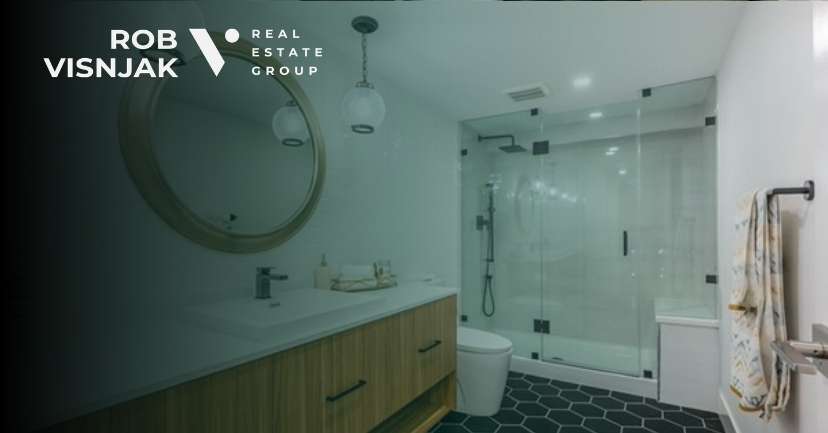
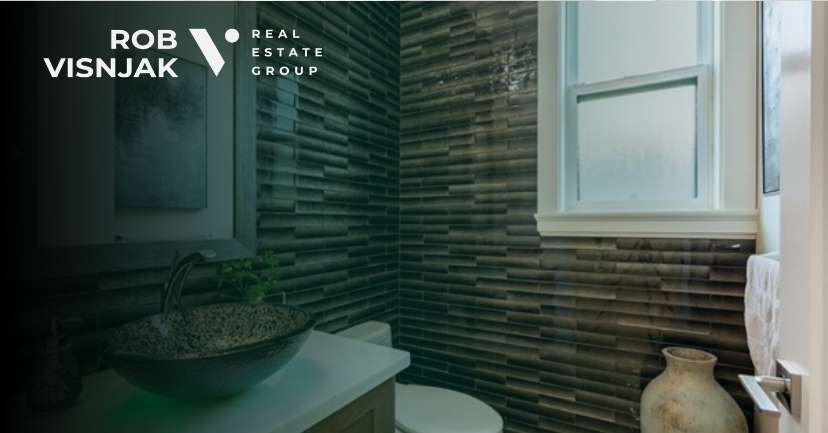
Bathroom improvements also add value when they focus on function and clean presentation rather than high-end spa extras. One industry source notes that bathroom upgrades can return up to 75% of the renovation cost when done correctly. Replacing dated vanities, improving mirrors, regrouting tile, upgrading fixtures, and fixing any moisture-related wear usually gives buyers more confidence than expensive design statements.
In parts of BC where income flexibility matters, basement improvements or a legal suite can meaningfully improve your resale appeal. Buyers are increasingly looking for mortgage help from rental income or require multigenerational living options. If you are unsure whether a specific renovation is worth doing, compare the likely resale impact against your current home value estimate to ensure you invest wisely.
The Repairs That Protect Your Price
One of the biggest mistakes sellers make is spending money on style before fixing obvious maintenance problems. Buyers usually punish deferred maintenance harder than they reward decorative upgrades, often overestimating the cost of repairs. BC appraisal guidance points to structural upgrades and major systems—such as the roof, windows, and heating—as priorities, estimating a 75% ROI because these repairs reduce buyer fear and negotiation leverage.
Energy-efficient upgrades can also strengthen your home's value because buyers increasingly care about their monthly ownership costs. BC guidance highlights heating and cooling improvements, efficient systems, and other energy-saving additions as desirable, often yielding a 50% to 75% ROI depending on the project. While these upgrades may not create a dramatic visual change, they make your home easier to justify against competing listings.
The practical rule for pre-sale improvements is simple: repair what would come up in a home inspection, refresh what buyers see immediately, and avoid overbuilding for your neighbourhood. That same mindset is useful when preparing your full sale timeline, because the right pre-listing work often shortens days on the market.
What Usually Adds Less Value Than Sellers Expect
Major custom renovations often disappoint at resale because buyers may not share your specific taste. Highly personalized finishes can narrow the pool of interested purchasers, even when the work completed was very expensive. Overspending on premium materials in an average-priced neighbourhood can also hurt your return because buyers compare your home to nearby sales, not to your renovation receipts.
Luxury upgrades tend to be riskier when they do not solve a real buyer problem. Installing ultra-high-end features in a starter home or replacing functional rooms simply because they are slightly dated rarely yields a positive return. In most cases, practical improvements like paint, flooring, lighting, and modest kitchen or bathroom updates do much more to improve saleability.
This is why the smartest pre-sale improvements usually follow a strict order of operations. Fix defects first, improve the home's overall presentation next, modernize the most visible rooms, and only consider larger projects if your local market clearly supports them.
Frequently Asked Questions
1. What adds the most value to a home before selling in BC?
Fresh paint, flooring, curb appeal, core repairs, kitchens, bathrooms, and energy-efficient improvements are among the most commonly cited value-adding updates.
2. Should I renovate the kitchen before selling?
Usually, a refresh is better than a full remodel; updated cabinets, counters, lighting, and appliances improve buyer appeal without the cost of a complete renovation.
3. Do bathrooms add value before selling?
Yes, especially when the work improves cleanliness, lighting, fixtures, and overall function rather than adding highly customized luxury elements.
4. Is curb appeal really that important?
Yes, because exterior presentation shapes buyer expectations before the showing even begins and can improve both perceived condition and initial interest.
5. What should I fix before doing cosmetic updates?
Prioritize the roof, windows, heating, structural issues, and other maintenance concerns first, since buyers react strongly to visible deferred maintenance.
6. Do energy-efficient upgrades help resale in BC?
They often do, because buyers value lower utility costs and improved comfort, making these upgrades worthwhile value-adders.
7. Will a basement suite add value?
In many BC markets, a finished or suite-capable lower level can improve appeal because buyers may want flexibility for rental income or multigenerational living.
8. What is the safest way to choose pre-sale upgrades?
Choose improvements that match your neighbourhood and buyer profile, focusing first on repairs, presentation, and the rooms buyers judge most heavily.
Conclusion
Understanding what adds value to a home before selling in BC is about balancing cost, effort, and buyer expectations. The highest returns consistently come from practical updates like fresh paint, upgraded flooring, essential maintenance repairs, and improved curb appeal rather than massive luxury remodels. By focusing on creating a clean, well-maintained, and modern-feeling space, you can justify a higher asking price and secure a faster sale in the competitive British Columbia real estate market.
Deciding exactly which upgrades to pursue can be overwhelming, but you do not have to make these decisions alone. The Rob Visnjak Real Estate Group can walk through your home and identify the specific, high-ROI improvements that will appeal most to buyers in your specific neighbourhood. If you are preparing to sell and want an expert opinion on where to invest your pre-listing budget, connect with us today. Let us help you maximize your home's value and achieve the best possible return on your investment.

Rob Visnjak Personal Real Estate Corp
Team Lead | ROB VISNJAK REAL ESTATE GROUP
or another way