
Published July 4, 2026
Relocating to Langley BC: A Complete Guide

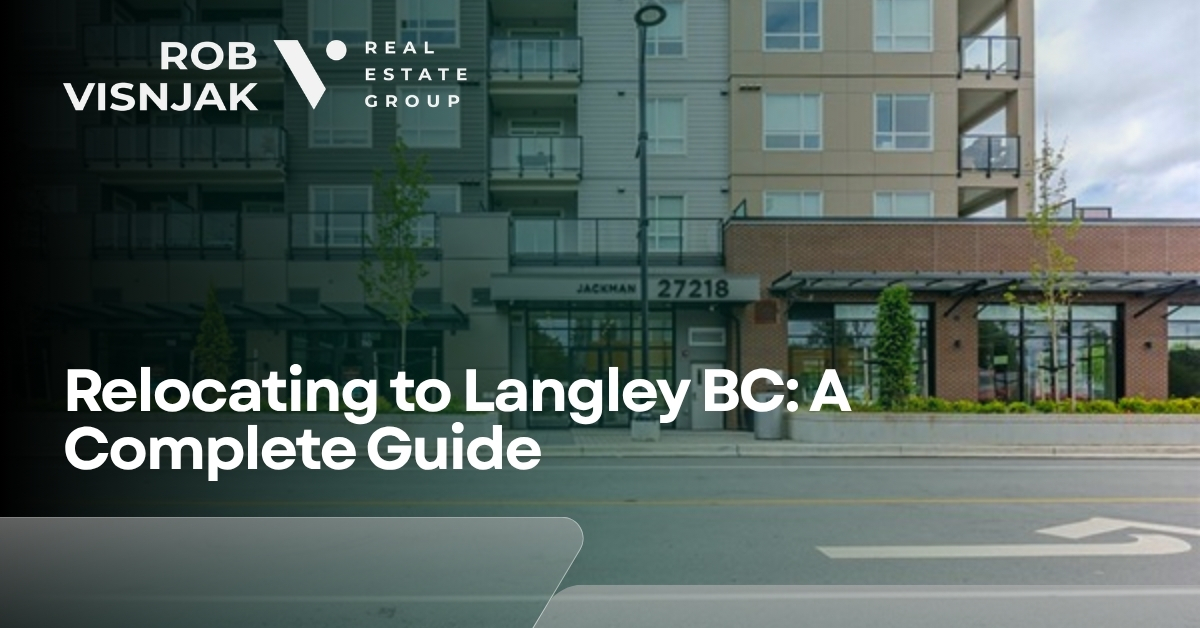
Relocating to Langley BC makes sense if you want more space, newer housing, and a family-oriented lifestyle without paying Vancouver prices. In 2026, Langley remains one of the Fraser Valley's most appealing move-up and relocation markets, but the trade-offs are real: traffic is heavy, car dependency is high, and not every neighbourhood fits every buyer.
The key to moving successfully is understanding that “Langley” is not one single lifestyle. Langley City offers a more urban, transit-oriented feel, while the Township of Langley includes fast-growing suburbs like Willoughby, established family communities like Walnut Grove, and more rural pockets such as Brookswood and Fort Langley. Your relocation plan should start with the neighbourhood, not just the price point.
Why People Move to Langley
The biggest reason people relocate to Langley is value. According to local 2026 market guidance, Langley's benchmark home price across all property types was about $965,600 in March 2026, which remains meaningfully lower than many Metro Vancouver municipalities while still offering more square footage and newer housing stock.
Beyond price, Langley appeals to buyers who want a practical day-to-day lifestyle. Families are drawn to newer schools, more townhome inventory, large parks, sports facilities, and neighbourhoods built around everyday convenience rather than dense urban living.
What to Expect Daily
Langley is easier to enjoy if you are comfortable driving. Even in the more central areas, many errands are still done by car, and major congestion points like Highway 1, 200 Street, and Fraser Highway can become frustrating during peak hours.
That said, daily life feels easier here for many households because amenities are spread throughout the community. Grocery stores, recreation centres, big-box retail, coffee shops, and family services are usually within a short drive, especially in Willoughby, Walnut Grove, and Langley City.

Best Areas to Consider
The best Langley neighbourhood for you depends on your budget, commute, and family stage.
· Langley City: Best for buyers who want walkability, softer condo pricing, and future SkyTrain upside.
· Willoughby Heights: Best for young families who want newer townhomes, modern schools, and strong resale demand.
· Walnut Grove: Best for established families who want a mature neighbourhood, recreation access, and Highway 1 convenience.
· Brookswood: Best for buyers who want larger lots, a quieter atmosphere, and more detached-home character.
· Fort Langley: Best for buyers seeking a premium heritage-style community with charm, boutique retail, and a unique village feel.
Neighbourhood Snapshot
|
Area |
Best For |
Housing Style |
Main Trade-Off |
|
Langley City |
Transit-minded buyers, investors |
Condos, older townhomes, mixed-use |
More density, less yard space |
|
Willoughby |
Young families |
Newer townhomes, condos, detached homes |
Traffic and rapid growth |
|
Walnut Grove |
Family buyers |
Detached homes, townhomes |
Less new inventory |
|
Brookswood |
Space and privacy |
Larger lots, detached homes |
More driving required |
|
Fort Langley |
Lifestyle buyers |
Character homes, luxury detached |
Premium pricing |
Schools, Parks, and Family Life
Langley is especially attractive to families because the lifestyle is built around space and routine. Local guidance for 2026 highlights Walnut Grove and Willoughby as two of the strongest school-focused choices, with Willoughby favored for newer infrastructure and Walnut Grove for established community feel.
Outdoor living is another major advantage. Campbell Valley Regional Park, Derby Reach, neighbourhood playgrounds, sports fields, and trails give Langley a more active and less crowded feel than many denser Lower Mainland municipalities.
Commute and Transit Reality
This is the section many relocation guides soften, but it matters. Langley is not a short Vancouver commute by current Lower Mainland standards, and buyers who need to be in Vancouver or Burnaby five days a week should think carefully before choosing a more eastern or rural pocket.
The long-term story is improving. The Surrey-Langley SkyTrain extension is a major reason buyers continue targeting Langley City and nearby corridors, but in 2026 the market is still living in the in-between stage: future transit upside is real, yet current car dependence is still part of daily life.
Buying a Home After You Move
If you are relocating from outside the Fraser Valley, do not shop by photos alone. The smartest approach is to get pre-approved, narrow your ideal neighbourhoods, and then spend time on the ground before submitting offers. A strong home buying checklist and local market guidance will save you from choosing the wrong pocket simply because a listing looks good online.
You should also build in protection during the offer process. In 2026, buyers in Langley still benefit from including financing and inspection subjects where appropriate, especially when purchasing older detached homes or unfamiliar property types. A proper home inspection is one of the best ways to reduce relocation risk before your purchase becomes firm.
Who Langley Fits Best
Langley is usually the right fit for buyers who value space, family routines, newer communities, and long-term upside more than urban walkability. It works especially well for young families, move-up buyers, and relocators leaving smaller, more expensive housing markets.
It is a weaker fit for buyers who want nightlife, fast rapid transit today, or a truly car-light lifestyle. If your ideal week depends on walking everywhere or commuting downtown daily without stress, Surrey or a closer-in municipality may be a better match.
Conclusion
Relocating to Langley BC can be an excellent decision if your priorities are space, community, and better housing value. The market offers real opportunity in 2026, especially for buyers who understand the difference between Langley City, Willoughby, Walnut Grove, Brookswood, and Fort Langley before they start shopping.
The smartest move is to compare neighbourhoods through the lens of your actual daily life: school needs, commute tolerance, property type, and five-year plan. If you want help comparing options, the Rob Visnjak Real Estate Group can help you map out the best fit before you buy.
Start with a consultation or browse active Langley listings to see which neighbourhood matches your relocation goals.
FAQ: Moving to Langley BC
Is Langley BC a good place to live?
Yes. Langley is a strong choice for buyers who want more space, strong family amenities, and better value than many parts of Metro Vancouver. Its main drawbacks are traffic, car dependency, and uneven commute times depending on the neighbourhood.
What is the best neighbourhood in Langley for families?
Willoughby Heights and Walnut Grove are usually the top family picks. Willoughby is better for newer housing and modern schools, while Walnut Grove offers a more established neighbourhood feel.
Is Langley cheaper than Vancouver?
Yes. In 2026, Langley still offers more home for the money than Vancouver and many nearby municipalities, even though prices have risen sharply over the last few years.
Do you need a car in Langley?
In most cases, yes. Some parts of Langley City are more walkable, but the overall lifestyle remains heavily car-dependent in 2026.
Should I move to Langley City or the Township?
Choose Langley City if you want a more urban feel, softer condo pricing, and future transit upside. Choose the Township if you want more family-oriented neighbourhoods, newer subdivisions, or larger lots.

Rob Visnjak Personal Real Estate Corp
Team Lead | ROB VISNJAK REAL ESTATE GROUP
or another way