
Published July 20, 2026
Property Disclosure Statement in BC Explained

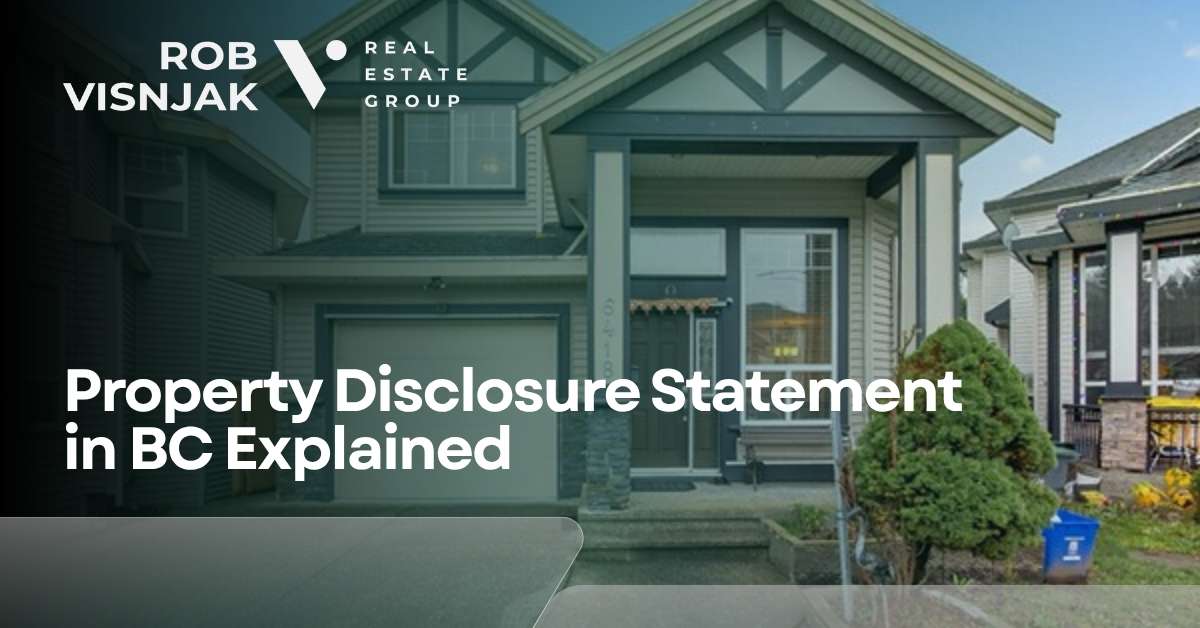
A Property Disclosure Statement (PDS) is a seller-completed form that outlines what the seller knows about the condition and history of a BC home. It is not a warranty, but it is one of the most important documents in a real estate transaction because it can reveal defects, risks, and past problems before the buyer removes subjects.
If you are comparing homes in Langley or Surrey, the PDS can help you spot issues that are not obvious during a showing.
What the PDS Is For
The PDS is designed to give buyers a written record of the seller's knowledge about the property. In BC, it is commonly used for detached homes, and sometimes for strata properties if the seller chooses to provide one. The form helps reduce surprises and gives both sides a clearer picture of the home's condition before a contract becomes firm.
· It records known defects, prior repairs, and past water intrusion.
· It can reveal whether major systems have been updated or repaired.
· It gives buyers a better basis for a subject-to-inspection decision.
What Sellers Usually Disclose
A typical BC PDS asks the seller to answer yes, no, or unknown to a long list of questions. These questions often cover major mechanical systems, water damage, drainage, and legal issues related to the property.
· Roof leaks, basement flooding, and drainage problems.
· Electrical upgrades, plumbing repairs, and heating system replacements.
· Renovations, permits, and whether work was done with proper approvals.
· Previous insurance claims involving water, fire, or structural damage.
· Neighbour disputes, easements, encroachments, or zoning-related issues.
What Buyers Should Watch For
Buyers should treat the PDS as a starting point, not the final word. A seller may not know every problem, and some items may be marked unknown. That is why the PDS should always be reviewed together with the home inspection, title search, strata documents, and your realtor's advice.
· Answers that contradict what you see during the showing.
· Repeated wording like 'unknown' for important systems.
· Any mention of past water damage, mold, or structural repairs.
· Recent renovations with no permit information.
Why the PDS Matters in BC Real Estate
The PDS matters because it can become evidence if a dispute arises later. If a seller knowingly leaves out material facts, the buyer may have grounds for a claim after closing. For that reason, sellers are advised to answer carefully and honestly, and buyers are advised to keep a copy with all contract documents.
In a competitive market, some buyers are tempted to waive their due diligence to win the home. That can be dangerous if the PDS contains warnings about leaks, permits, or repairs that deserve a closer look before you commit.
Typical Red Flags on a PDS
|
PDS Item |
Why It Matters |
Buyer Action |
|
Past roof leaks |
May signal hidden water damage |
Ask for repair receipts and inspection review |
|
Basement flooding |
Could indicate drainage failure |
Order a closer drainage assessment |
|
Unpermitted renovations |
May create insurance and resale issues |
Verify permits and ask the municipality |
|
Mold or mildew |
Can point to moisture problems |
Investigate with a home inspector |
|
Unknown answers |
Seller may lack knowledge or avoid disclosure |
Dig deeper during subject period |
How Buyers Should Use It
The best way to use a PDS is to compare it against the home inspection and the property's condition. If the PDS mentions a repaired leak, the inspector should check the same area for old stains, mold, or structural damage. If the form mentions renovations, ask whether permits were pulled and whether the work appears professional and complete.
A strong buyer uses the PDS to negotiate intelligently, not emotionally. It can help you request a price reduction, ask for repairs, or decide the home carries too much risk for your budget.
Limitations of the PDS
The PDS is only as good as the seller's knowledge and honesty. It does not replace a home inspection, and it does not guarantee that no problems exist. In BC, the best protection comes from combining the PDS with inspection, title review, and strata document analysis when applicable.
· Sellers may not know about hidden defects.
· Some forms are optional, especially for certain strata properties.
· The form is not a substitute for professional inspections.
Conclusion
A Property Disclosure Statement is one of the most useful documents in a BC home purchase because it gives you the seller's written version of the property's history. It can reveal leaks, permits, mold, renovations, and other details that affect value and risk. If you are buying in Langley or Surrey, reviewing the PDS carefully can help you avoid costly surprises later.
The smartest approach is to read the PDS alongside your home inspection and your realtor's advice so you can make a fully informed decision. If you need help evaluating a disclosure statement or comparing homes, the Rob Visnjak Real Estate Group can guide you through the process.
Book a consultation or search listings to start your home search with confidence.
FAQ: Property Disclosure Statement BC
Is a Property Disclosure Statement mandatory in BC?
No. It is commonly used, but not always mandatory. Some sellers provide it voluntarily, while others may decline to complete one depending on the property type and transaction.
Can a buyer rely only on the PDS?
No. The PDS should never replace a home inspection, title review, or strata review. It is one part of the overall due diligence process.
What if the seller leaves something out?
If a seller knowingly omits a material defect, the buyer may have legal grounds after closing. That is why buyers should keep copies of all disclosure documents.
Does the PDS cover strata properties?
Sometimes, but it is more commonly associated with detached homes. Strata buyers still need to review strata documents, depreciation reports, and minutes separately.
When should I review the PDS?
Review it as soon as you receive it, ideally before removing subjects. That gives you time to compare it with the inspection report and ask follow-up questions.

Rob Visnjak Personal Real Estate Corp
Team Lead | ROB VISNJAK REAL ESTATE GROUP
or another way