
Published August 3, 2026
Open House Tips for Buyers: What to Look For

An open house is your chance to look past the staging and figure out whether the home actually works for you. Treat it like a mini inspection, a neighborhood test drive, and a negotiation research session all in one.
In BC, buyers who attend open houses prepared usually spot more issues, ask sharper questions, and avoid emotional mistakes. The goal is not just to admire the property but to decide whether it deserves a second showing or a formal offer.
What to Check First
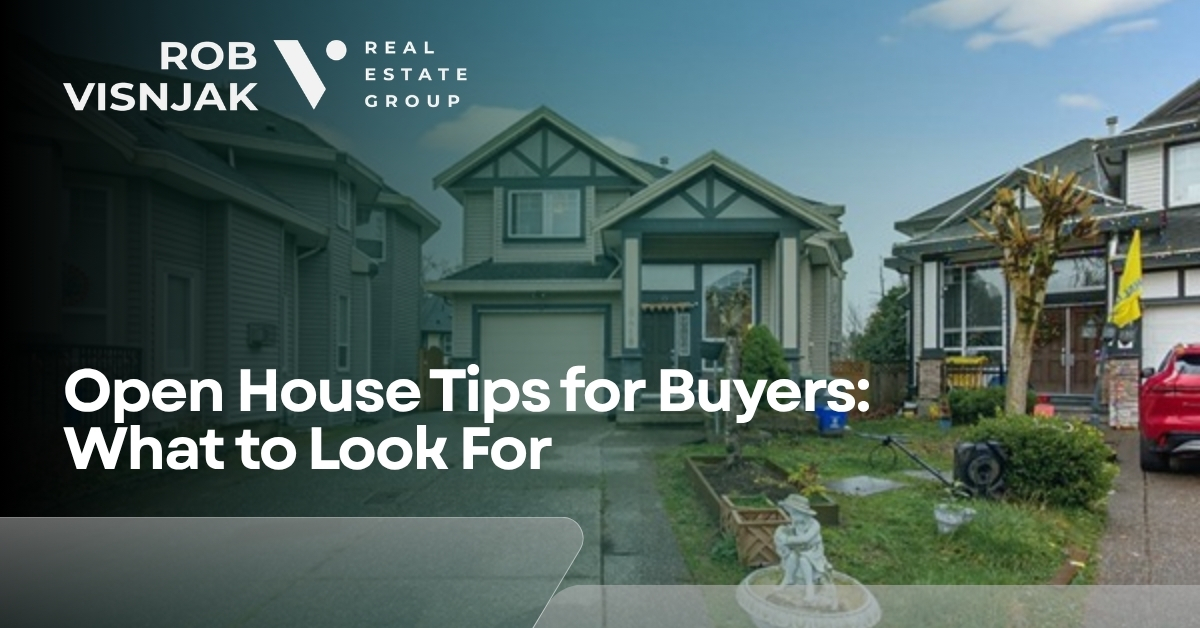
Start outside before you get distracted by the furniture and decor. Check the roofline, siding, windows, grading, gutters, and any visible cracks or drainage problems around the foundation.
· Look for water stains, moss, curling shingles, or uneven rooflines.
· Check whether the ground slopes away from the house or toward it.
· Watch for peeling paint, warped siding, or signs of recent patchwork repairs.
Inside the Home
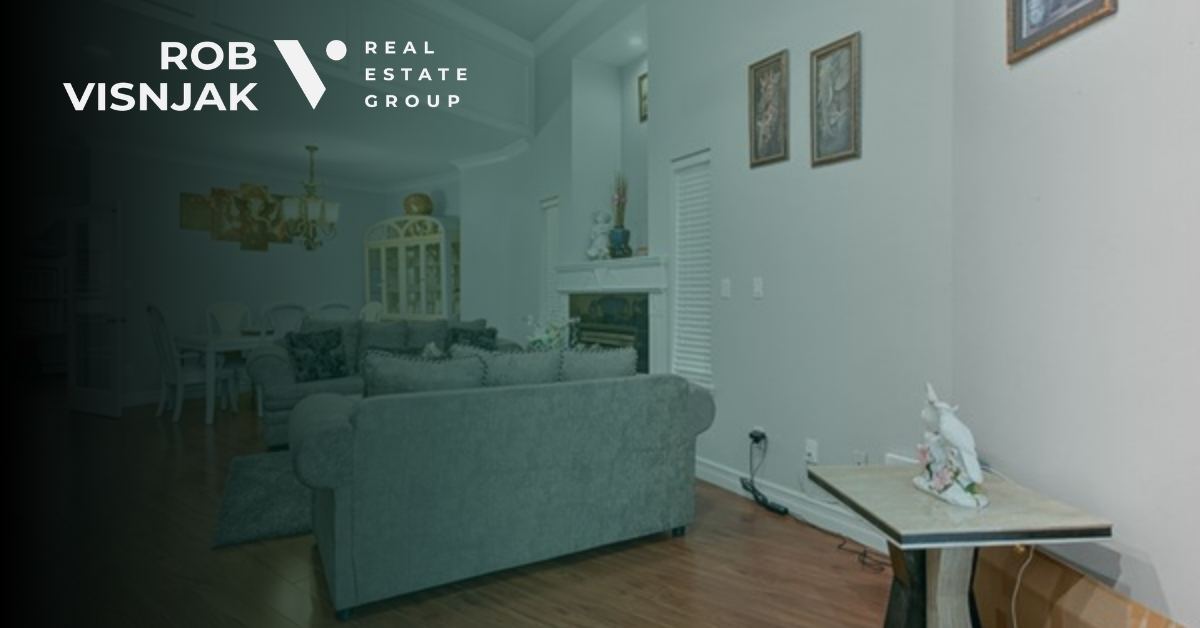
Once inside, focus on the bones of the property rather than the paint color. Open closets, look under sinks, test doors and windows, and pay attention to odors, temperature, and any obvious mismatched finishes.
· Look for cracks in ceilings and walls, especially around windows and doors.
· Check floors for soft spots, uneven areas, or excessive squeaking.
· Run faucets if possible and look for slow drainage or low water pressure.
· Smell for musty, smoky, or chemical odors that may signal hidden problems.
Layout and Lifestyle Fit
A beautiful home is still a bad buy if the layout does not fit your life. Think about furniture placement, bedroom separation, natural light, storage, noise, and how easily you can move through the home day to day.
· Ask whether the kitchen, living room, and bedrooms fit your routine.
· Check closet space, pantry space, garage storage, and laundry location.
· Stand quietly and listen for traffic, neighbors, or mechanical noise.
Questions to Ask
Use the open house to gather facts that the listing sheet may not tell you. Ask smart, specific questions about age, repairs, strata rules, and seller motivation.
1. How old are the roof, furnace, hot water tank, and windows?
2. Have there been any recent repairs, permits, or insurance claims?
3. How long has the home been listed and have there been price reductions?
4. If it is a condo or townhouse, are there any known strata issues or special assessments?
Neighborhood Checks
Do not judge the home without judging the street. Drive or walk the area at a different time of day, and notice traffic, parking, nearby schools, noise, and the condition of neighboring homes.
· Check commute routes and access to shops, parks, and transit.
· Look at the age and upkeep of nearby properties.
· If possible, visit during school pickup or rush hour to gauge real traffic patterns.
Quick Comparison
|
What to inspect |
Why it matters |
Red flag examples |
|
Exterior |
Protects against expensive damage |
Roof stains, cracks, poor drainage |
|
Interior |
Reveals maintenance and hidden issues |
Musty smells, stains, soft floors |
|
Layout |
Affects daily living |
Poor flow, lack of storage, noise |
|
Neighborhood |
Impacts value and lifestyle |
Traffic, parking problems, upkeep |
Conclusion
The best open house visitors are calm, curious, and selective. If a property passes the basic livability test, you can move forward with confidence and schedule a proper home inspection before removing subjects.
Working with an experienced real estate agent helps you interpret what you are seeing and avoid costly mistakes. If you are just getting started, browse active listings or book a consultation to build a smarter buyer strategy.
FAQ: Open House Tips for Buyers
Should I bring a checklist to an open house?
Yes. A checklist helps you stay focused on condition, layout, and location instead of getting distracted by staging.
Can I take photos at an open house?
Usually yes, but always ask first. Photos help you compare homes later and remember details.
What are the biggest red flags at an open house?
Water stains, odors, uneven floors, poor drainage, and signs of rushed cosmetic repairs are major warning signs.
Do I need my realtor at every open house?
No, but having your agent there can help you ask better questions and spot issues faster.
What should I do after an open house?
Review your notes, compare the property to others, and schedule a second showing if it still fits your needs.

Rob Visnjak Personal Real Estate Corp
Team Lead | ROB VISNJAK REAL ESTATE GROUP
or another way