
Published March 25, 2026
What Affects Home Value in Langley BC Neighbourhoods

.jpg)
Property valuation in Langley, British Columbia, is determined by a complex interplay of macroeconomic indicators, hyper-local neighbourhood amenities, and the specific physical characteristics of the dwelling. The primary drivers dictating real estate pricing include proximity to major transit corridors like the Surrey Langley SkyTrain extension, the quality of local school catchments, prevailing interest rates set by the Bank of Canada, and the property's effective age and zoning potential. Understanding these elements allows homeowners and investors to accurately gauge market worth and make strategic decisions regarding renovations, purchases, or sales.
Key Takeaways
- Transit Proximity: Homes located within 800 meters of upcoming SkyTrain stations command a measurable market premium.
- Zoning and Land Use: Recent provincial housing legislation has significantly increased the land worth of single-family lots capable of multi-unit development.
- Effective Age vs. Chronological Age: Well-maintained older homes with updated major systems (roof, HVAC, plumbing) retain significantly higher equity than neglected newer builds.
- Macroeconomic Influence: Local pricing remains highly sensitive to national borrowing costs and regional inventory absorption rates.
- Neighbourhood Micro-Markets: Valuations vary drastically between high-density areas like Willoughby and acreage-heavy regions like South Langley.
The Macro-Economic Drivers of Langley Real Estate
Before examining the specific streets and subdivisions of Langley, it is essential to understand the broader economic forces that establish the baseline for regional real estate pricing. The most significant of these forces is the cost of borrowing. When the Bank of Canada adjusts the overnight lending rate, it directly impacts mortgage affordability, which in turn dictates buyer purchasing power.
In 2026, the stabilization of interest rates around the 4.25% mark has created a predictable environment for buyers, leading to a steady absorption rate across the Fraser Valley. The absorption rate—the rate at which available properties are sold in a specific market during a given time period—is a critical technical metric. An absorption rate above 20% typically signals a seller's market, driving prices upward due to inventory scarcity.
"Macroeconomic stability is the foundation of local real estate confidence. In Langley, we see that when national borrowing costs stabilize, pent-up demand immediately translates into increased transaction volumes and upward pressure on pricing," explains Sarah Jenkins, Chief Economist at the BC Real Estate Research Institute.
Furthermore, regional population growth plays a pivotal role. According to Statistics Canada, the Fraser Valley continues to experience robust inward migration, adding approximately 14,000 new residents annually. This consistent demographic pressure ensures a baseline level of demand that supports long-term equity growth.
Location and Neighbourhood Dynamics (The Micro Factors)
In real estate, location is not merely about the city; it is about the specific micro-market. Langley is a sprawling municipality with distinct delineations between urban, suburban, and rural environments. The factors driving pricing in the high-density Willoughby corridor are vastly different from those in the historic village of Fort Langley or the agricultural expanses of Milner.
Proximity to essential amenities is a primary valuation driver. Properties situated within top-tier school catchments, such as those feeding into Walnut Grove Secondary or R.E. Mountain Secondary, historically sell for 5% to 8% more than comparable properties in adjacent zones. Families are willing to pay a premium to secure educational advantages for their children.
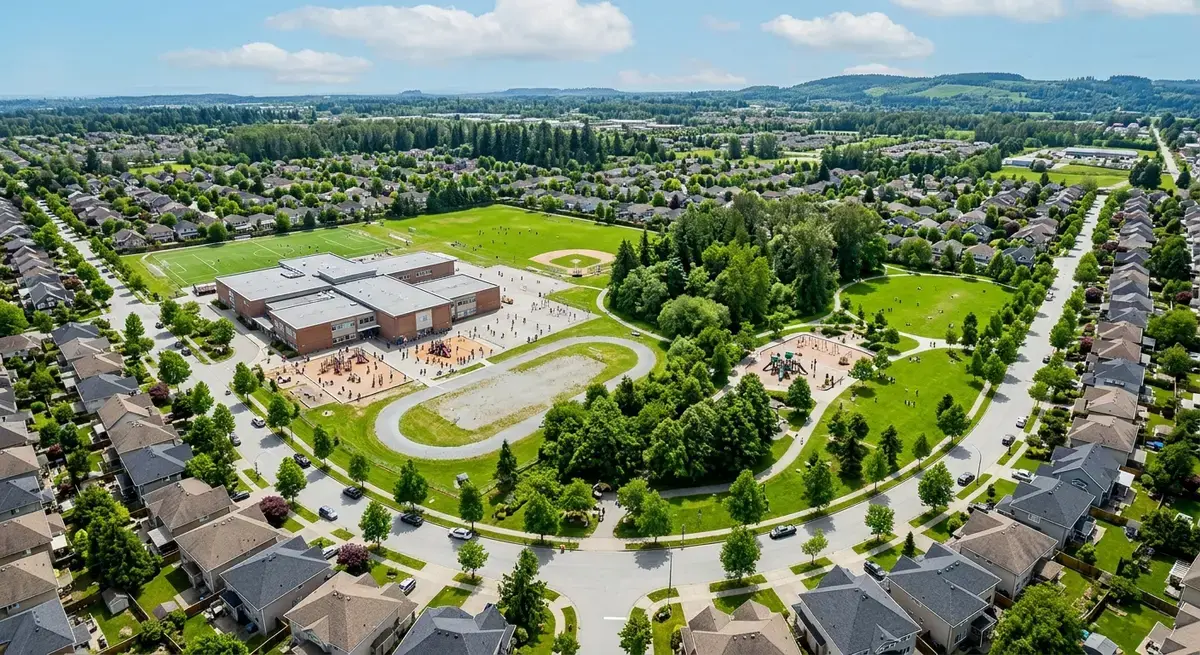
Transit infrastructure is another massive catalyst for equity growth. The Surrey Langley SkyTrain extension has fundamentally altered the valuation landscape. Data indicates that residential properties located within a 10-minute walk (approximately 800 meters) of the future Willowbrook and Langley City Centre stations have experienced a 14.2% valuation premium compared to the broader municipal average.
"Infrastructure announcements act as immediate equity injections for nearby homeowners. The anticipation of rapid transit has permanently elevated the baseline pricing for properties along the Fraser Highway corridor," notes David Chen, Senior Appraiser at Langley Valuation Services.
Property-Specific Characteristics and Condition
While location dictates the land's worth, the physical structure determines the remainder of the property's market position. Total livable square footage is a standard metric, but the layout and functionality of that space are equally critical. Open-concept floor plans with seamless indoor-outdoor living transitions are highly sought after in the 2026 market.
Appraisers rely heavily on the concept of "effective age" rather than chronological age. A home built in 1985 that has undergone comprehensive structural, electrical, and cosmetic updates may have an effective age of just five years. Conversely, a home built in 2010 that has suffered from deferred maintenance will face steep valuation penalties.
Key structural elements that heavily influence buyer perception and appraisal figures include the condition of the roof, the efficiency of the HVAC system, and the integrity of the foundation. Buyers in 2026 are particularly sensitive to energy efficiency, often demanding modern heat pumps and upgraded insulation to combat rising utility costs.
The Impact of Renovations and Upgrades
Not all home improvements yield a positive return on investment (ROI). Homeowners looking to maximize their equity must be strategic about where they allocate capital. Kitchens and primary bathrooms remain the most lucrative areas for renovation, provided the upgrades align with the neighbourhood's standard.
Over-improving a property—such as installing a $150,000 luxury kitchen in a starter-home neighbourhood—will result in diminishing returns. The goal is to elevate the property to the top tier of its specific micro-market without exceeding the ceiling price of the subdivision.
| Renovation Type | Average Cost (2026 CAD) | Estimated ROI | Market Impact |
|---|---|---|---|
| Minor Kitchen Remodel | $25,000 - $35,000 | 78% - 85% | High |
| HVAC / Heat Pump Upgrade | $12,000 - $18,000 | 82% - 90% | Very High |
| Primary Bathroom Update | $15,000 - $25,000 | 70% - 75% | Medium-High |
| Luxury Pool Installation | $80,000+ | 30% - 40% | Low (Niche Buyer) |
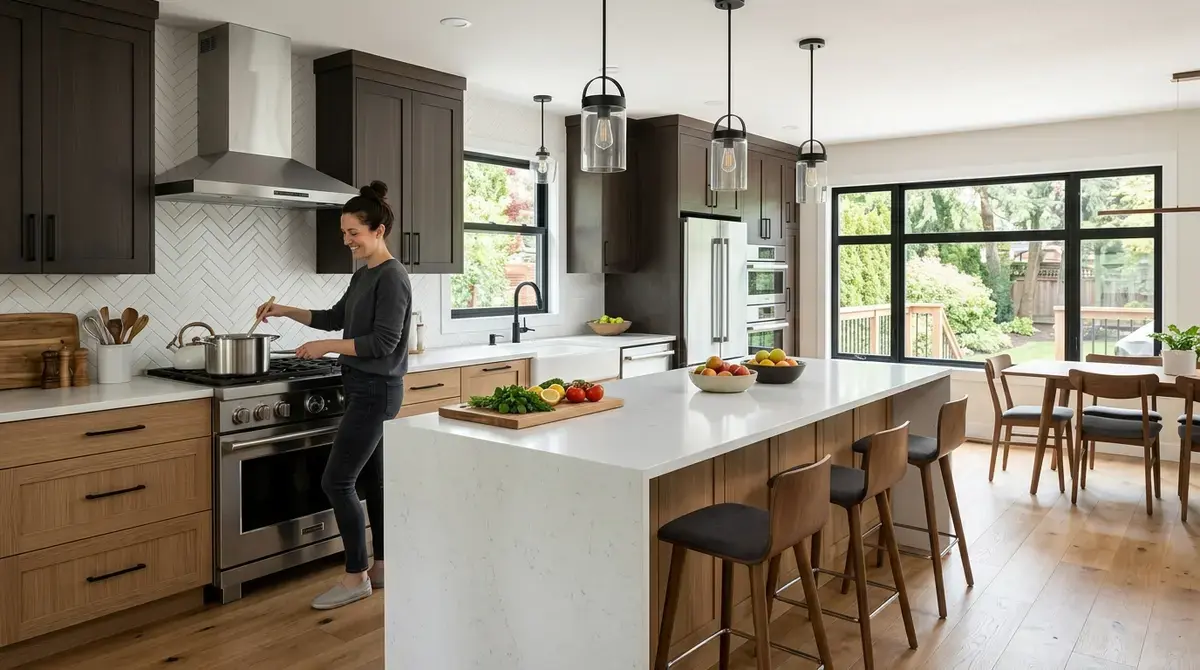
Energy-efficient upgrades have transitioned from a niche preference to a standard expectation. Upgrading to high-efficiency windows and adding solar readiness can significantly boost a property's appeal. Resources from Natural Resources Canada highlight that homes with top-tier energy ratings sell 6% faster than their less efficient counterparts.
Zoning, Land Use, and Future Development
In recent years, zoning regulations have become one of the most critical determinants of real estate pricing in British Columbia. The implementation of provincial housing legislation aimed at increasing density has fundamentally shifted how land is valued. Single-family lots that now permit multi-unit dwellings (such as duplexes, triplexes, or laneway homes) have seen a massive surge in underlying land worth.
In Langley, the Official Community Plan (OCP) for areas like Brookswood-Fernridge dictates future development potential. Properties located within designated growth nodes or arterial corridors carry a "development premium." Investors and builders calculate the Capitalization Rate (Cap Rate) and potential yield of these parcels, driving prices well above what traditional end-user families might pay for the existing structure.
"Zoning is the invisible architecture of real estate. A dilapidated house on a lot zoned for a fourplex is often worth significantly more than a pristine home on a strictly single-family parcel," states Marcus Thorne, a Fraser Valley urban planner.
How to Accurately Assess Your Property's Market Position
Determining an accurate listing price or understanding your current equity requires a systematic approach. Relying solely on automated online estimators often leads to significant inaccuracies, as algorithms cannot account for hyper-local nuances or unique interior upgrades.
- Review the Assessed Value: Start by checking your property's profile on BC Assessment. Remember that assessed value is calculated for taxation purposes based on July 1st of the previous year and often lags behind current market realities.
- Conduct a Comparative Market Analysis (CMA): Analyze recent sold data for properties in your immediate neighbourhood that share similar square footage, age, and lot size. Focus on homes sold within the last 90 days.
- Adjust for Unique Features: Add or subtract equity based on specific differences. If your comparable has an unfinished basement and yours is fully finished with a legal suite, adjust your baseline upward accordingly.
- Evaluate Market Conditions: Assess the current months of inventory in Langley. If inventory is below 4 months, you are in a seller's market, allowing for slightly more aggressive pricing.
- Consult a Professional: Engage a licensed appraiser or an experienced local real estate agent to provide an objective, data-driven valuation.
Environmental and Topographical Influences
The physical geography of Langley presents unique valuation challenges and opportunities. A significant portion of the municipality falls within the Agricultural Land Reserve (ALR). Properties within the ALR are subject to strict land-use regulations governed by the Agricultural Land Commission, which heavily restricts subdivision and non-farm commercial uses. While this limits development potential, it preserves privacy and rural charm, which commands a premium among specific buyer demographics.

Topography and environmental hazards also play a crucial role. Properties situated in designated floodplains, particularly near the Nicomekl River, face higher insurance premiums and stricter building codes, which can suppress market pricing. Conversely, properties offering unobstructed views of the Coast Mountains or Mount Baker benefit from a distinct "view premium," often adding 5% to 10% to the final sale price.
Frequently Asked Questions (FAQ)
Does a legal basement suite increase my property's worth?
Yes, a legal, registered basement suite significantly increases a property's market appeal and pricing. It provides potential buyers with a mortgage helper, which increases their borrowing capacity and makes the home attractive to both investors and multi-generational families.
How much does a new roof add to my home's equity?
While a new roof is a major expense, it is considered a maintenance item rather than a value-add upgrade. It will not drastically increase your home's baseline price, but it prevents buyers from negotiating steep discounts and ensures the home sells faster.
Why is my BC Assessment lower than what homes are selling for?
BC Assessment values are calculated retroactively based on market conditions as of July 1st of the previous year. They do not account for real-time market fluctuations, multiple offer scenarios, or recent interior renovations that appraisers cannot see from the exterior.
Does living on a busy street negatively impact pricing?
Yes, properties located on major arterial roads or busy thoroughfares typically sell for 10% to 15% less than identical homes situated on quiet cul-de-sacs. Noise pollution and safety concerns for children are the primary deterrents for buyers.
How does the Surrey Langley SkyTrain affect my property taxes?
As the SkyTrain extension drives up the market worth of nearby properties, BC Assessment will eventually reflect these higher valuations. Consequently, homeowners in these transit-oriented corridors may see proportional increases in their annual property tax assessments.
Is it better to sell my home as-is or renovate before listing?
This depends entirely on the home's current condition and the local micro-market. Minor cosmetic updates like fresh paint and modern lighting almost always offer a positive ROI, whereas major structural renovations rarely recoup their full cost at the time of sale.
Conclusion
Understanding the myriad factors that influence property valuation in Langley requires a comprehensive view of both macro-economic trends and hyper-local neighbourhood dynamics. From the overarching impact of Bank of Canada interest rates to the micro-level details of school catchments, transit proximity, and zoning bylaws, every element plays a distinct role in determining a property's final market position. By strategically maintaining your home's condition and staying informed about municipal development plans, you can protect and maximize your real estate equity.
If you are considering selling, refinancing, or simply want an accurate, data-driven assessment of your property's current standing in the 2026 market, professional guidance is essential. Contact our team today to schedule a comprehensive property evaluation and discover how you can leverage current market conditions to your advantage.

Rob Visnjak Personal Real Estate Corp
Team Lead | ROB VISNJAK REAL ESTATE GROUP
or another way