
Published December 16, 2025
How to Stage a House for Sale to Maximize Your Sale Price


In the highly competitive real estate markets of Langley and Surrey, BC, the initial moments of a property viewing are absolutely critical. Knowing how to stage a house for sale effectively can define the entire sales trajectory. Whether you are listing a contemporary condo in the heart of Willoughby or a spacious detached family home in Cloverdale, the way your property is presented matters. A well-executed presentation can mean the difference between a swift sale at a premium price and a listing that stagnates on the market, eventually requiring price reductions. Homeowners often underestimate the psychological impact of a first impression, but in a market where buyers are discerning and options are plentiful, standing out is not just an advantage—it is a necessity.
At the Rob Visnjak Real Estate Group, we understand that selling a home is one of the most significant financial transactions our clients will ever undertake. We pride ourselves on providing straight talk, smart strategy, and a promise of quality that permeates every aspect of our service. We view effective home staging not merely as decoration or interior design, but as a sophisticated strategic marketing tool. It is the art of highlighting a home's best architectural features while subtly obscuring its flaws, creating a polished environment where buyers can instantly envision themselves living and thriving.
Staging goes beyond simply cleaning and tidying; it is about creating an emotional connection that resonates with a broad range of potential buyers. When a buyer walks into a staged home, they are not just looking at walls and floors; they are buying into a lifestyle. Our goal is to facilitate that connection by removing the distractions of the seller's personal life and replacing them with a neutral, inviting canvas. This approach reinforces our commitment to results-driven service, ensuring that every property we represent is positioned to attract the highest number of serious offers in the shortest amount of time.
This comprehensive guide is designed to walk you through the proven, actionable steps required to stage your home effectively for the Fraser Valley market. From the crucial preparatory work of decluttering and depersonalizing to the final touches that create curb appeal, we provide the expertise you need to navigate this process with confidence. It is also beneficial to review our monthly market reports to understand the current competition levels in your specific neighborhood before you begin. By following these guidelines, you align your property with the high standards of the Rob Visnjak Real Estate Group, ensuring you are fully prepared to maximize your sale price and achieve a successful closing.
Key Takeaways
-
High ROI: Staged homes can see a return on investment of over 500%, often selling for significantly over the list price.
-
Faster Sales: Properties that are professionally prepared spend far less time on the market compared to non-staged homes.
-
First Impressions Matter: Curb appeal and a clutter-free entryway set the tone for the entire viewing experience.
-
Neutralize to Appeal: Removing personal items allows buyers in Langley and Surrey to project their own lives onto the space.
-
Light is Key: Proper lighting makes spaces feel larger and more welcoming, a crucial factor in the darker Pacific Northwest months.
The Power of First Impressions: Why Staging Matters
When a potential buyer walks into a home, they make a judgment within the first few seconds. This initial reaction is deeply psychological; it sets the tone for the entire tour and can heavily influence their perception of value. A well-staged home communicates care, quality, and move-in readiness, instantly positioning it above other properties. It allows buyers to emotionally connect with the space, transforming a simple structure of walls and floors into a potential future. This emotional bridge is what motivates a strong offer, as buyers are not just purchasing a property but investing in a lifestyle.

In today's digital-first market, the first impression often happens online. Buyers scroll through hundreds of listings, and professional-quality photos of a beautifully staged home are essential to stop that scroll. Data from the Real Estate Staging Association (RESA) shows that for every $1 invested in professional staging, sellers saw an average return of over $23. This powerful statistic underscores that staging is not an expense but a high-yield investment. It attracts a larger pool of serious buyers, increases the number of showings, and creates a sense of urgency and competition that drives up the final sale price.
For sellers in the dynamic markets of Langley and Surrey, where buyer expectations are high, staging is a critical differentiator. An unstaged home, especially if it is vacant or cluttered, forces buyers to use their imagination—a task many are unwilling or unable to do effectively. They may struggle to gauge room sizes, visualize furniture placement, or overlook cosmetic imperfections. A well-staged home removes this guesswork. It presents a clear, appealing vision of how each space can be used, making the property feel both aspirational and attainable.
Ultimately, staging is about strategic marketing. It’s about presenting your product—your home—in its absolute best light to the widest possible audience. It minimizes the property's perceived flaws and accentuates its strengths, whether that's highlighting architectural details, maximizing natural light, or showcasing a functional floor plan. A staged home feels well-maintained and loved, giving buyers the confidence to make a swift, competitive offer, knowing they are investing in a quality asset. This is the core principle that leads to faster sales and higher returns.
Preparation: Declutter, Depersonalize, and Repair
The foundational step of any successful staging project is aggressive decluttering. Clutter consumes equity by making rooms feel smaller, more chaotic, and less functional. Potential buyers need to see the space, not the seller's belongings. This process involves more than just tidying up; it means critically evaluating every single item in every room. A good rule of thumb is to remove at least half of the items from all closets, shelves, and surfaces. This not only creates a sense of spaciousness but also showcases the ample storage your home offers—a major selling point for any buyer.
Equally important is the process of depersonalization. Buyers need to be able to envision their own lives and memories in the home, which is impossible if the current owner's personality dominates the space. This means packing away family photographs, children's artwork, personal collections, and any items of a religious or political nature. While these items are cherished parts of your life, to a buyer, they are distractions. By creating a neutral, inviting canvas, you allow a broader range of potential buyers in the diverse Langley and Surrey communities to mentally "move in" and form an emotional connection to the property.
Once the home is decluttered and depersonalized, the next step is to conduct a thorough audit of necessary repairs. Small, nagging issues that you may have learned to live with can be major red flags for a buyer. A dripping faucet, a sticky door, a cracked tile, or a scuffed baseboard can collectively signal a lack of maintenance. These minor flaws can lead buyers to wonder what larger, more expensive problems might be lurking beneath the surface. Creating a detailed "honey-do" list and methodically addressing each item is crucial for presenting a well-cared-for home.
Finally, a deep, professional-level clean is non-negotiable. This goes far beyond a standard weekly cleaning. Every surface should sparkle, from the inside of the oven to the grout in the bathroom tiles and the tracks of the windows. Carpets should be shampooed, hardwood floors polished, and any lingering odors from pets or cooking must be eliminated. A spotlessly clean home communicates to buyers that the property has been meticulously maintained and cared for, building trust and reinforcing the home's value before negotiations even begin.
Room-by-Room Staging Guide
The living room is often the centerpiece of a home and a buyer's decision. Its primary goal is to feel spacious, welcoming, and functional. Arrange furniture into conversational groups, pulling pieces away from the walls to create flow and intimacy. If the existing furniture is oversized, worn, or dated, consider renting a few key pieces to set the right tone. The key is to define the space without overwhelming it. Use a neutral area rug to anchor the main seating area and introduce texture. Finish the room with simple, elegant accessories like a few curated books on the coffee table, a stylish throw blanket, and a couple of vibrant, new pillows to add a pop of color.
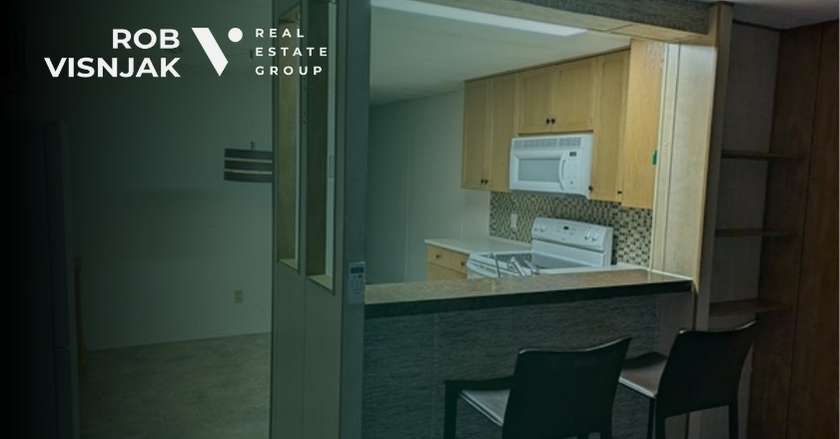
As the heart of the home, the kitchen can single-handedly sell a property. Countertops should be almost entirely clear to showcase the available workspace. Remove all magnets and papers from the refrigerator and store away small appliances like toasters and blenders. A bowl of fresh fruit, such as green apples or lemons, can add a touch of color and life. If your cabinets are dated, a professional paint job and new, modern hardware can provide a remarkable transformation for a minimal investment. Ensure the space is brightly lit, replacing any dim or burnt-out bulbs with bright, warm LEDs.
The primary bedroom must be presented as a serene, restful retreat—a private escape from the stresses of daily life. The bed should be the undeniable focal point, dressed in luxurious, hotel-style white or neutral bedding with plenty of plush pillows. Remove any personal clutter, exercise equipment, or televisions that can detract from the tranquil atmosphere. Flank the bed with two matching nightstands and lamps to create a sense of symmetry and balance. The goal is to sell the promise of relaxation and comfort, making buyers feel like they have stepped into a five-star suite.
Don't overlook the bathrooms. These spaces should feel like a spa. Clear everything from the countertops except for a single bottle of nice hand soap and perhaps a small orchid or a new, folded white hand towel. Invest in a new, fluffy set of white bath towels, a clean shower curtain, and a stylish bath mat. Thoroughly scrub all grout and re-caulk around the tub and sink if needed. Good lighting and a sparkling clean mirror are essential to making the space feel bright, clean, and inviting.
Curb Appeal: The "Drive-By" Factor
The first judgment a buyer makes happens before they even step out of their car. Your home's exterior, or its curb appeal, sets the expectation for everything inside. In a market where buyers often do a preliminary "drive-by" of a property, a compelling exterior can be the deciding factor in whether they book a showing. Start with the landscaping; a freshly mowed lawn, neatly trimmed hedges, and weed-free garden beds are fundamental. Add a fresh layer of dark mulch and plant seasonal flowers near the entryway to create a vibrant, welcoming first impression that signals a well-tended home.
Exterior maintenance is just as critical as the landscaping. A pressure washer is a powerful tool for instantly removing years of dirt and grime from siding, walkways, driveways, and decks—a common issue in the damp climate of the Pacific Northwest. Take a close look at the exterior paint; if it's peeling or faded, a fresh coat can dramatically boost value. At a minimum, consider painting the front door a bold, sophisticated color like charcoal grey, deep navy, or classic black. This simple update provides a modern touch and creates a memorable focal point.
Lighting and details play a surprisingly significant role in curb appeal. Ensure all exterior light fixtures are clean, functional, and free of cobwebs. Consider updating them if they are dated. House numbers should be stylish, clearly visible from the street, and in good condition. A brand-new welcome mat is a small but impactful investment that reinforces the sense of a fresh start. These details collectively contribute to an impression of quality and attention to detail that buyers will notice and appreciate.
Finally, think about creating a cohesive and inviting entry sequence. The path from the street to the front door should be clear and appealing. Place one or two large, elegant planters with fresh greenery or flowers on either side of the door to frame the entrance. Ensure the doorbell is working and the door hardware is polished and clean. The goal is to make the experience of approaching your home feel welcoming and impressive, drawing buyers in and making them eager to see what lies inside.
Professional Staging vs. DIY
Deciding between hiring a professional stager and taking a Do-It-Yourself (DIY) approach is a significant consideration for sellers. Professional staging is a full-service solution where experts use their design skills, market knowledge, and inventory of on-trend furniture to showcase your home to its maximum potential. The primary benefit is expertise; a professional sees your home with a buyer's objective eye and knows exactly how to arrange spaces to improve flow, highlight features, and photograph beautifully. This is particularly valuable for vacant homes, which can feel cold and uninviting, or for homes with awkward layouts that are difficult for buyers to visualize.

The cost is the main deterrent for many when considering professional staging. In the Vancouver and Fraser Valley markets, a comprehensive staging package can range from $2,000 for a small condo to over $5,000 for a larger family home. While this is a notable upfront expense, it's crucial to view it as an investment rather than a cost. The data consistently shows that professionally staged homes not only sell faster but also command a higher sale price, with the return on investment often far exceeding the initial outlay. Professional stagers handle all the logistics, from furniture delivery to removal, saving you significant time and stress during the already hectic selling process.
On the other hand, a DIY approach can be highly effective for sellers who have a good eye for design, are willing to put in the physical effort, and are on a tighter budget. DIY staging involves applying the core principles of decluttering, depersonalizing, and neutralizing using your own furniture and thoughtfully purchased accessories. This approach, sometimes called "soft staging," can be very powerful. The key to success is an unwavering commitment to objectivity. Sellers must be willing to pack away cherished but stylistically specific items and rearrange rooms for optimal flow, not personal comfort.
Ultimately, the best choice may be a hybrid approach. You might handle the deep cleaning, repairs, and decluttering yourself, and then bring in a professional for a one-time consultation. For a few hundred dollars, a stager can walk through your home and provide a detailed, room-by-room action plan that you can execute yourself. This allows you to benefit from professional expertise while managing costs. You can check our client testimonials to see how our guidance has helped others succeed, or let the Rob Visnjak Real Estate Group provide guidance on which strategy makes the most sense for your specific property, budget, and timeline.
Frequently Asked Questions (FAQ)
1. Is home staging really worth the cost in Langley?
Yes. Staged homes in our area sell faster and often for more money. The investment is typically less than the first price reduction you might have to make if the home sits on the market.
2. Can I stage my home myself?
Absolutely. DIY staging is effective if you follow the principles of decluttering, neutralizing, and repairing. However, professional stagers have inventory and expertise that can elevate the look further.
3. Do I need to stage every room?
No. Focus your budget on the main living areas, kitchen, dining room, and primary bedroom. Secondary bedrooms and bathrooms are less critical but should still be clean and clutter-free.
4. What if my home is empty?
Empty homes actually take longer to sell because buyers struggle to gauge the scale of rooms. Virtual staging or renting key furniture pieces for the main rooms is highly recommended.
5. How much does staging cost in Surrey, BC?
For a standard detached home, expect to pay between $2,500 and $5,000 for a full staging package. Condo staging typically costs between $1,800 and $3,000.
6. What is the most important room to stage?
The living room is widely considered the most important, followed closely by the kitchen and the primary bedroom.
7. Should I paint my walls before selling?
If your walls are marked, dark, or a highly personalized color, yes. A fresh coat of neutral paint (like Sherwin Williams "Alabaster" or similar) offers one of the highest returns on investment.
8. How does Rob Visnjak Real Estate Group help with staging?
We provide a comprehensive consultation as part of our listing strategy. We can recommend trusted local stagers or guide you through a DIY plan to ensure your home shines.
9. Does staging hide problems with the house?
Staging should never be used to hide material defects. Its purpose is to showcase the home's potential and flow, not to deceive buyers about condition issues.
Conclusion
Home staging remains one of the most powerful and effective marketing strategies available to sellers in today's real estate market. It is a calculated investment that goes beyond simple aesthetics to fundamentally shift how a property is perceived by potential buyers. By transforming a house into a welcoming, idealized home, you enable buyers to form the critical emotional connection that precedes a purchase offer. This psychological bridge is what separates listings that sell quickly for top dollar from those that linger on the market. In the competitive landscapes of Langley and Surrey, giving your home this distinct advantage is key to achieving your financial goals.
The process of staging, whether done personally or by professionals, encourages a discipline of preparation that benefits the entire sale. The acts of decluttering, depersonalizing, and repairing not only beautify the space but also signal to buyers that the home has been meticulously maintained. This transparency builds trust and reduces the friction often found during inspections and negotiations. When a buyer walks into a pristine, well-lit, and thoughtfully arranged environment, their focus shifts from looking for flaws to imagining their future, making the path to a successful closing significantly smoother.
While the upfront effort and potential cost of staging can seem daunting, the return on investment is undeniable. Statistics consistently show that staged homes sell faster and for higher prices than their unstaged counterparts. By viewing staging as a necessary component of your marketing plan—much like professional photography or online advertising—you position yourself to extract the maximum equity from your property. It is a proactive step that puts you in control of the selling narrative, ensuring that your home is seen as a premium product in a crowded marketplace.
At the Rob Visnjak Real Estate Group, we are dedicated to guiding you through every step of this journey. We believe that every home has a unique story to tell, and our expertise lies in helping you tell that story in the most compelling way possible. If you are ready to maximize your home's value and sell with confidence, we invite you to Connect with the Rob Visnjak Real Estate Group today. Let us provide you with a personalized home valuation and a tailored staging strategy that puts your needs first and delivers the results you deserve.

Rob Visnjak Personal Real Estate Corp
Team Lead | ROB VISNJAK REAL ESTATE GROUP
or another way