
Published December 18, 2025
How to Stage a Home for Sale on a Budget


In the competitive real estate markets of Langley and Surrey, BC, presenting a property that shines is essential, but it does not require a luxury budget. Many homeowners mistakenly believe that knowing how to stage a home for sale effectively involves expensive rental furniture and high-end interior designers. The reality is that strategic, cost-effective updates can often yield a higher return on investment than major renovations. By focusing on cleanliness, flow, and key aesthetic improvements, you can transform your home into a market-ready showstopper using resources you already have. This approach allows you to preserve your equity while still creating the "wow" factor that drives offers.
At the Rob Visnjak Real Estate Group, we specialize in helping our clients navigate the sales process with practical, high-impact strategies. We understand that every dollar counts when you are preparing to sell, especially in a fluctuating economic climate. Our philosophy centers on "smart staging"—prioritizing the changes that buyers actually notice and value, rather than spending money on unnecessary frills. Whether it's rearranging existing furniture to maximize space or applying a fresh coat of paint to brighten a room, our guidance is grounded in what works specifically for the Fraser Valley buyer demographic.
Staging on a budget is largely about sweat equity and an objective eye. It involves stripping away the personal layers of a home to reveal its architectural potential. This process can be emotional, as it requires you to view your personal sanctuary as a product for sale. However, by adopting a neutral perspective, you can make decisions that appeal to the broadest possible audience. Simple actions like decluttering closets, deep cleaning carpets, and updating dated hardware can have a disproportionately positive effect on a buyer's perception of value, making a well-loved home feel fresh and new.
This guide will provide you with a roadmap for budget-friendly staging that delivers professional-level results. We will cover everything from the art of decluttering and "shopping your own home" to inexpensive curb appeal hacks that set a positive tone before a buyer even steps inside. By following these steps, you can confidently list your home knowing that you have maximized its appeal without draining your bank account. You will learn that effective staging is less about spending money and more about strategic preparation and presentation.
Key Takeaways
-
Declutter for Value: Removing 50% of your items costs nothing but significantly increases perceived square footage.
-
Light is Luxury: Cleaning windows and increasing bulb wattage are the cheapest ways to make a home feel premium.
-
Paint Pays Off: A gallon of neutral paint is the highest-ROI investment you can make for under $100.
-
Curb Appeal Matters: Simple landscaping like fresh mulch and a painted front door creates a powerful first impression for under $50.
-
Shop Your Home: Repurposing your existing furniture and decor in new ways can save thousands in rental fees.
The Art of Decluttering and "Shopping Your Own Home"
The most effective staging step is also the one that costs absolutely nothing: decluttering. In the real estate markets of Langley and Surrey, space is a premium commodity. Clutter—whether it's stacks of mail, overflowing bookshelves, or too much furniture—shrinks a room visually and signals to buyers that the home lacks adequate storage. To stage on a budget, you must be ruthless. Aim to pack away at least one-third of your belongings, including out-of-season clothes, personal collectibles, and extra kitchen gadgets. This "pre-packing" not only makes your move easier later but instantly makes your home feel larger and more organized, allowing buyers to see the architecture rather than your possessions.

Once you have cleared the clutter, look at your furniture with fresh eyes. You likely already own pieces that can be repurposed to create a staged look without spending a dime. This technique, known as "shopping your own home," involves moving items from one room to another to better serve the space. For example, a sleek armchair from the bedroom might work better in the living room to create a conversational nook, or a console table from the hallway could serve as a functional desk in a small den. The goal is to create defined zones that show buyers how they can live in the space, rather than how you currently use it.
Depersonalization is the partner to decluttering. It costs nothing to remove family photos, diplomas, and highly specific artwork, but the payoff is immense. Buyers need a blank canvas to project their own dreams and lifestyle onto the property. If they are distracted by your personal history, they cannot mentally move in. By neutralizing the space, you reduce the "friction" in the buyer's mind. This doesn't mean the home should feel sterile; keep generic, tasteful decor like landscapes or abstract art, but pack away the gallery wall of family vacations.
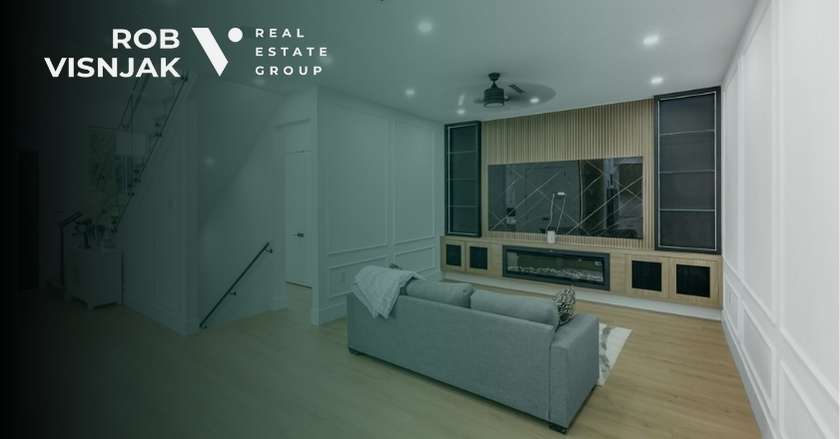
Finally, consider the flow of traffic. In a budget staging scenario, "less is more" is the golden rule for furniture layout. If a room feels tight, remove a piece of furniture entirely. Store it in the garage or sell it. Open pathways make rooms feel airy and accessible, a crucial feature for buyers touring a home. Ensure that no furniture backs block the entrance to a room and that there is a clear, unobstructed path to windows and focal points like fireplaces. This cost-free rearrangement helps the home "breathe" and leaves a lasting impression of spaciousness.
Low-Cost Cosmetic Updates: Paint and Lighting
If you have a small budget to spend, put it toward paint. A fresh coat of paint is widely considered the single best investment for staging a home. Walls that are scuffed, dirty, or painted in bold, personalized colors can turn buyers away instantly. By applying a fresh coat of a modern, neutral hue—such as a soft greige or a warm white—you can obliterate years of wear and tear and make the entire house smell and feel new. In the Fraser Valley market, where natural light can sometimes be scarce, lighter wall colors help bounce light around the room, making spaces feel brighter and larger.
Lighting is the second pillar of budget-friendly cosmetic updates. A dark home feels small and uninviting. Start by cleaning every light fixture and window in the house; dust and grime can significantly dim the output of your lights and block natural sunlight. Next, replace every single lightbulb with the highest wattage the fixture allows, ensuring that all bulbs in a room share the same color temperature (aim for "soft white" or "warm white" rather than harsh "daylight"). This simple swap, costing only a few dollars per room, can instantly modernize a space and make it feel warm and welcoming.
Don't underestimate the power of hardware. Kitchen and bathroom renovations are expensive, but updating the hardware is a cheap DIY project that makes a surprising difference. If your kitchen cabinets are in good shape but have dated brass or oak handles, swapping them for modern matte black or brushed nickel pulls can transform the look of the entire kitchen for under $200. The same applies to faucets; a new, stylish faucet can make an older sink look intentional and well-maintained. These small "jewelry" touches signal to buyers that the home is updated and cared for.
Finally, address the floors. You don't need to install new hardwood to stage effectively. If you have carpets, renting a professional-grade steam cleaner for a weekend is a low-cost way to remove stains and odors, reviving the look of the flooring. For hardwood or tile, a thorough deep clean and polish can restore shine. If you have a damaged section of floor or a particularly worn area, an inexpensive, neutral area rug can be a strategic solution. It anchors the furniture, adds texture and warmth, and conveniently hides imperfections without the cost of a full repair.
Curb Appeal for Pennies
Your home's exterior is the first thing a buyer sees, and you don't get a second chance to make a first impression. Fortunately, boosting curb appeal is often more about elbow grease than cash. Start with a serious cleanup: power wash the siding, the driveway, and the front walkway. You can rent a pressure washer for a day for a minimal fee, and the difference it makes is often dramatic, removing years of moss, dirt, and mildew that are common in our damp BC climate. A clean exterior suggests a well-maintained structure, reducing buyer anxiety about deferred maintenance.
Landscaping doesn't need to be professional to be effective. Simple tasks like mowing the lawn, edging the walkways, and weeding the garden beds are free and essential. To take it a step further on a budget, buy a few bags of dark mulch and spread it fresh over your garden beds. The rich, dark color provides a sharp contrast to the green of your plants and makes the entire yard look professionally manicured. If you have bare spots in the lawn, a bag of grass seed is a cheap fix that pays off if you start a few weeks before listing.
The front entry is a critical focal point. If your front door is looking tired, a quart of exterior paint costs very little and allows you to create a welcoming "pop" of color. Classic choices like charcoal, navy, or even a deep red can add character and sophistication. Polish the door hardware or spray paint it black if it's pitted or dated. Ensure the house numbers are modern and visible; if not, replacing them is a cheap upgrade that adds immediate polish. These small details at the threshold set a positive expectation for what lies inside.
Add life to the porch with a few strategic accessories. You don't need a full patio set; a simple pair of planters with seasonal flowers or greenery flanking the door creates a sense of symmetry and welcome. A brand-new welcome mat is a non-negotiable budget item—it costs less than $30 and is the very first thing a buyer steps on. These elements combine to create an emotional "welcome home" signal that invites buyers to enter with a positive mindset, all for a total investment that can be kept under $100.
Kitchen and Bathroom Revival on a Shoestring
Kitchens and bathrooms sell homes, but they are also the most expensive rooms to renovate. When staging on a budget, the goal is to refresh rather than replace. In the kitchen, the absolute priority is clearing the counters. Remove everything—toaster, blender, knife block, drying rack—leaving only one or two intentional items, like a bowl of lemons or a nice coffee maker. This free step immediately maximizes the perceived counter space. If your cupboards are dated but functional, a deep clean and a treatment with wood revitalizer can bring back their luster without the need for painting or refacing.
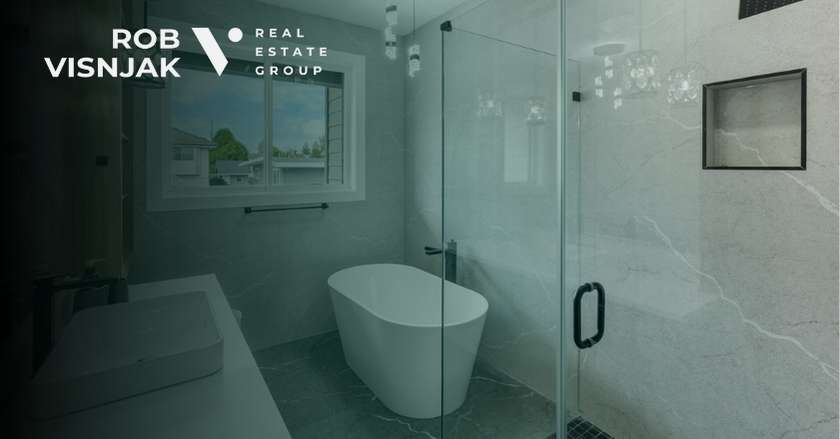
In the bathroom, cleanliness is currency. Buyers are hyper-sensitive to hygiene in these spaces. Scrub the grout until it is pristine; if it's permanently discolored, a grout pen is a cheap tool that can make it look white and new again. Re-caulk the tub and sink if the existing caulk is peeling or mildewed—a tube of caulk costs less than $10 and is a simple DIY job that makes the bathroom look fresh and well-maintained. Replace the shower curtain with a crisp white waffle-weave curtain to evoke a spa-like feel, and put out a set of fresh, never-used white towels for showings.
Mirrors and lighting in bathrooms are often overlooked budget-friendly updates. If you have a builder-grade mirror that is starting to de-silver at the edges, framing it with simple wood molding can be a cheap and stylish fix. Alternatively, replacing a dated vanity light fixture with a modern, inexpensive option from a big-box store can instantly update the room's aesthetic. Ensure the bulbs are bright; bathrooms need to feel clinical in their cleanliness but warm in their ambiance. These small changes prevent buyers from seeing the bathroom as a "gut job" and instead see it as "move-in ready".
Finally, stage these rooms with sensory details that cost little but add a feeling of luxury. In the kitchen, a small pot of fresh herbs on the windowsill adds life and a subtle, fresh scent. In the bathroom, a bar of high-quality soap or a small orchid on the vanity can distract from an older countertop. These "lifestyle" props help buyers envision living in the space and suggest a level of sophistication that elevates the entire home's perceived value. It is about selling a feeling of cleanliness and order, which is the ultimate luxury for many buyers.
Frequently Asked Questions (FAQ)
1. Can I really stage a home with no money?
Yes, absolutely. The most effective staging steps—cleaning, decluttering, and rearranging furniture—cost nothing but time. "Shopping your home" for decor is also free and highly effective.
2. Is it worth painting if I'm selling on a budget?
Painting offers one of the highest returns on investment of any home improvement. A few cans of neutral paint can transform a dark or dated home into a bright, modern space for a few hundred dollars.
3. What are the best colors for staging?
Neutral colors are best. Soft whites, warm greys (greige), and light beiges appeal to the widest range of buyers and make spaces feel larger and brighter.
4. How can I update my kitchen without renovating?
Focus on deep cleaning, clearing counters, updating cabinet hardware (knobs and pulls), and ensuring lighting is bright. These small changes have a big impact.
5. Do I need to replace my carpets?
Not necessarily. Professional steam cleaning can often revive tired carpets. If they are badly stained, inexpensive area rugs can cover the worst spots while adding style.
6. What is the cheapest way to improve curb appeal?
Mowing the lawn, weeding, and power washing the driveway are cheap and effective. Adding fresh mulch and painting the front door are also low-cost, high-impact projects.
7. Should I rent furniture if my house is empty?
If your budget allows, staging key rooms (living, dining, primary bed) is recommended. However, for a strict budget, virtual staging is a much cheaper alternative for online photos.
8. How do I stage a small room to look bigger?
Remove unnecessary furniture, use light colors on walls, keep window treatments minimal to let in light, and use mirrors to reflect space.
9. Does Rob Visnjak Real Estate Group help with budget staging?
Yes, we provide a consultation to help you identify the most impactful, low-cost improvements for your specific home to maximize your sale price.
Conclusion
Staging a home on a budget is not about cutting corners; it is about being strategic with your resources to highlight the true value of your property. By focusing on the fundamentals of cleanliness, light, and space, you can achieve a high-end look without the high-end price tag. The efforts you put into decluttering, painting, and refining your curb appeal are direct investments in your home's equity. These low-cost, high-impact actions remove the barriers that stop buyers from making offers, ensuring that your home stands out as a polished, turnkey opportunity in the crowded Langley and Surrey market.
It is important to remember that buyers are looking for a home they can envision themselves in, not necessarily a brand-new show home. A property that is immaculately clean, free of clutter, and thoughtfully arranged signals to buyers that the home has been loved and well-cared for. This psychological reassurance is often more valuable than granite countertops or expensive furniture. Your sweat equity in preparing the home builds trust and creates an emotional connection, which is the ultimate driver of a successful sale.
While professional staging services are valuable, a dedicated homeowner armed with a plan and a bit of creativity can achieve remarkable results. The key is to remain objective, viewing your home through the lens of a potential buyer, and to prioritize projects that offer the best visual return for your dollar. Every hour spent scrubbing grout or rearranging furniture is an hour spent protecting your investment and working towards a faster, more profitable closing.
At the Rob Visnjak Real Estate Group, we are committed to helping you achieve the best possible outcome for your sale, regardless of your preparation budget. We know the local market intimately and can guide you on exactly which updates will pay off and which can be skipped. If you are ready to sell your home and want expert advice on how to prepare it for maximum value, contact our team today. Let us help you turn your hard work into a sold sign.

Rob Visnjak Personal Real Estate Corp
Team Lead | ROB VISNJAK REAL ESTATE GROUP
or another way