
Published December 22, 2025
How to Prepare a House for Sale Before Hitting the Market


Entering the real estate market is a significant decision, and the preparation phase is arguably the most critical component of a successful sale. Knowing how to prepare a house for sale effectively can be the difference between a swift, lucrative transaction and a property that lingers on the market. In today's competitive landscape, buyers are looking for homes that feel "move-in ready" and well-maintained. A meticulously prepared home not only commands a higher price but also signals to potential buyers that the property has been loved and cared for, reducing their perceived risk.
At the Rob Visnjak Real Estate Group, we understand that selling your home is both a financial and emotional journey. Our mission is to provide you with the expertise and resources needed to navigate this process with confidence. We believe that proper preparation is the foundation of a successful sale. By addressing repairs, decluttering, and staging before the "For Sale" sign goes up, you control the narrative and set the stage for a premium offer. Our team is dedicated to guiding you through every step, ensuring your home is presented in its absolute best light.
This comprehensive guide will walk you through the essential steps of preparing your home for the market. From the initial planning stages to the final touches of curb appeal, we cover everything you need to know to maximize your home's value. We will explore the importance of pre-listing inspections, the art of depersonalizing, and the high-ROI updates that attract serious buyers. Whether you are a first-time seller or a seasoned investor, following this roadmap will help you achieve your selling goals efficiently and profitably.
Key Takeaways
-
Plan Ahead: Start preparing 3-6 months in advance to manage tasks without stress.
-
Declutter to Sell: Removing 50% of your belongings makes your home feel significantly larger.
-
Invest in Repairs: Fixing small issues now prevents buyers from negotiating lower prices later.
-
Light it Up: Maximizing natural and artificial light creates a welcoming atmosphere.
-
Boost Curb Appeal: A clean, inviting exterior sets a positive tone instantly.
Strategic Planning and Professional Guidance
The journey to a successful sale begins long before you list your property. The first and most crucial step is to engage a knowledgeable real estate professional who understands your specific market. A skilled agent will provide a comparative market analysis to help you set a realistic and competitive price. They will also act as your project manager, advising you on which improvements will yield the best return on investment and connecting you with trusted contractors. This early partnership ensures that every dollar and hour you spend preparing your home is strategically targeted to attract the right buyers.
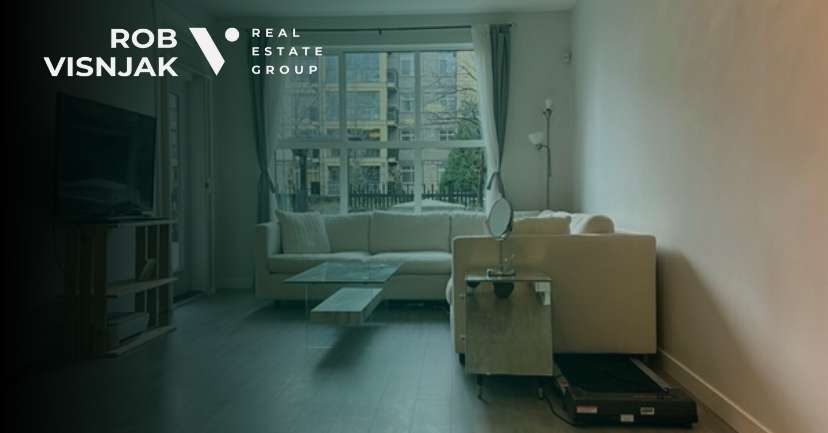
Once you have your team in place, create a detailed timeline for your preparation. Break down the process into manageable phases: decluttering, repairs, cleaning, and staging. This structured approach prevents overwhelm and ensures that critical tasks are not overlooked. It is also the ideal time to gather all necessary documentation, such as property tax records, utility bills, and warranties for major systems. Having these documents organized and ready demonstrates transparency and professionalism, which can significantly speed up the closing process once an offer is accepted.
Finally, consider investing in a pre-listing home inspection. While it may seem counterintuitive to look for problems, discovering hidden issues like a faulty furnace or a roof leak before a buyer does puts you in control. You can choose to repair these issues on your own schedule and budget, or disclose them upfront and price the home accordingly. This transparency builds trust with buyers and eliminates the risk of a deal falling apart during the buyer's inspection phase, ensuring a smoother transaction from start to finish.
The Essential Art of Decluttering and Depersonalizing
One of the most effective ways to increase your home's appeal is also one of the least expensive: decluttering. Buyers are not just buying a house; they are buying space. When a home is filled with personal items, excess furniture, and general clutter, it feels smaller and less functional. To prepare your house for sale, aim to remove at least half of your belongings. Clear off countertops, thin out closets, and organize storage areas. This not only makes your home look larger but also signals that there is ample storage space—a key selling point for many buyers.
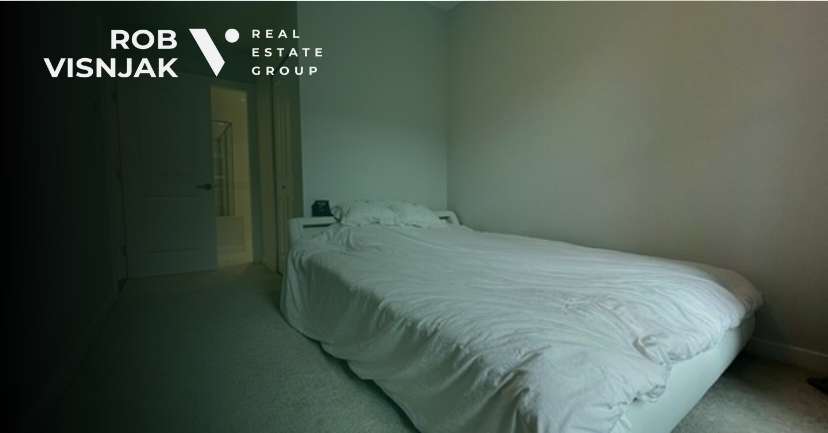
Hand-in-hand with decluttering is the process of depersonalizing. Your goal is to transform your personal sanctuary into a neutral product that appeals to a broad range of buyers. This means packing away family photographs, religious artifacts, and highly specific decor. You want buyers to envision their own families living in the space, which is difficult to do when they are surrounded by reminders of yours. A neutral, depersonalized home allows buyers to mentally "move in," fostering the emotional connection necessary for them to make an offer.
This phase is also an excellent opportunity to get a head start on your own move. By packing up out-of-season clothes, books, and sentimental items now, you are reducing the workload for later. Consider renting a portable storage unit or using an off-site facility to store these items. Keeping the garage and basement clear is essential, as buyers will want to see the full potential of these utility spaces. A clean, open, and organized home feels well-maintained and inviting, setting the stage for a positive viewing experience.
Repairs and Updates That Maximize Value
Buyers in today's market are looking for turnkey properties. They often overestimate the cost of repairs, so leaving minor issues unaddressed can lead to significantly lower offers. Walk through your home with a critical eye and list everything that needs attention. Fix leaky faucets, running toilets, and squeaky doors. Patch holes in the walls, repair cracked tiles, and ensure that all windows open and close smoothly. These small, relatively inexpensive repairs eliminate "friction points" that can cause a buyer to hesitate or question the overall maintenance of the home.

Beyond basic repairs, consider strategic updates that offer a high return on investment. You don't need to embark on a full renovation, but targeted improvements can make a big difference. Painting is widely considered the best ROI project; a fresh coat of neutral paint can instantly modernize a space, cover scuffs, and make the home smell fresh. Updating dated light fixtures and cabinet hardware is another cost-effective way to give your home a facelift. These modern touches suggest that the home is updated and stylish without the price tag of a major remodel.
Don't forget the importance of lighting. A bright home feels larger and more welcoming. Replace burnt-out bulbs with high-wattage, soft-white LEDs to ensure every room is well-lit. Clean windows inside and out to maximize natural light. If a room is naturally dark, consider adding floor lamps or upgrading the overhead fixture. Proper lighting highlights your home's best features and creates a warm, inviting atmosphere that appeals to buyers during showings.
Deep Cleaning and Creating Curb Appeal
Once repairs and decluttering are complete, your home needs a deep, professional-level clean. This is non-negotiable. Every surface should sparkle, from the baseboards to the ceiling fans. Clean the inside of appliances, scrub grout lines, and wash windows. If you have carpets, hire a professional to steam clean them; this removes stains and, crucially, odors. A spotless home communicates to buyers that the property has been meticulously maintained, justifying a higher asking price.
Curb appeal is the buyer's first impression, and it happens before they even step out of the car. To prepare your house for sale, ensure the exterior is pristine. Mow the lawn, trim hedges, and weed garden beds. Power wash the driveway and siding to remove grime and moss. If your front door looks tired, a fresh coat of paint in a welcoming color can make a significant impact. Ensure house numbers are visible and modern. These simple exterior updates signal pride of ownership and invite buyers to see more.
Finally, stage your home to showcase its full potential. You don't always need professional stagers; often, rearranging your existing furniture to create open flow and defined spaces is enough. "Lifestyle staging" involves adding small touches like fresh flowers, a bowl of fruit, or fluffy white towels in the bathroom. These elements create an aspirational feel without adding clutter. By presenting a clean, well-lit, and thoughtfully arranged home, you create an environment where buyers can fall in love.
Frequently Asked Questions (FAQ)
1. How long does it take to prepare a house for sale?
It typically takes 2-6 weeks depending on the condition of the home. Starting early allows for a stress-free process.
2. What is the most important repair to make?
Focus on visible functional issues like leaks, electrical problems, and safety hazards first. Cosmetic updates come second.
3. Should I renovate my kitchen before selling?
Usually, no. Full renovations rarely recoup their cost. Minor updates like painting cabinets or new hardware offer better ROI.
4. Is professional staging worth the cost?
Yes, staged homes often sell faster and for more money. However, DIY staging with decluttering can also be effective on a budget.
5. How much should I declutter?
Aim to remove 50% of your items. If you haven't used it in a year, pack it, sell it, or donate it.
6. Do I need to be home for showings?
No, buyers feel more comfortable exploring and discussing the home honestly when the seller is not present.
7. What paperwork do I need to sell my house?
You'll need property deeds, ID, utility bills, tax records, and warranties for major systems. Your agent will guide you.
8. Can I sell my house "as-is"?
Yes, but expect a lower sale price. Buyers will deduct the estimated cost of repairs and the "hassle factor" from their offer.
Conclusion
Preparing a house for sale is a strategic investment of time and effort that pays dividends at the closing table. By systematically addressing the condition, presentation, and marketing of your home, you position yourself to attract the highest possible offers in the shortest amount of time. The process of planning, decluttering, repairing, and cleaning transforms your personal living space into a highly desirable product that stands out in a crowded market. It is this attention to detail that separates top-dollar sales from average ones.
Remember, you do not have to navigate this journey alone. Professional guidance is invaluable in prioritizing tasks and avoiding costly mistakes. Whether it is deciding on the right list price or determining which repairs are essential, expert advice brings clarity and confidence to the process. If you are ready to maximize your home's potential and achieve a successful sale, we invite you to connect with the Rob Visnjak Real Estate Group today. Let us help you turn your preparation into profit.

Rob Visnjak Personal Real Estate Corp
Team Lead | ROB VISNJAK REAL ESTATE GROUP
or another way