
Published March 22, 2026
Home Appraisal in Langley BC: Process Explained

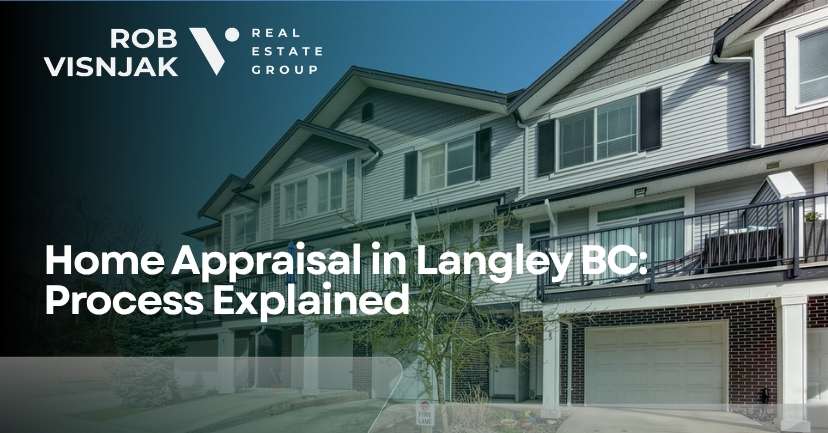
If you are buying, selling, or refinancing a property in the Fraser Valley, understanding the home appraisal process in Langley is essential to a smooth transaction. A professional appraisal provides an objective, unbiased estimate of your property's true market value. Whether you own a modern condo in Willoughby, a family townhome in Walnut Grove, or a sprawling acreage in South Langley, an accurate appraisal protects your financial interests and satisfies lender requirements.
At the Rob Visnjak Real Estate Group, we guide our clients through every step of the real estate journey. We know that the appraisal phase can sometimes feel stressful, especially if you are waiting on the results to finalize a mortgage approval or confirm your listing price. By understanding what appraisers look for and how they operate in the specific Langley market, you can confidently prepare your home and avoid unwelcome surprises.
Key Takeaways
-
Purpose: Appraisals determine fair market value for buying, selling, refinancing, or estate planning.
-
Local Expertise Matters: Appraisers must understand Langley's diverse neighborhoods, from urban centers to rural acreages.
-
Key Factors: Value is based on location, size, condition, features, and recent comparable sales in the area.
-
Lender Requirement: Most banks require an appraisal before approving a mortgage to ensure the property secures the loan amount.
Who Needs a Home Appraisal in Langley?
A home appraisal is not just for sellers; it is a critical requirement in various financial and legal scenarios. The most common reason for an appraisal is securing a mortgage. When you purchase a home, lenders (like major banks or credit unions) require an appraisal to ensure the property's value justifies the loan amount. If a buyer defaults, the lender needs to know they can recoup their money by selling the property.

Homeowners also need appraisals when refinancing their current mortgage to access equity for renovations, debt consolidation, or other investments. Additionally, appraisals are legally necessary for estate planning, dividing assets during a divorce, or determining the value of a property being donated for tax deduction purposes. If you are preparing to sell your home, obtaining an independent appraisal can provide a solid foundation for your pricing strategy, though a Comparative Market Analysis (CMA) from a realtor is often sufficient for listing.
How the Appraisal Process Works
The appraisal process begins when an appraiser is hired, typically by the lender or the homeowner. In Langley, professional appraisers are highly trained to evaluate a wide range of properties, from single-family homes and strata units to multi-family and commercial buildings.
The appraiser will conduct an on-site visit, taking detailed notes and photographs of both the interior and exterior of the home. They will measure the square footage, assess the overall condition of the property, and note any specific features or recent upgrades, such as a renovated kitchen or a new roof. Following the physical inspection, the appraiser researches recent sales of similar homes (comparables or "comps") in your specific Langley neighborhood to gauge current market trends. They synthesize this data into a comprehensive final report that details the property's estimated market value.
What Appraisers Look For
During the inspection, appraisers focus on permanent, structural, and fixed elements rather than your personal decor. They evaluate the age and condition of the home's major systems, including the plumbing, electrical, heating, and roof. The total square footage, number of bedrooms and bathrooms, and the size of the lot are primary drivers of value.
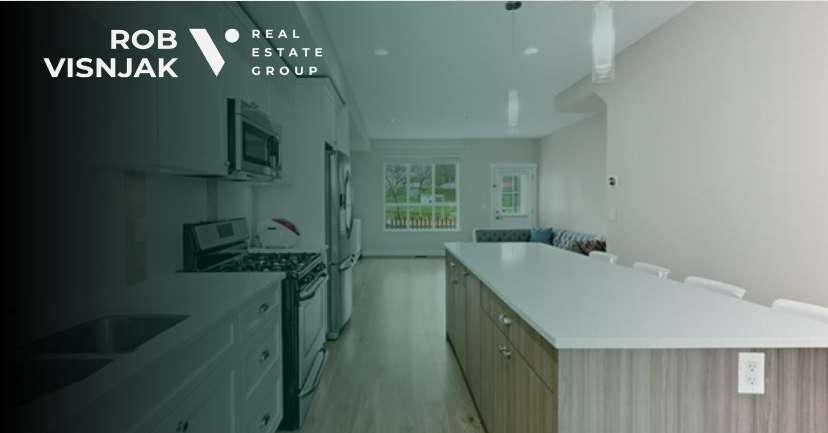
Location is heavily weighted in the appraisal calculation. In Langley, an appraiser will consider proximity to amenities, school catchments, transit access, and neighborhood desirability. They also look for value-adding features like finished basements, legal rental suites, energy-efficient upgrades, or premium outdoor living spaces. Knowing how to increase home value through strategic, permanent improvements can positively influence the final appraisal number.
BC Assessment vs. Bank Appraisals
It is important to understand the difference between your annual BC Assessment and a bank-ordered appraisal. Your BC Assessment is calculated by a provincial authority strictly for municipal property tax purposes and is based on market conditions from July 1 of the previous year. Because the real estate market fluctuates, this tax-assessed value often lags behind current market realities.
A professional bank appraisal, however, is a real-time evaluation of what your home is worth today. Appraisers use up-to-the-minute data on recent neighborhood sales to provide a highly accurate reflection of current market value. Relying on your BC Assessment when buying or selling can lead to significant pricing errors, which is why lenders insist on independent, current appraisals.
Preparing Your Langley Home for an Appraisal
While you cannot change your home's square footage or location, you can take steps to ensure the appraisal goes smoothly. Start by completing any minor repairs you have been putting off, such as fixing leaky faucets, patching drywall, or replacing broken light fixtures. A well-maintained home signals to the appraiser that the property has been cared for.

Ensure the appraiser has easy access to all areas of the home, including the attic, basement, utility rooms, and the exterior perimeter. Provide a written list of any major upgrades or renovations you have completed, including the date of the work and the cost, as this highlights value that might not be immediately obvious. Finally, deep clean and declutter the space; while appraisers are trained to look past messes, a clean, bright home naturally presents better.
Frequently Asked Questions (FAQ)
1. Who pays for the home appraisal?
In a purchase scenario, the buyer typically pays the appraisal fee as part of their closing costs, though it is ordered by the lender. If you are refinancing, the homeowner covers the cost.
2. How much does a home appraisal cost in BC?
Appraisal fees in the Fraser Valley generally range from $300 to $600, depending on the size, complexity, and location of the property.
3. How long does the appraisal process take?
The physical inspection usually takes 30 to 60 minutes. The final written report is typically provided to the lender or client within a few days to a week.
4. What happens if the appraisal comes in lower than the purchase price?
If the appraisal is low, the lender will only finance based on the appraised value. The buyer must cover the shortfall in cash, renegotiate the price with the seller, or walk away if they have a financing subject in place.
5. Can I challenge an appraisal if I disagree with the value?
Yes, you can challenge an appraisal, but you must provide concrete evidence, such as recent comparable sales that the appraiser may have missed, or proof of unnoted significant upgrades.
Conclusion
A professional home appraisal is a vital component of the Langley real estate market, ensuring that properties are fairly valued for buyers, sellers, and lenders alike. By understanding how appraisers evaluate your home's location, condition, and features, you can better prepare your property and navigate the financial aspects of your transaction with confidence.
Whether you are preparing to list your home or require guidance through the purchasing process, the Rob Visnjak Real Estate Group is here to help. We provide expert advice on market values and can connect you with trusted local professionals to ensure your real estate journey is successful. If you have questions about your home's value or the appraisal process, we invite you to connect with us today. Let us help you make informed, strategic decisions in the Fraser Valley market.

Rob Visnjak Personal Real Estate Corp
Team Lead | ROB VISNJAK REAL ESTATE GROUP
or another way