
Published July 5, 2026
Cost of Living in Langley BC: Complete Breakdown

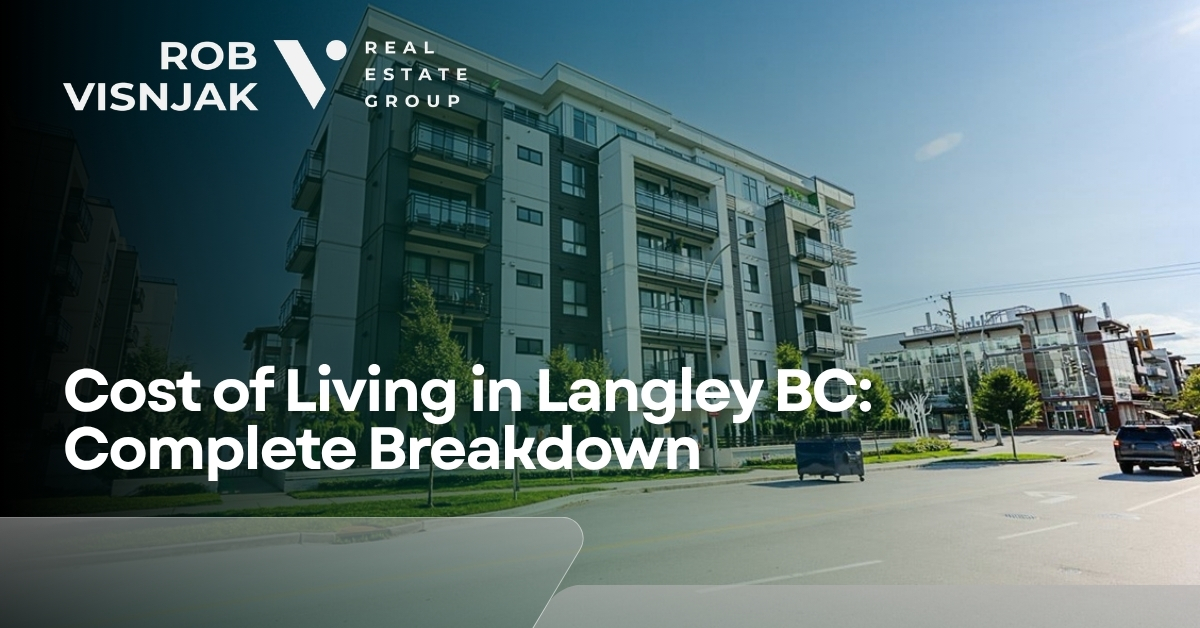
The cost of living in Langley BC is high by Canadian standards, but it remains more attainable than many parts of Metro Vancouver. Housing is the biggest expense by far, followed by transportation, utilities, and groceries.
In 2026, Langley offers more space per dollar than Vancouver or Burnaby, but buyers and renters still need a realistic budget. A condo buyer can often enter the market in the low-to-mid $500,000 range, while townhomes and detached homes are substantially more expensive.
Housing Costs
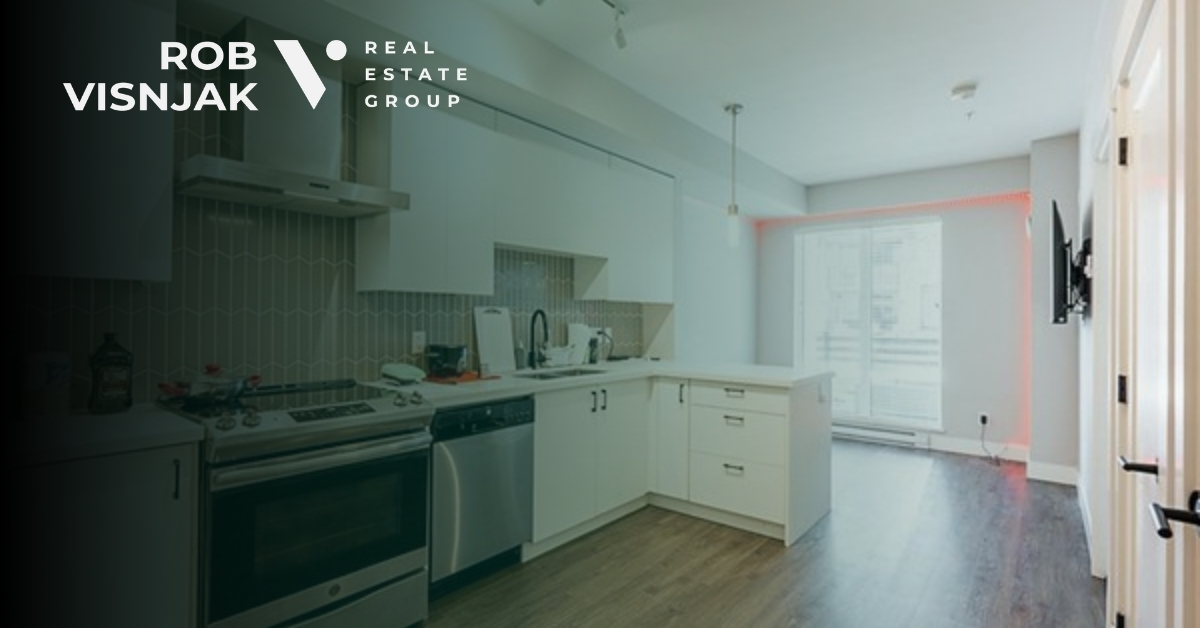
Housing is the main driver of monthly living costs in Langley. Recent 2026 data shows benchmark prices around $553,000 for condos, about $810,300 for townhouses, and roughly $1.5 million for detached homes.
If you are renting, one-bedroom apartments in Langley City are commonly around $1,950 to $2,000 per month, while two- and three-bedroom homes cost much more. Larger family rentals can quickly move into the $2,700 to $3,100 range.
For buyers, monthly housing costs depend on your down payment, interest rate, strata fees, and property taxes. Langley property tax rates are about $3.58 per $1,000 of assessed value, so a home assessed at $800,000 would cost roughly $2,860 per year before utilities.
Monthly Housing Snapshot
|
Housing Item |
Typical 2026 Range |
Notes |
|
1-bed rental |
$1,950 - $2,000 |
Langley City, approx. |
|
3-bed rental |
$2,700 - $3,100 |
Family-sized units |
|
Condo purchase |
$513,000 - $553,000 |
Benchmark and sold-price range |
|
Townhouse purchase |
$810,000 - $825,000 |
Competitive segment |
|
Detached home purchase |
$1.5M+ |
Highest-cost segment |
Utilities and Internet
Utilities in Langley are fairly typical for the Lower Mainland, but they rise quickly in larger homes. For an average apartment, monthly costs for electricity, heating, water, and garbage usually land around $220 to $240, while total household utilities often fall between $350 and $400 once internet and phone are included.
Internet service generally runs about $78 to $115 per month depending on speed and provider. Mobile phone plans average another $50 to $60 monthly, so a two-person household can easily spend $400 or more each month on basic communication and utility services.
Transportation Costs
Langley is still very car-dependent, so transportation is a meaningful part of the budget. A Zone 2 monthly TransLink pass is about $105, while gas prices commonly sit around $1.67 per litre. If you drive daily, insurance and fuel can easily outpace transit costs.
Most residents rely on one or two vehicles, especially if they live in Willoughby, Walnut Grove, Murrayville, or Aldergrove. Until the Surrey-Langley SkyTrain extension opens in 2028 or 2029, commuting without a car is still difficult for many households.
Food and Groceries
Grocery prices in Langley are close to the Metro Vancouver average. A litre of milk is around $2.47, eggs are roughly $5.50 to $6.60 per dozen, and chicken breast costs about $16 to $22 per kilogram depending on the store.
Dining out adds up quickly as well. A casual meal for one is often $20 to $30, while a mid-range dinner for two can cost about $100 once drinks and tax are included. Families that eat out frequently should build that into their monthly budget instead of treating it as an occasional luxury.
Total Monthly Budget Examples
Your total cost of living depends heavily on household size and whether you rent or own. A single renter can live in Langley on a modest budget, but a family buying a townhouse or detached home needs much more income to stay comfortable.
|
Household Type |
Estimated Monthly Cost |
What Is Included |
|
Single renter |
$2,500 - $3,300 |
Rent, utilities, transit, groceries |
|
Couple renting |
$3,800 - $5,000 |
Rent, utilities, car, food, insurance |
|
Couple owning condo |
$4,000 - $5,500+ |
Mortgage, strata, taxes, utilities |
|
Family owning townhouse |
$5,500 - $8,000+ |
Mortgage, strata, car, food, childcare |
Who Langley Works For
Langley works especially well for buyers who want more space, newer homes, and a quieter lifestyle than central Vancouver offers. It is also a strong fit for families who value schools, parks, and community-oriented neighborhoods.
The trade-off is clear: you will likely spend more on transportation and housing than you expect if you compare Langley only to smaller Canadian cities. But compared with Vancouver proper, the value proposition is still strong, especially if you want a home with a garage, a yard, or a bigger floor plan.

Conclusion
The cost of living in Langley BC is not cheap, but it is often better value than the inner suburbs when you look at square footage, lifestyle, and long-term livability. Housing is the biggest expense, transportation is the next major factor, and day-to-day spending on food and utilities is very similar to the rest of Metro Vancouver.
If you are planning a move, compare not just the listing price but the full carrying cost of the home. A local realtor can help you estimate mortgage payments, strata fees, and total monthly affordability before you commit.
For more help with buying or relocating, start with Langley listings, or connect with Rob Visnjak Real Estate Group.
FAQ: Langley Cost of Living
Is Langley BC expensive to live in?
Yes, especially for housing. It is still generally more affordable than Vancouver, but costs have risen enough that buyers and renters need to budget carefully.
How much do you need to live in Langley as a single person?
A single renter should expect roughly $2,500 to $3,300 per month, depending on rent, transportation, and lifestyle choices.
What is the cheapest type of housing in Langley?
Condos are the lowest-cost ownership option. They usually have the smallest down payment requirements and the lowest entry price, though strata fees add to monthly costs.
Are groceries expensive in Langley?
Groceries are similar to the rest of Metro Vancouver, so they are not cheap, but they are not dramatically higher than nearby cities.
Will SkyTrain make Langley cheaper to live in?
Not in the short term. Better transit usually improves demand, which can support or increase prices near stations over time.

Rob Visnjak Personal Real Estate Corp
Team Lead | ROB VISNJAK REAL ESTATE GROUP
or another way